Swallowing Difficulties in Elderly Parents: Recognizing and Managing Dysphagia
Your parent coughs every time they drink water. Food seems to stick in their throat. Meals that used to take 20 minutes now take an hour. These aren't just signs of aging, they're warning signs of dysphagia, a swallowing disorder that affects up to 15% of elderly adults and can lead to serious, even life-threatening complications.
Swallowing difficulties in elderly parents often go undiagnosed because families don't recognize the signs, or parents are embarrassed to admit they're struggling. But untreated dysphagia can lead to aspiration pneumonia, malnutrition, dehydration, and a significantly reduced quality of life.
Call 911 if your parent is choking and cannot breathe, cough, or speak. Signs of aspiration pneumonia requiring immediate medical attention include: fever with productive cough, difficulty breathing, confusion, and chest pain.
Warning Signs of Swallowing Problems
Dysphagia often develops gradually, and many signs are subtle. Watch for these indicators:
During and After Eating
- Coughing or choking while eating or drinking (especially with thin liquids)
- A wet, gurgly voice after eating or drinking
- Food remaining in the mouth after swallowing
- Drooling or difficulty controlling saliva
- Needing multiple swallows to clear one bite
- Taking much longer to finish meals than before
- Avoiding certain foods they used to enjoy
- Sensation of food "sticking" in throat or chest
General Warning Signs
- Unexplained weight loss
- Recurrent respiratory infections or pneumonia
- Avoiding eating with others (embarrassment)
- Decreased appetite or refusing to eat
- Dehydration (dark urine, dry mouth, fatigue)
- New or worsening heartburn
Some elderly people aspirate (food or liquid enters the lungs) without any coughing or obvious signs. This "silent aspiration" is particularly dangerous because it goes unnoticed until pneumonia develops. If your parent has had repeated pneumonias with no clear cause, request a swallowing evaluation.
The equipment that changes the most
Most of what caregiving costs is time. These four are the purchases that reliably buy some of it back, and they are the ones families tell us they wish they had bought sooner.
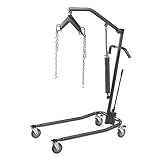 Drive Medical Hydraulic Patient Lift
A full lift is what makes one person able to manage a transfer alone. It is the single purchase that most often delays a move into residential care.
Check price on Amazon →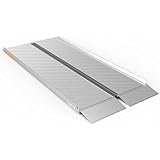 EZ-ACCESS Singlefold Wheelchair Ramp, 6 ft
Folds like a suitcase and carries in a car boot, so the same ramp handles the front step at home and the kerb at an appointment.
Check price on Amazon → Drive Medical Nitro Rollator with Seat
The seat matters more than the wheels. Being able to stop and rest is what decides whether someone still goes out at all.
Check price on Amazon → Vive Stand Assist Rail for Couch or Chair
Getting out of a low sofa is where most falls at home start. This is the cheapest thing on the list and often the first one needed.
Check price on Amazon →As an Amazon Associate we earn from qualifying purchases, at no extra cost to you. Researched guidance, not medical advice. Prices change, so check before buying.
What Causes Swallowing Difficulties?
Understanding the cause helps determine the best treatment approach:
Neurological Conditions
- Stroke: The most common cause; often improves with therapy
- Parkinson's disease: Affects muscle coordination for swallowing
- Dementia: May forget how to swallow or not recognize food
- ALS (Lou Gehrig's disease): Progressive muscle weakness
- Multiple sclerosis: Nerve damage affecting swallowing
Structural Problems
- Esophageal stricture: Narrowing of the esophagus
- Esophageal cancer: Tumor blocking food passage
- Zenker's diverticulum: Pouch in the throat that traps food
- GERD damage: Chronic acid reflux scarring
Age-Related Changes
- Weakened swallowing muscles
- Decreased saliva production (especially from medications)
- Reduced sensation in the mouth and throat
- Denture problems affecting chewing
- Neck arthritis limiting head positioning
Getting a Proper Diagnosis
Don't guess about swallowing problems. A proper evaluation is essential for safe management:
Swallowing Evaluations
Clinical Bedside Evaluation
A speech-language pathologist (SLP) observes your parent eating and drinking different consistencies. Quick, non-invasive, good screening tool, but can miss silent aspiration.
Modified Barium Swallow Study (MBSS)
Your parent swallows food and liquid mixed with barium while X-ray video records the swallow. Shows exactly where problems occur and whether aspiration happens. The gold standard for diagnosis.
FEES (Fiberoptic Endoscopic Evaluation)
A thin scope is passed through the nose to view the throat during swallowing. Can be done at bedside, sees structure clearly, but misses the moment of the swallow itself.
If you notice swallowing problems, ask your parent's doctor for a referral to a speech-language pathologist (SLP) who specializes in swallowing disorders. They can evaluate, diagnose, and create a treatment plan. Most insurance, including Medicare, covers this evaluation.
Texture-Modified Diets: The IDDSI Framework
The International Dysphagia Diet Standardisation Initiative (IDDSI) provides standardized food and drink textures for safe swallowing. Your parent's SLP will recommend specific levels:
Drink Thickness Levels
Regular Liquids
Water, coffee, tea, juice, milk. May need thickening if aspiration occurs.
Nectar-Like
Thicker than water but still drinkable. Examples: buttermilk, some smoothies. Flows quickly but slower than water.
Nectar-Thick
Pours slowly. Easier to control in the mouth. Common starting point for dysphagia management.
Honey-Like
Can be drunk from a cup but flows slowly. Cannot be drunk through a straw.
Pudding-Like
Cannot be drunk, must be eaten with a spoon. Holds its shape.
Food Texture Levels
Smooth, No Lumps
Pudding-consistency. No chewing required. Examples: smooth mashed potatoes, puréed soups, yogurt.
Small Soft Pieces
Pieces no larger than 4mm (the width of fork tines). Minimal chewing needed. Very moist.
Tender, Easy to Chew
Pieces no larger than 1.5cm. Can be mashed with a fork. Requires some chewing.
Normal Diet
All textures, any method of preparation. Full chewing ability required.
Never change your parent's diet texture without guidance from their speech therapist. Using the wrong texture, either too thick or too thin, can increase aspiration risk. What works for one person with dysphagia may be dangerous for another.
Thickening Liquids Safely
If your parent needs thickened liquids, there are several options:
Commercial Thickeners
- Starch-based thickeners: Affordable, may thin over time, can alter taste (examples: Thick-It, ThickenUp)
- Xanthan gum-based thickeners: More stable, less taste change, more expensive (examples: Thick-It Clear Advantage, Simply Thick)
- Pre-thickened products: Ready-to-use thickened water, juice, and coffee, convenient but costly
- Always follow package instructions, too much thickener makes drinks unpleasant
- Mix thickener into liquid slowly to prevent lumps
- Let it sit 1-2 minutes to reach full thickness
- Starch thickeners may continue thickening; check consistency before serving
- Hot drinks may need more thickener than cold drinks
Safe Feeding Techniques
How you help your parent eat is as important as what they eat:
Positioning
- Sit fully upright at 90 degrees, never reclined while eating
- Chin tuck: Slight chin-down position may be recommended
- Stay upright 30-60 minutes after eating to prevent reflux
- If bed-bound, use pillows to achieve as upright a position as possible
During the Meal
✓ Do This
- Give small bites (half a teaspoon to start)
- Wait for complete swallow before next bite
- Offer sips between bites to clear the throat
- Provide meals in quiet, calm environments
- Allow plenty of time, never rush
- Keep them alert and focused on eating
- Use adaptive utensils if helpful
✗ Avoid This
- Talking while eating (distraction)
- TV or other distractions during meals
- Using straws (unless SLP approved)
- Mixing textures (soup with crackers)
- Giving thin liquids if not safe
- Forcing them to eat if fatigued
- Lying down right after eating
Signs to Stop Eating Immediately
- Persistent coughing or choking
- Wet, gurgly voice during eating
- Food or liquid coming from nose
- Color changes (pale, red, blue)
- Extreme fatigue during the meal
- Refusal to continue
Making Food Appealing
Modified-texture food doesn't have to be unappetizing. With effort, meals can still be enjoyable:
For Puréed Diets
- Purée each food separately: don't mix everything together
- Use food molds to shape puréed food attractively
- Add bright garnishes like herb sprigs or sauce drizzles
- Maintain familiar flavors: season well, use their favorite spices
- Consider commercial shaped foods (puréed food shaped like the original)
Ensuring Adequate Nutrition
- Add protein powders to purées
- Enrich foods with butter, cream, olive oil for calories
- Offer fortified shakes if approved by SLP
- Serve smaller, more frequent meals if fatigue is an issue
- Work with a registered dietitian for nutritional adequacy
Eating is social, emotional, and deeply connected to quality of life. Even with severe dysphagia, there may be safe treats they can still enjoy, ask the SLP about safe indulgences. A tiny taste of a favorite food, if safe, can mean everything.
Treatment and Therapy Options
Dysphagia treatment depends on the cause and severity:
Swallowing Therapy
A speech-language pathologist can teach exercises and techniques to strengthen swallowing muscles and improve coordination. This may include:
- Strengthening exercises for tongue, lips, and throat
- Compensatory techniques (head positioning, double swallowing)
- Sensory stimulation to improve swallow triggering
- VitalStim/NMES: Electrical stimulation to strengthen muscles
Medical Treatments
- Botox injections for certain esophageal conditions
- Esophageal dilation for strictures
- GERD treatment if reflux is contributing
- Medication adjustments if dry mouth is an issue
When a Feeding Tube May Be Considered
In severe cases where oral feeding is unsafe or inadequate, feeding tubes may be discussed:
- NG tube: Through nose, short-term option
- G-tube/PEG: Surgically placed in stomach, for longer-term use
In advanced dementia or terminal illness, feeding tubes rarely improve quality of life and can increase discomfort. This is a deeply personal decision that should involve your parent's wishes (ideally stated in advance directives), their doctor, and often palliative care input. There is no "right" answer.
Managing Hydration
Dehydration is common with dysphagia because people avoid drinking when it's difficult. Strategies to maintain hydration:
- Offer thickened fluids frequently throughout the day
- Include high-moisture foods (pudding, watermelon, soup)
- Consider thickened water at room temperature (often easier)
- Use medication reminder apps for fluid intake
- Watch for dehydration signs: dark urine, confusion, fatigue
- Discuss subcutaneous fluids with their doctor if oral intake is insufficient
Managing Medications
Many older adults take multiple pills, which can be challenging with dysphagia:
- Ask pharmacist about alternatives: Liquid, dissolvable, or patch forms may be available
- Pill crushing: Some pills can be crushed and mixed with applesauce, but NOT all (ask pharmacist first; some are dangerous if crushed)
- Pill swallowing techniques: Pop-bottle method, lean-forward method (ask SLP)
- One pill at a time with adequate thickened liquid
- Medication review: Ask doctor if any medications can be discontinued
Some medications, especially extended-release (ER, XR), enteric-coated, or certain capsules, should never be crushed. This can cause dangerous overdose, reduced effectiveness, or GI damage. Always verify with a pharmacist before crushing any medication.
Preventing Aspiration Pneumonia
Aspiration pneumonia is the most serious complication of dysphagia. Prevention strategies:
- Follow diet recommendations exactly: no "just a sip" of thin liquid
- Excellent oral hygiene: Brush teeth and clean dentures twice daily to reduce bacteria
- Upright positioning during and 30-60 minutes after meals
- Avoid eating when drowsy or after sedating medications
- Oral care before bed to reduce overnight aspiration of bacteria
- Report any fever or breathing changes promptly
Get the Care Coordination Binder
Track your parent's diet modifications, fluid intake, and swallowing therapy progress with our comprehensive care binder. Stay organized and keep all their caregivers informed.
Get Organized TodayWorking with Care Teams
Managing dysphagia requires communication across all caregivers:
- Document the diet level in writing and post in the kitchen
- Teach all caregivers the safe feeding techniques
- Inform restaurants about texture requirements when dining out
- Update care facility staff about any changes from SLP evaluations
- Keep a feeding log to track what works and what causes problems
Emotional Impact on Your Parent
Eating is pleasure, tradition, and social connection. Dysphagia takes that away. Your parent may experience:
- Grief over foods they can no longer eat safely
- Embarrassment about modified textures or slow eating
- Social isolation, avoiding meals with others
- Depression and loss of interest in eating
- Frustration, especially if cognitive abilities are intact
How to Help
- Eat the same meal (or similar) with them to maintain normalcy
- Focus on flavors they can still enjoy
- Create pleasant mealtime environments
- Acknowledge their losses, don't minimize
- Involve them in meal planning when possible
- Consider support groups for people with dysphagia
Key Takeaways
- Get evaluated: don't guess about swallowing safety
- Follow diet recommendations exactly: no shortcuts
- Positioning matters: always upright during and after meals
- Watch for pneumonia signs: fever plus cough needs immediate attention
- Oral hygiene is critical: reduces aspiration pneumonia risk
- Hydration requires effort: thickened liquids still count
- Therapy can help: swallowing exercises may improve function
Dysphagia is manageable with proper diagnosis, diet modification, and care techniques. While it requires adjustment and vigilance, many families find a new normal that keeps their parent safe while maintaining quality of life around meals.
Related Guides
Products that help with swallowing difficulties
We independently research every recommendation. As an Amazon Associate we earn from qualifying purchases, at no extra cost to you. Disclosure.
- Adaptive Utensils & Eating Aids →Weighted, easy-grip cutlery and no-spill cups for safer meals.