Thyroid Problems in Elderly Parents: The Great Masquerader
Your parent seems more tired than usual, their thinking is foggy, they're gaining weight for no reason, or maybe they're anxious, losing weight, and can't sleep. These symptoms might be dismissed as depression, dementia, or "just getting older." But they could all be caused by a malfunctioning thyroid gland.
Thyroid disease affects about 20% of people over 60, yet it's frequently missed because symptoms in elderly often differ from classic presentations. A simple blood test can identify thyroid problems, and treatment can dramatically improve quality of life.
Thyroid disease has been called the great masquerader because it can mimic so many other conditions, depression, dementia, heart disease, and normal aging. In elderly patients, the symptoms are often subtle or atypical, making diagnosis easy to miss.
What Does the Thyroid Do?
The thyroid is a butterfly-shaped gland in the front of the neck that produces hormones (T4 and T3) that regulate metabolism, how the body uses energy. These hormones affect nearly every organ system:
- Heart rate and strength
- Body temperature
- Digestion and bowel function
- Brain function and mood
- Energy levels
- Weight
- Cholesterol levels
- Bone health
When the thyroid produces too little hormone (hypothyroidism), everything slows down. When it produces too much (hyperthyroidism), everything speeds up.
The equipment that changes the most
Most of what caregiving costs is time. These four are the purchases that reliably buy some of it back, and they are the ones families tell us they wish they had bought sooner.
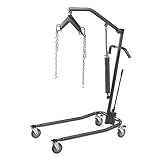 Drive Medical Hydraulic Patient Lift
A full lift is what makes one person able to manage a transfer alone. It is the single purchase that most often delays a move into residential care.
Check price on Amazon →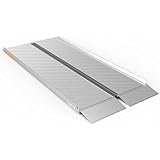 EZ-ACCESS Singlefold Wheelchair Ramp, 6 ft
Folds like a suitcase and carries in a car boot, so the same ramp handles the front step at home and the kerb at an appointment.
Check price on Amazon → Drive Medical Nitro Rollator with Seat
The seat matters more than the wheels. Being able to stop and rest is what decides whether someone still goes out at all.
Check price on Amazon → Vive Stand Assist Rail for Couch or Chair
Getting out of a low sofa is where most falls at home start. This is the cheapest thing on the list and often the first one needed.
Check price on Amazon →As an Amazon Associate we earn from qualifying purchases, at no extra cost to you. Researched guidance, not medical advice. Prices change, so check before buying.
Hypothyroidism: The Underactive Thyroid
Hypothyroidism is the most common thyroid problem in elderly, affecting about 10% of women and 6% of men over 60.
Classic Symptoms
- Fatigue and weakness
- Weight gain or difficulty losing weight
- Feeling cold when others are comfortable
- Constipation
- Dry skin and hair
- Muscle aches
- Slow heart rate
- Depression
- Memory problems
In Elderly: Often Different
- Fewer classic symptoms, may have only 1-2
- Cognitive changes: Memory problems, slowed thinking, "dementia-like" symptoms
- Depression: May be the only obvious symptom
- Falls and unsteadiness: From muscle weakness
- Heart failure worsening: Fluid retention, swelling
- Elevated cholesterol that doesn't respond to treatment
Severely undertreated hypothyroidism can cause memory problems, confusion, and cognitive slowing that looks like dementia. These symptoms are often reversible with thyroid treatment. Always check thyroid function in elderly patients with new cognitive symptoms.
Causes of Hypothyroidism
- Hashimoto's thyroiditis: Autoimmune destruction of the thyroid
- Previous thyroid treatment: Radioactive iodine, surgery
- Medications: Amiodarone, lithium, some cancer drugs
- Iodine deficiency: Rare in developed countries
- Pituitary problems: The gland that controls the thyroid
Hyperthyroidism: The Overactive Thyroid
Hyperthyroidism is less common but potentially more dangerous in elderly, especially for the heart.
Classic Symptoms
- Weight loss despite good appetite
- Rapid or irregular heartbeat
- Anxiety and nervousness
- Tremor
- Sweating and heat intolerance
- Frequent bowel movements
- Insomnia
- Irritability
In Elderly: "Apathetic Hyperthyroidism"
- May lack classic symptoms entirely
- Fatigue and weakness: Paradoxically similar to hypothyroidism
- Weight loss without explanation
- Depression or apathy: Rather than anxiety
- AFib or rapid heart rate: May be the main clue
- Worsening heart failure
- Muscle weakness
Untreated hyperthyroidism in elderly significantly increases risk of AFib, heart failure, and stroke. If your parent has new-onset irregular heartbeat or unexplained weight loss, thyroid testing is essential.
Causes of Hyperthyroidism
- Graves' disease: Autoimmune stimulation of the thyroid
- Toxic nodular goiter: Nodules that produce excess hormone (common in elderly)
- Thyroiditis: Inflammation releasing stored hormone
- Excessive thyroid medication: Overtreatment of hypothyroidism
- Iodine exposure: CT contrast, amiodarone
Comparing Symptoms
Hypothyroidism (Underactive)
- Fatigue, weakness
- Weight gain
- Feeling cold
- Constipation
- Slow heart rate
- Depression
- Dry skin, hair loss
- Cognitive slowing
- Elevated cholesterol
- Muscle aches
Hyperthyroidism (Overactive)
- Fatigue (in elderly)
- Weight loss
- Feeling hot, sweating
- Frequent bowel movements
- Rapid/irregular heartbeat
- Anxiety (or apathy in elderly)
- Tremor
- Insomnia
- Muscle weakness
- Bone loss
Diagnosis
Blood Tests
- TSH (Thyroid Stimulating Hormone): Most important screening test
- High TSH = hypothyroidism (thyroid is underactive, brain is telling it to work harder)
- Low TSH = hyperthyroidism (thyroid is overactive, brain is telling it to slow down)
- Free T4: The actual thyroid hormone level
- Free T3: Another thyroid hormone; sometimes useful
- Thyroid antibodies: If autoimmune disease suspected
Subclinical Thyroid Disease
Sometimes TSH is abnormal but T4 is normal. This is called subclinical disease:
- Subclinical hypothyroidism: High TSH, normal T4. May or may not need treatment in elderly.
- Subclinical hyperthyroidism: Low TSH, normal T4. Often does need treatment in elderly due to heart and bone risks.
Many guidelines recommend screening for thyroid disease in adults over 60, especially women. If your parent has never had thyroid testing or has symptoms that could be thyroid-related, ask the doctor to check TSH.
Treatment
Hypothyroidism Treatment
- Levothyroxine (Synthroid, Levoxyl): Synthetic T4 hormone taken daily
- Start low, go slow: Especially in elderly and those with heart disease, starting too high can stress the heart
- Take on empty stomach: 30-60 minutes before breakfast for best absorption
- Consistency matters: Take same time daily, same brand
- Avoid with calcium and iron: Separate by 4 hours
- Lifelong treatment: Usually needed forever
- Monitoring: TSH checked every 6-8 weeks until stable, then annually
Thyroid hormone dosing is precise. If your parent switches between generic and brand (or different generics), small variations can matter. Either stick with one consistent formulation or monitor closely when switching.
Hyperthyroidism Treatment
- Antithyroid medications: Methimazole (preferred) or propylthiouracil; reduce hormone production
- Radioactive iodine: Destroys overactive thyroid tissue; often results in hypothyroidism requiring levothyroxine
- Beta-blockers: Control symptoms (rapid heart rate, tremor) while other treatments work
- Surgery: Rarely needed in elderly
Special Considerations for Elderly
Medication Interactions
Many medications affect thyroid hormone absorption or levels:
- Calcium and iron supplements: Reduce levothyroxine absorption
- Antacids and PPIs: May affect absorption
- Amiodarone: Can cause both hypo- and hyperthyroidism
- Lithium: Can cause hypothyroidism
- Biotin supplements: Can interfere with thyroid test results
Heart Considerations
- Both over- and under-treatment can affect the heart
- In elderly with heart disease, start levothyroxine at low doses
- Hyperthyroidism should be treated promptly to prevent AFib
- Monitor for chest pain, palpitations when adjusting treatment
Bone Health
- Excessive thyroid hormone (from over-treatment or hyperthyroidism) increases bone loss
- Particularly important in elderly women already at osteoporosis risk
- TSH should not be suppressed too low unless necessary
Living with Thyroid Disease
Medication Management
- Take levothyroxine at the same time daily, morning is typical
- Don't skip doses; don't double up if missed
- Keep prescriptions current, don't run out
- Report symptoms of under- or over-treatment to doctor
- Get regular blood tests as recommended
When to Call the Doctor
- Significant increase in fatigue or weight
- Rapid heartbeat or palpitations
- Chest pain
- Significant mood changes
- New tremor or muscle weakness
- Any concerning new symptoms
Track Medications and Lab Results
Our Care Coordination Binder helps you keep thyroid medication schedules and lab results organized, essential for managing chronic conditions.
Get OrganizedKey Takeaways
- Thyroid disease is common in elderly: affects 20% of those over 60
- Symptoms often differ from classic presentations: may look like aging, depression, or dementia
- A simple blood test (TSH) can diagnose: ask the doctor to check if symptoms are present
- Treatment is effective: thyroid hormone replacement or antithyroid medications work well
- Consistency with medication is key: same time, same formulation, empty stomach
- Heart effects are important in elderly: both hypo and hyper affect the heart
- Regular monitoring is needed: TSH levels should be checked periodically
Thyroid disease is one of the most treatable conditions affecting elderly patients, yet it's frequently missed because symptoms are attributed to aging. If your parent is experiencing fatigue, cognitive changes, weight shifts, or mood problems, consider asking about thyroid testing. Treatment can be life-changing.