Medicare enrollment seems straightforward until you realize the rules are complicated, deadlines are strict, and mistakes can result in permanent penalties. If your parent is approaching 65 or becoming eligible for Medicare, understanding the enrollment process is essential.
Missing Medicare enrollment deadlines can result in permanent premium increases. A 12-month delay in Part B enrollment means a 10% higher premium for life. Don't wait until the last minute to understand the process.
The Parts of Medicare
Before understanding enrollment, know what you're enrolling in:
| Part | What It Covers | Enrollment |
|---|---|---|
| Part A | Hospital stays, skilled nursing, hospice | Usually automatic; premium-free for most |
| Part B | Doctor visits, outpatient care, preventive services | Must enroll; monthly premium |
| Part C | Medicare Advantage plans (alternative to Original Medicare) | Optional; replaces Parts A & B |
| Part D | Prescription drug coverage | Optional but recommended; penalties for late enrollment |
The equipment that changes the most
Most of what caregiving costs is time. These four are the purchases that reliably buy some of it back, and they are the ones families tell us they wish they had bought sooner.
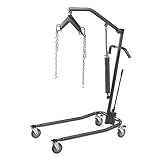 Drive Medical Hydraulic Patient Lift
A full lift is what makes one person able to manage a transfer alone. It is the single purchase that most often delays a move into residential care.
Check price on Amazon →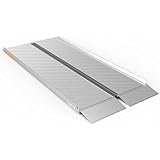 EZ-ACCESS Singlefold Wheelchair Ramp, 6 ft
Folds like a suitcase and carries in a car boot, so the same ramp handles the front step at home and the kerb at an appointment.
Check price on Amazon → Drive Medical Nitro Rollator with Seat
The seat matters more than the wheels. Being able to stop and rest is what decides whether someone still goes out at all.
Check price on Amazon → Vive Stand Assist Rail for Couch or Chair
Getting out of a low sofa is where most falls at home start. This is the cheapest thing on the list and often the first one needed.
Check price on Amazon →As an Amazon Associate we earn from qualifying purchases, at no extra cost to you. Researched guidance, not medical advice. Prices change, so check before buying.
Initial Enrollment Period (IEP)
When your parent first becomes eligible for Medicare, they have a 7-month window to enroll:
- Starts: 3 months before the month they turn 65
- Includes: The month they turn 65
- Ends: 3 months after the month they turn 65
When Coverage Begins
- Enroll in the 3 months before birthday → Coverage starts 1st of birthday month
- Enroll during birthday month → Coverage starts 1st of following month
- Enroll in 3 months after birthday → Coverage delayed 1-3 months
If your parent is already receiving Social Security benefits at 65, they'll be automatically enrolled in Parts A and B. They'll receive their Medicare card about 3 months before their 65th birthday. They can decline Part B if they have other coverage.
General Enrollment Period (GEP)
If your parent missed their Initial Enrollment Period, they can enroll during the General Enrollment Period:
- When: January 1 - March 31 each year
- Coverage begins: July 1 of that year
- Penalties: Late enrollment penalties apply
Part B: 10% higher premiums for each 12-month period they could have had Part B but didn't, for life. Part D: 1% of the national base premium × number of months without coverage, for life. These add up fast.
Special Enrollment Period (SEP)
Some situations trigger a Special Enrollment Period that allows enrollment outside regular periods:
Employer Coverage
If your parent (or their spouse) is still working and has employer coverage:
- They can delay Part B without penalty while covered by employer plan
- When employer coverage ends, they have 8 months to enroll in Part B
- COBRA and retiree health plans do NOT count as employer coverage for this purpose
Other Special Circumstances
- Moving to a new area (affects plan availability)
- Losing Medicaid or employer coverage
- Moving into or out of a nursing home
- Plan violations or closures
- Qualifying for Extra Help (low-income assistance)
Medicare Advantage Enrollment
Medicare Advantage (Part C) has its own enrollment periods:
Annual Enrollment Period (AEP)
- When: October 15 - December 7 each year
- What you can do: Switch from Original Medicare to Advantage, switch Advantage plans, or return to Original Medicare
- Coverage begins: January 1
Medicare Advantage Open Enrollment Period
- When: January 1 - March 31 each year
- What you can do: Switch Advantage plans or return to Original Medicare
- Coverage begins: First of the following month
Part D Enrollment
Part D (prescription drug coverage) follows similar rules:
- Initial Enrollment Period: Same 7-month window around 65th birthday
- Annual Enrollment Period: October 15 - December 7
- Late Enrollment Penalty: 1% of national base premium × months without coverage, added to your premium permanently
You can delay Part D without penalty if you have other "creditable" drug coverage (coverage at least as good as Medicare's). This includes most employer plans. Ask your employer for a "certificate of creditable coverage" in writing.
Medigap Enrollment
Medigap (Medicare Supplement) plans have a critical enrollment period:
- Open Enrollment Period: 6 months, starting when you're 65+ AND enrolled in Part B
- During this window: Insurers cannot deny coverage or charge more due to health conditions
- After this window: Insurers can deny coverage or charge higher premiums based on health
The 6-month Medigap Open Enrollment Period is your one guaranteed opportunity to get Medigap coverage regardless of health. Miss it, and you may not be able to get a policy, or may pay significantly more.
How to Enroll
Parts A and B
- Online: ssa.gov (Social Security website)
- Phone: 1-800-772-1213 (Social Security)
- In person: Local Social Security office
Part C (Medicare Advantage) and Part D
- Medicare.gov: Use the Plan Finder tool to compare and enroll
- Phone: 1-800-MEDICARE (1-800-633-4227)
- Insurance agent or broker: Can help compare plans
- Directly with the plan: Contact the insurance company
Medigap
- Contact insurance companies directly
- Use an insurance agent who sells Medigap
- Compare plans at Medicare.gov's Medigap policy search
Common Mistakes to Avoid
- Assuming employer coverage allows indefinite delay: Only works if actively working (not COBRA or retiree coverage)
- Missing the Medigap window: Guaranteed issue only during the 6-month open enrollment
- Forgetting Part D: Even if you don't take medications now, the penalty grows every month
- Relying on default automatic enrollment: Review and make active choices
- Not comparing plans annually: Plans change every year; what was best last year may not be best now
Getting Help
- Medicare.gov: Official information and plan comparison
- 1-800-MEDICARE: Free help from Medicare
- SHIP (State Health Insurance Assistance Program): Free local counseling; find your state's program at shiphelp.org
- Social Security office: For enrollment questions
Medicare Navigation Tools
Our Medicare Worksheet helps you track enrollment deadlines, compare coverage options, and make informed decisions.
Get the Complete Caregiver Kit- Initial Enrollment Period is 7 months around your 65th birthday
- Late enrollment results in permanent premium penalties
- Employer coverage allows delay without penalty (COBRA doesn't count)
- Medigap Open Enrollment lasts only 6 months, don't miss it
- Review and compare plans every year during October 15 - December 7
- Use free SHIP counselors for personalized help