Your parent can't live alone anymore. Assisted living is expensive. Moving them in seems like the obvious solution, you can keep them safe, save money, and do the right thing. But is it really the right choice for your family?
This is one of the biggest decisions you'll make as a caregiver. Done well, it can be rewarding for everyone. Done without realistic planning, it can damage relationships, your health, your marriage, and your career. Before you decide, ask the hard questions.
Once your parent moves in, reversing the decision, moving them to assisted living later, is emotionally and practically difficult. It often feels like "kicking them out." Make sure you're ready for a long-term commitment, not just the current crisis.
Questions to Ask Yourself
About Your Relationship
- Do you and your parent get along well now?
- Have you lived together as adults before? How did it go?
- Can you set boundaries with your parent?
- Is there unresolved conflict or a difficult history?
- Do they respect your spouse/partner and children?
- Are you doing this out of love or guilt/obligation?
About Your Life
- Do you work? Can you provide care and work?
- How does your spouse/partner feel about this? (Be honest.)
- How will your children be affected?
- Do you have space in your home?
- Are you prepared for the loss of privacy?
- What will you give up? Are you okay with that?
About Their Care Needs
- What level of care do they need now?
- What will they likely need in 2-5 years?
- Can you physically provide the care (lifting, bathing)?
- Do they have dementia? How will it progress?
- Will they need medical care you can't provide at home?
- Are you prepared for middle-of-the-night needs?
About Finances
- Will they contribute to household expenses?
- Can you afford home modifications (ramps, grab bars)?
- If you reduce work hours, can you afford the income loss?
- Have you compared costs to assisted living?
- What if they need more care than you can provide?
This decision affects everyone who lives in your home. Your spouse's honest input is essential, resentment will destroy the arrangement. Children should be heard too. The decision shouldn't be made by one person.
The equipment that changes the most
Most of what caregiving costs is time. These four are the purchases that reliably buy some of it back, and they are the ones families tell us they wish they had bought sooner.
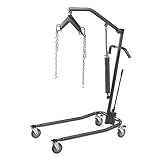 Drive Medical Hydraulic Patient Lift
A full lift is what makes one person able to manage a transfer alone. It is the single purchase that most often delays a move into residential care.
Check price on Amazon →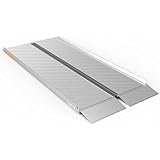 EZ-ACCESS Singlefold Wheelchair Ramp, 6 ft
Folds like a suitcase and carries in a car boot, so the same ramp handles the front step at home and the kerb at an appointment.
Check price on Amazon → Drive Medical Nitro Rollator with Seat
The seat matters more than the wheels. Being able to stop and rest is what decides whether someone still goes out at all.
Check price on Amazon → Vive Stand Assist Rail for Couch or Chair
Getting out of a low sofa is where most falls at home start. This is the cheapest thing on the list and often the first one needed.
Check price on Amazon →As an Amazon Associate we earn from qualifying purchases, at no extra cost to you. Researched guidance, not medical advice. Prices change, so check before buying.
Signs It Might Work Well
- You have a strong, loving relationship with your parent
- Your parent is flexible and respectful of boundaries
- Your spouse/partner genuinely supports the decision
- You have adequate space, ideally, a separate living area
- Your parent's care needs are manageable now and likely to stay so
- You have help, other family members, the ability to hire caregivers
- You're emotionally stable and have good coping skills
- Your parent wants to move in (not being forced)
Warning Signs It May Not Work
- Difficult history with your parent (conflict, abuse, criticism)
- Your parent is controlling, demanding, or manipulative
- Your spouse is hesitant or opposed
- You're already burned out from caregiving
- Very limited space (no privacy for anyone)
- High care needs requiring professional skills
- Progressive dementia likely to require memory care
- You're doing this primarily from guilt
- Other siblings aren't helping and won't start
A spouse who objects isn't being selfish, they're being honest about what they can handle. Overriding their objection often leads to marriage problems, sometimes divorce. Their concerns are legitimate and must be addressed before deciding.
Making It Work: Essential Steps
Before They Move In
- Have a family meeting: Discuss expectations, concerns, roles
- Establish ground rules: Privacy, guests, noise, schedule, meals
- Create their space: Their own room, ideally with private bathroom
- Modify the home: Safety modifications before problems occur
- Legal/financial planning: Who pays for what, what if things change
- Respite plan: Build in breaks from the start
- Exit strategy: What if it doesn't work out?
Once They're Living With You
- Maintain boundaries: Your home, your rules, kindly but firmly
- Keep your relationship with spouse/partner first: Schedule date nights
- Hire help: Even a few hours a week makes a difference
- Use adult day programs: Good for parent and gives you respite
- Have regular check-ins: How is everyone really doing?
- Take care of yourself: Don't lose yourself in caregiving
Alternatives to Consider
Close But Not In
- Granny flat or ADU: Separate unit on your property
- Nearby apartment: Same building or neighborhood
- Independent living: Apartment with services nearby
More Support Where They Are
- Increased in-home care
- Adult day programs
- Medical alert system
- Meal delivery and regular check-ins
Care Facilities
- Assisted living: For those needing help with daily activities
- Memory care: Specialized for dementia
- Continuing care communities: Can transition as needs change
If You Decide Yes
- Start with a trial period if possible
- Maintain your own interests, friendships, life outside caregiving
- Join a caregiver support group
- Be honest with yourself if it's not working
- Remember: moving them out later if needed doesn't make you a bad person
If You Decide No
- This doesn't make you selfish, it makes you realistic
- You can still be a loving, involved child without sharing a home
- Help find and choose the right care setting
- Visit often and advocate for their care
- The guilt will pass; doing what's right for everyone matters
The best care arrangement is one that is sustainable, keeps your parent safe and as happy as possible, and doesn't destroy your health, relationships, or life. Moving them in may or may not be that arrangement. Be honest in your assessment.
Plan for This Transition
Our Care Planning Workbook helps you think through this decision and prepare for whatever you choose.
Get the Complete Caregiver Kit- This decision affects your whole household, include everyone
- Honestly assess your relationship, space, capacity, and their needs
- Spouse objections must be taken seriously, not overruled
- Set ground rules and boundaries before they move in
- Build in respite and help from the start
- Consider alternatives: nearby living, increased support, facilities
- Saying no doesn't make you a bad child, it makes you realistic
- Have an exit plan in case it doesn't work out