When to Take the Car Keys from an Elderly Parent
This is one of the hardest conversations you'll ever have. For your parent, driving represents independence, identity, and freedom. Suggesting they stop feels like you're taking away their life.
But unsafe driving puts your parent, and others, at serious risk. Here's how to recognize when it's time, and how to approach the conversation.
Warning Signs of Unsafe Driving
Physical Warning Signs
- New dents or scrapes on the car they can't explain
- Frequent near-misses or close calls
- Traffic tickets or warnings
- Getting lost on familiar routes
- Confusing the gas and brake pedals
- Driving too slowly (impeding traffic) or too fast
- Not checking mirrors or blind spots
- Running red lights or stop signs
- Delayed reactions to traffic signals or situations
- Difficulty staying in their lane
Cognitive/Behavioral Warning Signs
- Anxiety or stress about driving
- Other drivers honking at them
- Family or friends refusing to ride with them
- Avoiding highways, night driving, or bad weather (self-limiting)
- Forgetting where they're going mid-trip
- Difficulty reading road signs
- Trouble understanding traffic signals
- Dementia or Alzheimer's disease (any stage)
- Vision problems (macular degeneration, cataracts, glaucoma)
- Hearing loss
- Parkinson's disease
- Stroke recovery
- Arthritis affecting mobility
- Medications causing drowsiness or slow reactions
The equipment that changes the most
Most of what caregiving costs is time. These four are the purchases that reliably buy some of it back, and they are the ones families tell us they wish they had bought sooner.
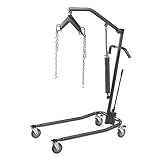 Drive Medical Hydraulic Patient Lift
A full lift is what makes one person able to manage a transfer alone. It is the single purchase that most often delays a move into residential care.
Check price on Amazon →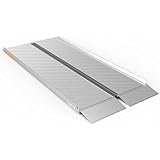 EZ-ACCESS Singlefold Wheelchair Ramp, 6 ft
Folds like a suitcase and carries in a car boot, so the same ramp handles the front step at home and the kerb at an appointment.
Check price on Amazon → Drive Medical Nitro Rollator with Seat
The seat matters more than the wheels. Being able to stop and rest is what decides whether someone still goes out at all.
Check price on Amazon → Vive Stand Assist Rail for Couch or Chair
Getting out of a low sofa is where most falls at home start. This is the cheapest thing on the list and often the first one needed.
Check price on Amazon →As an Amazon Associate we earn from qualifying purchases, at no extra cost to you. Researched guidance, not medical advice. Prices change, so check before buying.
How to Assess Their Driving
Take a Ride with Them
Don't announce you're evaluating them, just suggest going somewhere together and let them drive. Watch for:
- How they handle intersections
- Lane changes and merging
- Reaction to unexpected situations
- Following traffic laws
- Speed and smoothness of driving
Professional Driving Evaluation
Many occupational therapists offer driving assessments for seniors. These evaluations:
- Test vision, reflexes, and cognitive function
- Include an actual on-road driving test
- Provide an objective, third-party assessment
- May recommend adaptive equipment or refresher courses
This takes the pressure off you. Instead of "I think you shouldn't drive," it becomes "The specialist recommends..."
Doctor's Involvement
Ask your parent's doctor to assess their driving ability. Some states require doctors to report patients they believe are unsafe drivers. Even without a legal requirement, a doctor saying "I don't think you should drive" carries weight.
How to Have the Conversation
Start Early and Gradually
Don't wait until there's been an accident. Begin the conversation before it's urgent: "I've noticed you seem uncomfortable driving at night. Would you like to limit your driving to daytime for now?"
Focus on Safety, Not Ability
Instead of: "You're not a good driver anymore."
Try: "I worry about your safety, and I'd never forgive myself if something happened. Let's figure this out together."
Make It About Health, Not Age
"Your doctor mentioned that your medications can affect reaction time. Let's see what we can do to keep you moving around safely."
Involve the Right People
Sometimes parents will listen to a doctor, trusted friend, or other authority figure more than their children. Consider asking someone else to initiate or support the conversation.
Offer Solutions, Not Just Problems
Come prepared with alternatives: "I can drive you to your appointments. Let's look at the senior shuttle schedule. Your insurance money could pay for Uber/Lyft."
What If They Refuse to Stop?
This is agonizing. Your parent may insist they're fine, get angry, or refuse to discuss it. Options:
Graduated Approach
- Limit driving to familiar routes only
- No driving at night or in bad weather
- Short trips only
- Accompany them as a passenger
If They Still Refuse
- Contact the DMV: Many states allow you to request a re-examination. Some let you report anonymously.
- Ask their doctor: In some states, doctors can report unsafe drivers to the DMV.
- Disable the vehicle: As a last resort, you can remove the battery, hide the keys, or disable the car in other ways.
- Sell the car: If they can't afford to keep the car anyway, this may be a natural solution.
If you know your parent is unsafe to drive and do nothing, you could potentially face liability if they cause an accident. Document your concerns and efforts. Take action to protect others, not just your parent.
Alternatives to Driving
Giving up driving doesn't have to mean losing independence. Help your parent see the alternatives:
Transportation Options
- Ride services: Uber, Lyft, or senior-specific services like GoGoGrandparent
- Public transit: Many areas offer reduced fares for seniors
- Senior shuttles: Many communities have free or low-cost transportation for seniors
- Volunteer driver programs: Check with local senior centers, churches, or the Area Agency on Aging
- Medical transport: Medicaid and some insurance plans cover transportation to medical appointments
The Money Argument
Calculate how much your parent spends on car ownership:
- Car payment (if any)
- Insurance ($1,000-2,000+/year)
- Gas ($1,500+/year)
- Maintenance and repairs
- Registration and taxes
That's often $3,000-5,000+ per year, enough to pay for a lot of Uber rides or taxi trips.
Need Help with the Conversation?
Our Conversation Scripts guide includes word-for-word scripts for this and other difficult caregiving discussions.
Get the ScriptsAfter They Stop Driving
This is a major life transition. Help them adjust:
- Acknowledge the loss: Let them grieve. This is a real loss of independence.
- Stay connected: Make sure they're not isolated. Arrange regular outings and visits.
- Create a transportation plan: Work out how they'll get to doctor appointments, grocery shopping, church, etc.
- Keep them active: Walking, community activities, and staying social are important for their health.