Wound Care for Elderly Parents at Home: A Caregiver's Guide
Elderly skin is fragile. What would be a minor scrape on younger skin can become a significant wound that takes weeks to heal. As a caregiver, you may find yourself managing skin tears, surgical incisions, or chronic wounds like leg ulcers, and feeling uncertain about whether you're doing it right.
This guide covers the basics of wound care for elderly parents at home: when you can handle it yourself, when to call the doctor, and how to promote healing while preventing infection. Good wound care isn't complicated, but it does require attention and consistency.
Go to the ER or call 911 for: uncontrolled bleeding (can't stop with 10 minutes of direct pressure), deep wounds exposing fat, muscle, or bone, large or gaping wounds needing stitches, wounds from animal bites, any wound with signs of serious infection (fever, red streaking, rapid spreading), or wounds in someone on blood thinners who is bleeding significantly.
Why Elderly Skin Needs Special Care
Aging changes the skin in ways that make wounds more common and slower to heal:
- Thinner epidermis: The outer layer of skin is 20% thinner, tearing more easily
- Less collagen: The protein that gives skin strength decreases
- Reduced blood flow: Less oxygen and nutrients reach the skin
- Decreased sensation: May not notice injuries happening
- Weakened immune response: Higher infection risk, slower healing
- Medications: Blood thinners, steroids, and diabetes affect healing
- Chronic conditions: Diabetes, peripheral vascular disease, malnutrition impair wound repair
Skin tears affect up to 1.5 million elderly people annually. They happen from minor trauma that wouldn't affect younger skin, bumping a bed rail, removing adhesive tape, even gentle handling during bathing. Prevention and proper care are essential.
The equipment that changes the most
Most of what caregiving costs is time. These four are the purchases that reliably buy some of it back, and they are the ones families tell us they wish they had bought sooner.
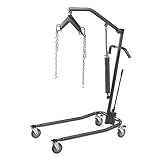 Drive Medical Hydraulic Patient Lift
A full lift is what makes one person able to manage a transfer alone. It is the single purchase that most often delays a move into residential care.
Check price on Amazon →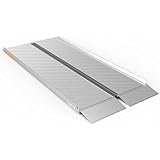 EZ-ACCESS Singlefold Wheelchair Ramp, 6 ft
Folds like a suitcase and carries in a car boot, so the same ramp handles the front step at home and the kerb at an appointment.
Check price on Amazon → Drive Medical Nitro Rollator with Seat
The seat matters more than the wheels. Being able to stop and rest is what decides whether someone still goes out at all.
Check price on Amazon → Vive Stand Assist Rail for Couch or Chair
Getting out of a low sofa is where most falls at home start. This is the cheapest thing on the list and often the first one needed.
Check price on Amazon →As an Amazon Associate we earn from qualifying purchases, at no extra cost to you. Researched guidance, not medical advice. Prices change, so check before buying.
Essential Wound Care Supplies
Keep these supplies on hand for managing wounds at home:
Basic Wound Care Kit
- Non-stick gauze pads (various sizes)
- Gauze rolls (for wrapping)
- Medical tape (paper tape is gentler)
- Self-adherent wrap (like Coban)
- Saline solution (for cleaning)
- Clean washcloths
- Disposable gloves (non-latex if allergic)
- Antibiotic ointment
- Skin barrier cream/spray
- Adhesive bandages (large)
- Scissors
- Tweezers
- Sterile cotton swabs
- Hydrogen peroxide (for cleaning around, not in, wounds)
While hydrogen peroxide was once standard for cleaning wounds, it actually damages healthy tissue and slows healing. Use saline or clean water to clean wounds. Hydrogen peroxide is fine for cleaning the skin around a wound.
Types of Wounds You May Encounter
Skin Tears
Shallow wounds where the top layer of skin has torn or separated. Most common on forearms and hands. Usually from minor trauma, hitting furniture, removing tape, or rough handling.
Care approach: Keep the skin flap if possible; use non-adhesive dressings.
Cuts and Lacerations
Deeper wounds from sharp objects. May need stitches if gaping or deep.
Care approach: Clean thoroughly, close edges if possible with butterfly strips, watch for infection.
Surgical Incisions
Wounds from surgery, typically closed with stitches, staples, or adhesive.
Care approach: Follow surgeon's specific instructions; keep dry initially, watch for signs of infection.
Pressure Injuries (Bed Sores)
Wounds from prolonged pressure on skin, usually over bony areas like heels, tailbone, hips.
Care approach: Prevention is key; advanced wounds need professional wound care.
Venous Leg Ulcers
Chronic wounds on lower legs from poor circulation. Often weepy and slow to heal.
Care approach: Usually require compression therapy and professional wound care management.
Diabetic Foot Ulcers
Wounds on feet of people with diabetes, often from pressure or injury they didn't feel.
Care approach: Always need medical management, high infection and amputation risk.
Basic Wound Care Steps
For most minor wounds (skin tears, small cuts, abrasions), follow these steps:
Wash Your Hands
Before touching any wound, wash your hands thoroughly with soap and water for at least 20 seconds. Consider wearing disposable gloves, especially for larger wounds or if there's significant drainage.
Control Bleeding
Apply gentle but firm pressure with a clean cloth for 10-15 minutes. Don't peek, removing pressure restarts bleeding. Elevate the area above heart level if possible. If bleeding doesn't stop after 15-20 minutes of continuous pressure, seek medical care.
Clean the Wound
Rinse the wound gently with clean water or saline solution. Let water run over the wound to flush out debris. For skin tears, gently clean around the wound, not vigorously inside it. Remove any visible debris with clean tweezers.
Position Any Skin Flaps
For skin tears, try to gently reposition any skin flap back into its original position using a moistened cotton swab. Even if the flap is wrinkled, keeping it in place promotes faster healing. Don't force it if it won't go easily.
Apply Appropriate Dressing
Choose a non-stick dressing (like Telfa, Adaptic, or silicone-based dressings) that won't tear fragile skin when removed. Apply a thin layer of antibiotic ointment if recommended. Secure with paper tape or self-adherent wrap, never use regular adhesive tape directly on elderly skin.
Document and Monitor
Note the date, size, and appearance of the wound. Take a photo for comparison. Watch for signs of infection during daily dressing changes.
Modern wound care keeps wounds moist, not wet, not dry. A moist environment promotes faster healing with less scarring. This is why petroleum-based ointments and occlusive dressings often work better than leaving wounds open to "air out."
Recognizing and Preventing Infection
Signs of Wound Infection
Check wounds daily for these warning signs:
- Increasing redness: especially if spreading beyond the wound edge
- Red streaks extending from the wound (possible spreading infection)
- Swelling that's getting worse rather than better
- Increased pain or tenderness
- Pus or thick, cloudy drainage
- Foul odor from the wound
- Fever (even low-grade)
- Wound not improving after 5-7 days
Seek same-day medical care if you see: fever with wound redness, red streaking from wound toward the body, rapidly spreading redness or warmth, increased confusion (in elderly, this can signal infection), or thick green/yellow pus. These can indicate cellulitis or spreading infection that needs antibiotics quickly.
Preventing Infection
- Always wash hands before and after wound care
- Use clean or sterile supplies
- Clean wounds thoroughly with each dressing change
- Keep wounds covered (open wounds are not "better")
- Change dressings when soiled, wet, or as directed
- Don't let pets near open wounds
- Ensure tetanus vaccination is up to date
Dressing Changes: How Often?
Dressing change frequency depends on the wound type:
- Skin tears: Every 3-7 days unless soiled or wet (frequent changes damage healing skin)
- Minor cuts: Daily until scab forms, then can leave uncovered
- Surgical incisions: Follow surgeon's instructions (often 24-48 hours, then as directed)
- Draining wounds: When dressing becomes saturated (may be multiple times daily)
- Chronic wounds: As directed by wound care nurse (often every 1-3 days)
Removing Old Dressings
- Moisten first: If the dressing is stuck, wet it with saline or water before removing
- Go slowly: Peel back gently while holding the skin
- Follow the hair: Remove in the direction hair grows
- Use adhesive remover: Products like Remove or Detachol dissolve adhesive gently
- Never rip: Forceful removal tears fragile skin
Special Considerations
Blood Thinners
Many elderly people take blood thinners (warfarin, apixaban, aspirin). These medications:
- Cause wounds to bleed longer, expect more time for bleeding to stop
- Create larger bruises around wounds
- May require longer pressure to stop bleeding (20+ minutes)
- Increase risk of internal bleeding from falls, watch for unexplained bruising
For patients on blood thinners, call the doctor if: a wound won't stop bleeding after 20 minutes of pressure, you notice unexplained bruising, there's blood in urine or stool, or there are signs of internal bleeding (dizziness, weakness, severe headache after a fall).
Diabetes
Diabetes impairs wound healing and increases infection risk. For diabetic patients:
- Check feet daily: they may not feel injuries
- Any foot wound needs medical attention: infection risk is very high
- Control blood sugar: high glucose impairs healing
- Watch for signs of infection closely: may not have typical symptoms
- Protect feet: always wear shoes, never go barefoot
Poor Circulation
Peripheral arterial disease (PAD) and venous insufficiency affect many elderly people:
- Lower leg wounds may take months to heal
- Compression may be needed for venous wounds (but NOT for arterial)
- Wounds on cold, pale feet need medical evaluation
- Leg elevation helps venous wounds but may worsen arterial issues
Preventing Skin Injuries
Prevention is always better than treatment:
Skin Protection Strategies
- Use barrier creams: Moisturize daily to prevent dry, fragile skin
- Pad bed rails and wheelchair arms
- Dress in long sleeves to protect fragile arms
- Use shin guards if legs are frequently bumped
- Avoid adhesive tape directly on fragile skin, use paper tape or wrap
- Handle gently during transfers and care
- Remove rings that could catch on skin
- Keep environment clutter-free to prevent bumps
Nutrition for Healing
- Protein: Essential for tissue repair, meat, fish, eggs, dairy, beans
- Vitamin C: Helps build collagen, citrus, berries, peppers
- Zinc: Supports immune function and healing, meat, shellfish, nuts
- Hydration: Keeps skin supple and supports circulation
- Avoid malnutrition: Poor nutrition is a major cause of delayed healing
When to Involve Professionals
See a Doctor When:
- A wound shows signs of infection
- A wound isn't improving after 7-10 days
- A wound is deep, large, or has exposed tissue
- The wound is on a diabetic foot (always)
- You're unsure how to care for a particular wound
- Your parent has multiple wounds or chronic wound issues
Wound Care Specialists
For complex or chronic wounds, specialized care may be needed:
- Wound care nurses: Specialized RNs who manage complex wounds
- Wound care clinics: Outpatient clinics specializing in chronic wound management
- Home health nursing: Can provide wound care at home with a doctor's order
- Wound VAC therapy: Negative pressure therapy for complex wounds
If your parent has a wound requiring specialized care, ask the doctor about home health nursing. Medicare covers skilled nursing visits for wound care when medically necessary. A wound care nurse can train you on proper technique while monitoring healing.
Caring for Surgical Wounds
After surgery, follow your surgeon's specific instructions. General guidelines:
First 24-48 Hours
- Leave the original dressing in place unless told otherwise
- Keep the wound dry, no showers unless approved
- Watch for excessive bleeding or drainage
- Some drainage and bruising is normal
After Initial Healing
- Gently clean around the incision with soap and water when showering is allowed
- Don't soak in tubs until fully healed
- Pat dry, don't rub
- Apply any prescribed ointments
- Protect from sun to minimize scarring
Stitches and Staples
- Stitches: Usually removed in 7-14 days depending on location
- Staples: Usually removed in 7-10 days
- Adhesive strips (Steri-Strips): Fall off naturally in 1-2 weeks, don't pull off
- Dissolvable stitches: No removal needed; disappear over weeks
Track Wounds and Care Instructions
Our Care Coordination Binder includes wound care tracking sheets to document dressing changes, wound measurements, and healing progress, essential information for medical appointments.
Get the BinderPressure Injury Prevention
For bed-bound or chair-bound parents, preventing pressure injuries is crucial:
Reposition Frequently
- In bed: Turn every 2 hours
- In chair: Shift weight every 15-30 minutes
- Use pillows to keep bony areas from touching
- Keep heels off the bed
Protect Vulnerable Areas
- Heels, tailbone, hips, shoulder blades are highest risk
- Consider pressure-relieving mattress overlay
- Use heel protectors or pillows under calves (heels floating)
- Seat cushions for wheelchairs
Keep Skin Healthy
- Keep skin clean and dry
- Moisturize dry skin (but not between toes)
- Change incontinence products promptly
- Use barrier cream to protect from moisture
- Don't massage reddened areas
Key Takeaways
- Elderly skin is fragile: handle gently, avoid adhesive tape
- Keep wounds clean and moist: not wet, not dry
- Use non-stick dressings to prevent further damage
- Watch for infection: redness, pus, fever need medical attention
- Diabetic foot wounds always need professional care
- Prevention is key: protect fragile skin, reposition frequently
- Don't hesitate to get help: wound care nurses are invaluable for complex wounds
Good wound care takes patience and attention, but it's a skill you can learn. When in doubt, consult a healthcare provider. A small investment in proper wound care prevents the much larger problems of infection, hospitalization, or chronic non-healing wounds.