Adult Day Care Programs: A Complete 2026 Guide
You need to work. Your parent can't stay home alone. You can't afford full-time home care. Sound familiar?
Adult day care programs are often the perfect solution, and one of the most underused resources for family caregivers. Your parent gets supervision, socialization, meals, and activities. You get peace of mind and the ability to keep your job.
What Is Adult Day Care?
Adult day care (also called adult day services or adult day health) is a program where your parent spends the day at a center, typically from morning to late afternoon, receiving:
- Supervision and safety
- Social activities and engagement
- Meals and snacks
- Assistance with personal care (toileting, mobility)
- Medication management
- Some programs: nursing care, physical therapy, medical monitoring
Studies show adult day care participants experience less depression, improved nutrition, better medication compliance, and slower cognitive decline compared to those who stay home alone. Caregivers report reduced stress and better quality of life.
As an Amazon Associate, we earn from qualifying purchases.
Recommended Caregiver Resources
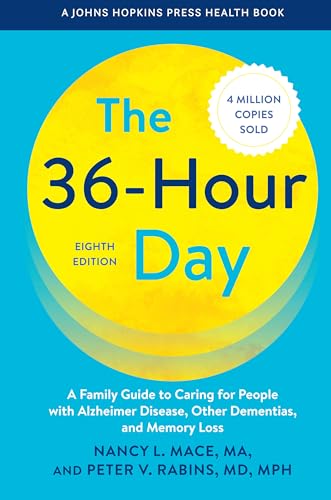 The 36-Hour Day Essential family guide to dementia care
 Get It Together: Organize Your Records Track care schedules and program information
 Weekly Pill Organizer with Reminder Prepare medications for day care days
 Caregiver Log Book and Planner Schedule day care and coordinate care routines
Types of Programs
Social Adult Day Care
Focus on socialization, recreation, and supervision. Activities might include games, crafts, music, exercise, and outings. Meals are provided. Staff monitor safety but medical services are minimal.
Best for: Parents who are relatively healthy but need supervision and social engagement. Those at risk of isolation or depression.
Adult Day Health Care (Medical)
Includes everything in social day care PLUS nursing services, therapy (physical, occupational, speech), medical monitoring, and more intensive health oversight. Often has a nurse on staff.
Best for: Parents with chronic health conditions, those recovering from hospitalization, or anyone needing medical supervision. More likely to be covered by Medicaid.
Specialized Dementia/Memory Care
Programs specifically designed for people with Alzheimer's or dementia. Staff trained in dementia care. Activities tailored to cognitive abilities. Secure environment to prevent wandering.
Best for: Parents with dementia who need specialized programming and a safe environment.
2026 Costs
Compare this to:
- In-home care: $33/hour × 8 hours = $264/day
- Assisted living: $5,500/month ÷ 30 = $183/day
Adult day care is often the most affordable supervised care option, especially for caregivers who work.
How to Pay
Medicaid
Many state Medicaid programs cover adult day health care (medical programs) through waiver programs. Coverage varies by state. Check with your local Medicaid office.
VA Benefits
Veterans may receive adult day health care through the VA at no cost, based on eligibility and availability.
Long-Term Care Insurance
Some policies cover adult day care. Review your parent's policy or call the insurance company.
State Programs
Some states have programs that subsidize adult day care for low-income seniors. Contact your Area Agency on Aging.
Sliding Scale Fees
Many centers offer reduced fees based on income. Ask about financial assistance.
Regular Medicare does not cover adult day care. However, some Medicare Advantage plans may include it as a supplemental benefit. Check your specific plan.
What to Look for in a Program
Questions to Ask
Red Flags
- Won't let you visit unannounced
- Participants seem disengaged or just sitting around
- Understaffed or staff seem overwhelmed
- Unclean facility or strong odors
- No clear policies for emergencies or medication management
- Negative reviews mentioning safety concerns
Green Flags
- Participants are engaged and interacting
- Staff know participants by name and seem warm
- Activities are happening (not just TV)
- Clean, bright, welcoming environment
- Clear communication with families
- Licensed and accredited (if applicable in your state)
Helping Your Parent Adjust
Many parents resist the idea of "day care" (the name doesn't help). Here's how to ease the transition:
- Visit together first. Let them see the space, meet staff, maybe stay for an activity.
- Start slowly. Begin with 1-2 days per week, then increase.
- Reframe it. Call it a "senior center," "club," or "program", whatever feels less stigmatizing.
- Focus on benefits. Friends, activities, outings, good food.
- Be patient. Adjustment takes time. Most participants come to enjoy it after a few weeks.
- Stay in touch. Ask staff how it went. Celebrate positive experiences.
How to Find Programs
- Eldercare Locator: Call 1-800-677-1116 or visit eldercare.acl.gov
- Your local Area Agency on Aging: Call 211
- Alzheimer's Association: For dementia-specific programs
- Hospital discharge planners: If your parent was recently hospitalized
- Your parent's doctor: May know of good local programs
Adult Day Care Evaluation Checklist
Get our printable checklist for evaluating and comparing adult day care programs.
Download Checklist