Your parent calls you multiple times a day, worried about things that seem minor. They can't relax, always expecting something bad to happen. They ask the same anxious questions over and over. Anxiety is common in elderly adults, and treatable. Here's how to recognize it and help.
Signs of Anxiety in Elderly Parents
Anxiety in seniors often looks different than in younger people. Watch for:
The equipment that changes the most
Most of what caregiving costs is time. These four are the purchases that reliably buy some of it back, and they are the ones families tell us they wish they had bought sooner.
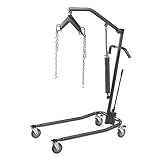 Drive Medical Hydraulic Patient Lift
A full lift is what makes one person able to manage a transfer alone. It is the single purchase that most often delays a move into residential care.
Check price on Amazon →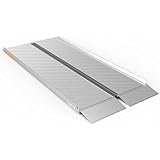 EZ-ACCESS Singlefold Wheelchair Ramp, 6 ft
Folds like a suitcase and carries in a car boot, so the same ramp handles the front step at home and the kerb at an appointment.
Check price on Amazon → Drive Medical Nitro Rollator with Seat
The seat matters more than the wheels. Being able to stop and rest is what decides whether someone still goes out at all.
Check price on Amazon → Vive Stand Assist Rail for Couch or Chair
Getting out of a low sofa is where most falls at home start. This is the cheapest thing on the list and often the first one needed.
Check price on Amazon →As an Amazon Associate we earn from qualifying purchases, at no extra cost to you. Researched guidance, not medical advice. Prices change, so check before buying.
Common Causes of Elderly Anxiety
Life Changes
- Loss of spouse, friends, or siblings
- Health decline and fear of dying
- Loss of independence and control
- Moving from home or changing living situation
- Financial insecurity
- Role loss (retirement, no longer "needed")
Medical Causes
- Medications: Some blood pressure drugs, steroids, stimulants, thyroid medications, and others cause anxiety
- Thyroid disorders: Both hyper- and hypothyroidism can cause anxiety
- Heart conditions: Arrhythmias and heart failure can trigger anxiety-like symptoms
- Chronic pain: Constant discomfort breeds anxiety
- Dementia: Early dementia often includes anxiety as the person senses something is wrong
- Caffeine: Sensitivity increases with age; even small amounts can trigger anxiety
Psychological Factors
- Lifelong anxiety that worsens with age
- Previous trauma resurfacing
- Depression (often occurs with anxiety)
- Feeling like a burden to family
- Fear of being alone or abandoned
When to See a Doctor
Your parent should see their doctor if anxiety:
- Is causing significant distress
- Interferes with daily activities
- Is getting worse over time
- Causes physical symptoms (sleep problems, appetite changes, fatigue)
- Leads to avoidance of important activities
- Appeared suddenly or with new medications
The doctor can rule out medical causes and discuss treatment options including therapy and medication.
Calming Strategies That Help
Validation First
Don't dismiss their fears with "There's nothing to worry about." Instead: "I can see you're really worried about this. That sounds stressful." Feeling heard reduces anxiety more than reassurance does.
Limit Reassurance-Seeking
Constantly reassuring an anxious person actually reinforces anxiety. Provide reassurance once, then gently redirect: "I've told you the appointment is Thursday. Let's talk about something else."
Establish Routines
Predictability reduces anxiety. Keep daily schedules consistent, meals, medications, activities, and sleep at the same times. Post schedules visibly.
Limit News Consumption
24-hour news feeds anxiety. Encourage one news update per day, or shift to local news. Remove access to anxiety-triggering programs.
Breathing Exercises
Simple deep breathing can stop anxiety escalation. Practice together: breathe in for 4 counts, hold for 4, out for 6. Make it a daily habit, not just during crisis.
Physical Activity
Movement reduces anxiety. Walking, gentle stretching, tai chi, or chair exercises, anything that gets the body moving helps regulate the nervous system.
Reduce Caffeine
Caffeine sensitivity increases with age. Switch to decaf or half-caf, and avoid caffeine after noon. Remember that tea, chocolate, and some medications contain caffeine.
Social Connection
Isolation breeds anxiety. Regular social contact, visits, phone calls, senior center activities, helps regulate emotions and provides perspective.
When Anxiety Is Really Dementia
Anxiety can be an early sign of dementia. Watch for:
- Anxiety that appeared suddenly or is getting rapidly worse
- Memory problems accompanying the anxiety
- Difficulty with familiar tasks
- Confusion about time or place
- Repeating questions not just for reassurance but because they don't remember asking
If you suspect dementia, request a cognitive assessment from the doctor.
Medication Options
If lifestyle changes aren't enough, medication may help. Options include:
What's Typically Safe
- SSRIs (sertraline, escitalopram) - Usually first choice for elderly; lower doses than younger adults
- Buspirone - Good for generalized anxiety, no sedation
- Mirtazapine - Helps anxiety and sleep; also improves appetite
What's Usually Avoided
- Benzodiazepines (Xanax, Valium, Ativan) - High risk of falls, confusion, dependence in elderly; use only short-term if at all
- Antihistamines (Benadryl for anxiety) - Causes confusion and falls
Medication should start at low doses and increase slowly. Effects take 2-6 weeks to appear.
Therapy for Elderly Anxiety
Cognitive Behavioral Therapy (CBT) is effective for elderly anxiety. It helps identify and change anxious thought patterns. Many seniors resist therapy ("I'm too old to change"), but it works at any age.
Look for therapists who specialize in geriatric mental health. Some offer telehealth sessions if your parent can't travel.
Managing Your Own Frustration
An anxious parent can be exhausting. Constant calls, repetitive worries, and endless reassurance-seeking wear caregivers down. Tips for coping:
- Set boundaries - It's okay to limit calls: "I'll call you at 9am and 6pm every day."
- Don't take it personally - Their anxiety isn't about you or your adequacy as a caregiver
- Get your own support - Therapy, support groups, trusted friends to vent to
- Take breaks - Respite care isn't just for physical caregiving; emotional caregiving is exhausting too
- Remember it's the disorder - They're not trying to be difficult; anxiety hijacks the brain
Creating a Calm Environment
- Reduce noise - TV, radio, and background noise increase agitation
- Soft lighting - Harsh lights can feel overwhelming
- Declutter - Visual chaos contributes to mental chaos
- Familiar objects - Photos, favorite items, and familiar furniture provide comfort
- Calming music - Music from their young adulthood is often soothing
- Nature - Plants, bird feeders visible from windows, time outdoors
What to Say (and Not Say)
- "I can see you're worried. That sounds really hard."
- "What would help you feel better right now?"
- "Let's take some deep breaths together."
- "I'm here. You're not alone."
- "Would you like to take a walk with me?"
- "You're worrying about nothing."
- "Just calm down."
- "Other people have it much worse."
- "You've asked me that five times already."
- "What's wrong with you?"
The Bottom Line
Anxiety in elderly parents is common but treatable. It deserves the same medical attention as any other health condition. With proper treatment, therapy, medication, lifestyle changes, most elderly people experience significant relief. Your patience and support make a real difference.
Support for Caregivers
Our caregiver resources include guides for managing the emotional challenges of caregiving.
View Caregiver ResourcesProducts that help with anxiety & calming
We independently research every recommendation. As an Amazon Associate we earn from qualifying purchases, at no extra cost to you. Disclosure.
- Weighted Blankets →Calming deep-pressure blankets for anxiety, sleep, and sundowning.