Blood clots are a serious health concern for older adults. Deep vein thrombosis (DVT), a blood clot in a deep vein, usually in the leg, affects approximately 1-2 per 1,000 people annually, but the risk increases significantly with age. For adults over 80, the risk is 5-6 times higher than for younger adults.
The danger isn't just the clot itself. If a DVT breaks loose and travels to the lungs, it becomes a pulmonary embolism (PE), a life-threatening emergency. Understanding the warning signs and risk factors can help you protect your aging parent.
Call 911 immediately if your parent experiences: sudden shortness of breath, chest pain (especially with breathing), rapid pulse, coughing up blood, or fainting. These may indicate a pulmonary embolism.
Understanding Blood Clots
Types of Clots
| Type | Location | Risk Level |
|---|---|---|
| Deep Vein Thrombosis (DVT) | Deep veins, usually in legs (thigh, calf) or pelvis | Serious, can lead to PE if untreated |
| Pulmonary Embolism (PE) | Lungs (usually from DVT that traveled) | Life-threatening emergency |
| Superficial Thrombophlebitis | Veins near skin surface | Usually less serious, but can extend deeper |
| Arterial Clots | Arteries (can cause stroke, heart attack) | Emergency, blocks oxygen to organs |
Why Blood Clots Form
Three factors contribute to clot formation (known as Virchow's triad):
- Slow blood flow: From immobility, sitting for long periods, or bed rest
- Blood vessel damage: From surgery, injury, or chronic conditions
- Increased clotting tendency: From medical conditions, medications, or genetics
The equipment that changes the most
Most of what caregiving costs is time. These four are the purchases that reliably buy some of it back, and they are the ones families tell us they wish they had bought sooner.
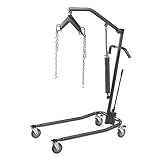 Drive Medical Hydraulic Patient Lift
A full lift is what makes one person able to manage a transfer alone. It is the single purchase that most often delays a move into residential care.
Check price on Amazon →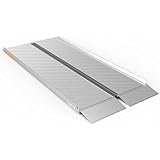 EZ-ACCESS Singlefold Wheelchair Ramp, 6 ft
Folds like a suitcase and carries in a car boot, so the same ramp handles the front step at home and the kerb at an appointment.
Check price on Amazon → Drive Medical Nitro Rollator with Seat
The seat matters more than the wheels. Being able to stop and rest is what decides whether someone still goes out at all.
Check price on Amazon → Vive Stand Assist Rail for Couch or Chair
Getting out of a low sofa is where most falls at home start. This is the cheapest thing on the list and often the first one needed.
Check price on Amazon →As an Amazon Associate we earn from qualifying purchases, at no extra cost to you. Researched guidance, not medical advice. Prices change, so check before buying.
Risk Factors in Elderly Adults
Older adults face multiple risk factors that often compound each other.
Age-Related Risks
- Reduced mobility: Less walking and movement slows blood flow
- Chronic conditions: Heart disease, cancer, diabetes, and other conditions increase risk
- Medications: Some drugs affect clotting
- Previous clots: History of DVT significantly increases future risk
- Vein changes: Veins become less elastic with age
Situational Risk Factors
- Recent surgery: Especially hip, knee, or abdominal surgery
- Hospitalization: Immobility during illness is a major risk
- Long travel: Flights or car trips over 4 hours
- Bed rest: Extended time in bed for any reason
- Injury to leg: Fractures, sprains, or muscle injuries
- Dehydration: Thickens blood and increases clotting risk
The risk of blood clots remains elevated for 6-12 weeks after hospitalization or surgery. This is when vigilance is most critical. Follow all prescribed prevention measures during this period.
Medical Conditions That Increase Risk
- Heart failure
- Cancer (especially during treatment)
- Atrial fibrillation
- Inflammatory conditions (rheumatoid arthritis, IBD)
- Kidney disease
- Obesity
- Varicose veins
- Clotting disorders (factor V Leiden, etc.)
Recognizing the Warning Signs
DVT Symptoms (Usually in Leg)
- Swelling: One leg noticeably more swollen than the other
- Pain or tenderness: Often starts in calf, may feel like a cramp or charley horse
- Warmth: Affected area feels warmer than surrounding skin
- Redness or discoloration: Skin may appear red, blue, or pale
- Visible veins: Surface veins may become more prominent
- Leg fatigue: Leg may feel heavy or tire quickly
Compare both legs at the same locations. Measure both calves at their widest point, a difference of more than 3 cm (about 1 inch) warrants medical evaluation. Look for asymmetry in swelling, color, or temperature.
Pulmonary Embolism Symptoms
A PE occurs when a clot travels to the lungs. Symptoms can develop suddenly:
- Sudden shortness of breath: The most common symptom
- Chest pain: Sharp, stabbing pain that worsens with breathing
- Rapid or irregular heartbeat: Heart races to compensate
- Coughing: May cough up blood or blood-tinged sputum
- Dizziness or fainting: From reduced oxygen
- Anxiety or sense of dread: Feeling something is very wrong
- Sweating: May break into cold sweat
- Low blood pressure: In severe cases
Pulmonary embolism can be fatal within hours. If your parent develops sudden breathing difficulty, chest pain, or coughs up blood, especially if they have leg swelling or recent immobility, call 911 immediately. Don't drive them yourself.
Diagnosis and Testing
If a blood clot is suspected, doctors use several tests:
| Test | Purpose |
|---|---|
| D-dimer blood test | Measures a substance released when clots break down; can rule out DVT if negative |
| Ultrasound (Doppler) | Primary imaging test for DVT; visualizes blood flow in leg veins |
| CT angiography | Primary test for PE; creates detailed images of lung blood vessels |
| V/Q scan | Alternative PE test when CT isn't suitable (kidney problems, contrast allergy) |
| MRI | Sometimes used for DVT in pelvis or when ultrasound is inconclusive |
Treatment Options
Blood Thinners (Anticoagulants)
The primary treatment for DVT and PE is blood-thinning medication:
- Direct oral anticoagulants (DOACs): Eliquis (apixaban), Xarelto (rivaroxaban), Pradaxa (dabigatran), often first choice; no regular blood tests needed
- Warfarin (Coumadin): Older medication; requires regular INR blood tests and dietary consistency
- Heparin/Lovenox: Injectable; often used initially or when oral meds aren't suitable
Blood thinners increase bleeding risk. Watch for signs of bleeding: unusual bruising, pink or brown urine, dark or bloody stools, bleeding gums, nosebleeds, or cuts that won't stop bleeding. Report these to the doctor.
Other Treatments
- Compression stockings: Help prevent post-thrombotic syndrome; should be properly fitted
- Thrombolytics: "Clot-busting" drugs for severe PE or extensive DVT
- IVC filter: Device placed in large vein to catch clots; used when blood thinners can't be taken
- Catheter-directed therapy: Direct treatment of clot through a catheter
Duration of Treatment
How long blood thinners are needed depends on:
- First DVT with known trigger (surgery, travel): Usually 3 months
- Unprovoked first DVT: May be 6-12 months or longer
- Recurrent DVT: Often indefinite treatment
- Ongoing risk factors: May need long-term anticoagulation
Prevention Strategies
Daily Prevention
- Movement: Walk regularly; avoid sitting for more than 2 hours without moving
- Leg exercises: Ankle circles, calf raises, even while seated
- Hydration: Drink plenty of fluids to keep blood from thickening
- Elevation: Raise legs when sitting to improve blood flow
- Avoid crossing legs: Restricts blood flow
- Compression stockings: May be recommended for high-risk individuals
These can be done while seated:
- Point and flex feet 10 times
- Circle ankles in both directions
- Press heels into floor and lift toes, then reverse
- Straighten legs and hold for 5 seconds
Repeat every hour during long sitting periods.
During Travel
- Walk the aisle every 1-2 hours on flights
- Stop and walk every 2 hours on car trips
- Do seated leg exercises frequently
- Wear compression stockings during travel
- Drink water; avoid alcohol and caffeine
- Wear loose, comfortable clothing
- Consider aisle seat for easier movement
After Surgery or During Hospitalization
- Prescribed blood thinners: Take as directed, don't skip doses
- Sequential compression devices: Inflatable cuffs that squeeze legs periodically
- Early mobilization: Get up and move as soon as safely allowed
- Compression stockings: Wear as recommended
- Continue precautions at home: Risk remains elevated for weeks after discharge
Before leaving the hospital after surgery or serious illness, ask: "What should we do to prevent blood clots at home? Should [parent] take blood thinners? Wear compression stockings? When should we be concerned?"
Living with DVT History
Post-Thrombotic Syndrome
About 30-50% of people who have DVT develop post-thrombotic syndrome (PTS), chronic symptoms in the affected leg:
- Chronic swelling
- Pain or aching
- Heaviness or fatigue in the leg
- Skin changes (discoloration, thickening)
- Leg ulcers in severe cases
Managing PTS
- Wear compression stockings daily (30-40 mmHg, properly fitted)
- Elevate legs when resting
- Stay active, walking improves circulation
- Maintain healthy weight
- Care for skin carefully to prevent breakdown
Caregiver Action Plan
Know Your Parent's Risk Level
- Does your parent have a history of blood clots?
- What medical conditions increase their risk?
- Are they taking medications that affect clotting?
- How mobile are they on a daily basis?
Monitor for Symptoms
- Check legs regularly for swelling, especially if mobility is limited
- Note any leg pain complaints that seem different from usual aches
- Be alert for breathing changes or chest pain
- Take symptoms seriously even if they seem vague
Promote Prevention
- Encourage movement and walking throughout the day
- Ensure adequate fluid intake
- Help with leg exercises if mobility is limited
- Ensure blood thinners are taken as prescribed
- Coordinate with doctors about prevention during high-risk periods
- Understand what blood clot prevention is prescribed
- Know the signs to watch for
- Have emergency numbers readily available
- Schedule follow-up appointments
- Encourage mobility as recommended by doctors
- Monitor for 6-12 weeks (highest risk period)
Track Health Changes
Our Care Coordination Binder helps you track symptoms, medications, and communicate clearly with healthcare providers about blood clot risk and prevention.
Get the Complete Caregiver KitQuestions to Ask the Doctor
- What is my parent's risk level for blood clots?
- Should they take blood thinners preventively?
- Are compression stockings recommended?
- How much movement is safe and recommended?
- What specific symptoms should we watch for?
- If they've had a DVT: How long should they take blood thinners?
- Are there medication interactions we should know about?
- Blood clot risk increases significantly with age and immobility
- DVT warning signs: leg swelling, pain, warmth, or redness (usually one leg)
- PE is an emergency: sudden shortness of breath, chest pain, coughing blood, call 911
- Prevention: regular movement, hydration, compression stockings when indicated
- Post-hospitalization is the highest risk period, maintain vigilance for weeks
- If blood thinners are prescribed, take them exactly as directed