You started caregiving because you love your parent. You wanted to help. But somewhere along the way, it consumed you. You're exhausted in a way that sleep doesn't fix. You've lost yourself in the role of caregiver. You might even resent the person you're caring for, and feel terrible guilt about that.
This is caregiver burnout. It's real. It's common. And it's not your fault.
Caregiver burnout happens to devoted, loving caregivers, often because they're devoted and loving. The expectation that you should be able to do it all indefinitely isn't realistic. Burnout is what happens when demand exceeds capacity for too long.
Signs of Caregiver Burnout
Emotional Signs
- Feeling hopeless or helpless
- Persistent sadness, crying easily
- Anxiety or constant worry
- Irritability or anger at your parent, yourself, or others
- Emotional numbness, feeling nothing at all
- Loss of interest in things you used to enjoy
- Feeling trapped with no way out
- Resentment toward your parent or other family members
- Wishing your caregiving role would end, then feeling guilty
Physical Signs
- Exhaustion that doesn't improve with rest
- Getting sick more often
- Headaches, body aches, or digestive problems
- Changes in sleep, too much, too little, or unrefreshing
- Weight gain or loss
- Neglecting your own health (skipping appointments, not taking medications)
- Drinking more alcohol or using substances to cope
Behavioral Signs
- Withdrawing from friends and activities
- Neglecting responsibilities beyond caregiving
- Losing patience more easily with your parent
- Missing work or poor performance
- No longer having any time for yourself
- Unable to relax even when you have a break
If you're having thoughts of harming yourself, your parent, or others, seek help immediately. Call 988 (Suicide and Crisis Lifeline) or go to an emergency room. This is a crisis, and help is available. Overwhelmed caregivers sometimes have these thoughts, you're not a monster, you're in crisis.
The equipment that changes the most
Most of what caregiving costs is time. These four are the purchases that reliably buy some of it back, and they are the ones families tell us they wish they had bought sooner.
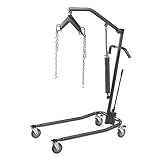 Drive Medical Hydraulic Patient Lift
A full lift is what makes one person able to manage a transfer alone. It is the single purchase that most often delays a move into residential care.
Check price on Amazon → EZ-ACCESS Singlefold Wheelchair Ramp, 6 ft
Folds like a suitcase and carries in a car boot, so the same ramp handles the front step at home and the kerb at an appointment.
Check price on Amazon → Drive Medical Nitro Rollator with Seat
The seat matters more than the wheels. Being able to stop and rest is what decides whether someone still goes out at all.
Check price on Amazon → Vive Stand Assist Rail for Couch or Chair
Getting out of a low sofa is where most falls at home start. This is the cheapest thing on the list and often the first one needed.
Check price on Amazon →As an Amazon Associate we earn from qualifying purchases, at no extra cost to you. Researched guidance, not medical advice. Prices change, so check before buying.
Why Burnout Happens
The Math Doesn't Work
Caregiving often demands more hours, energy, and emotional capacity than any one person has. Especially when you're also:
- Working a job
- Raising children
- Managing your own health issues
- Caring for a spouse or partner
- Handling your household
Unrealistic Expectations
- "I should be able to do this alone"
- "A good daughter/son doesn't complain"
- "I promised I'd never put them in a home"
- "Asking for help is weakness"
- "My needs don't matter right now"
No End in Sight
Caregiving for a chronic or progressive condition means the demands increase while your resources deplete. There's no graduation day. The uncertainty, not knowing how long this will last, adds to the burden.
No Support System
- Other family members don't help (or criticize how you help)
- Friends don't understand or have drifted away
- No access to respite care
- Financial constraints limiting paid help
- Geographic isolation
Starting Recovery
Acknowledge the Problem
You're not fine. Saying "I'm burned out" isn't complaining or being weak. It's being honest about an unsustainable situation. This acknowledgment is the first step.
Get Immediate Relief
You need a break, not someday, now. Even small breaks help:
- Ask someone to cover for a few hours so you can leave the house
- Use respite care (many areas have emergency respite services)
- Lower your standards temporarily (the house can be messy)
- Say no to anything not absolutely essential
See a Doctor
Many burned-out caregivers have developed depression, anxiety, or physical health problems. Get evaluated. You may need:
- Treatment for depression or anxiety
- Medication to help you sleep or cope
- Treatment for health problems you've been ignoring
- A doctor's note requiring you to take leave from work
Talk to Someone
- Therapist or counselor (look for one experienced with caregivers)
- Caregiver support group (in person or online)
- Trusted friend or family member who will listen without judging
- Social worker at your parent's care facility or through their insurance
Burnout is not permanent. With changes to the caregiving situation and attention to your own needs, you can recover. It takes time and requires making your wellbeing a priority, which may feel selfish but is actually essential.
Making Sustainable Changes
Redistribute the Load
You cannot continue doing everything yourself. Consider:
- Hire help: Even a few hours a week of paid care makes a difference
- Engage other family: Have a direct conversation about sharing responsibilities
- Use community resources: Adult day programs, Meals on Wheels, transportation services
- Consider placement: Assisted living or nursing care isn't failure, it may be necessary
Set Boundaries
- Define what you will and won't do (and stick to it)
- Establish times when you're off duty
- Limit how often you respond to non-urgent requests
- Stop trying to be everything to everyone
Protect Your Non-Caregiving Life
- Keep at least one activity that's just for you
- Maintain at least one friendship
- Take care of your own health (appointments, exercise, diet)
- Protect your sleep
- Continue working if it helps your identity and finances
Challenge Unhelpful Beliefs
- "I must do it all alone" → "It's okay to need help"
- "I can't take a break" → "I need breaks to be a good caregiver"
- "My needs don't matter" → "My wellbeing affects the care I provide"
- "A nursing home would be abandonment" → "Professional care might be best for both of us"
A common pattern: caregivers feel selfish prioritizing their own needs. But if you collapse, who cares for your parent? Your health and wellbeing aren't luxuries, they're requirements for sustainable caregiving.
Preventing Future Burnout
Build in Regular Respite
- Schedule regular time off (daily, weekly, monthly)
- Use respite care before you desperately need it
- Take vacations, yes, real vacations
- Accept offers of help immediately, even small ones
Monitor Your Wellbeing
- Notice early warning signs (irritability, sleep problems, resentment)
- Check in with yourself regularly: "Am I okay?"
- Ask trusted friends to tell you if they're worried about you
- Schedule regular doctor appointments for yourself
Stay Connected
- Maintain friendships outside of caregiving
- Join a support group, people who understand
- Don't isolate yourself
- Accept invitations even when you're tired
Have an Exit Strategy
Know your limits and have a plan for when you reach them:
- What circumstances would make you unable to continue?
- What care alternatives exist for your parent?
- Who would you call in a crisis?
- Having a plan doesn't mean you'll use it, but it reduces anxiety
Getting Support
Resources for Caregivers
- National Alliance for Caregiving: caregiving.org
- Family Caregiver Alliance: caregiver.org
- AARP Caregiver Resource Center: aarp.org/caregiving
- Eldercare Locator: 1-800-677-1116 (connects to local services)
- Caregiver Action Network: caregiveraction.org
- Caregiver support groups: In person and online through organizations above
For Mental Health Crisis
- 988 Suicide and Crisis Lifeline: Call or text 988
- Crisis Text Line: Text HOME to 741741
- Your local emergency room
Caregiver Self-Care Resources
Our Caregiver Wellness Kit includes self-assessment tools, respite planning guides, and resources to help you maintain your own health.
Get the Complete Caregiver Kit- Caregiver burnout is common, serious, and not your fault
- Signs include exhaustion, hopelessness, resentment, and physical health problems
- Burnout happens when demands exceed your capacity for too long
- Recovery requires immediate relief, professional support, and sustainable changes
- You cannot continue doing everything yourself, redistribute the load
- Your wellbeing isn't optional; it's required for sustainable caregiving
- Prevention means regular respite, monitoring your health, and staying connected
- If you're in crisis, call 988, help is available