You used to enjoy things. Now nothing brings pleasure. You're exhausted but can't sleep. You feel hopeless about the future, what future? There's only caregiving, stretching endlessly ahead. You cry at nothing. Or maybe you're just numb.
These aren't just signs of being tired. This is caregiver depression, and it affects 40-70% of family caregivers. It's not weakness. It's not a moral failing. It's what happens when humans are subjected to chronic stress, grief, isolation, and impossible demands without adequate support.
Call or text 988 (Suicide and Crisis Lifeline) or go to your nearest emergency room. Thoughts of suicide mean you need immediate help. You cannot care for anyone if you're not alive. This is a crisis, and crisis intervention is available 24/7.
Signs of Caregiver Depression
Emotional Symptoms
- Persistent sadness: Feeling down most of the time, most days
- Hopelessness: Can't see how things will get better
- Loss of interest: Things you used to enjoy feel meaningless
- Irritability: Short-tempered, easily frustrated
- Guilt: Constant feeling you're not doing enough
- Crying: Easily or for no apparent reason
- Numbness: Feeling disconnected or nothing at all
- Thoughts of death: Wishing you weren't here, passive or active suicidal thoughts
Physical Symptoms
- Sleep problems: Insomnia or sleeping too much
- Appetite changes: Eating too little or too much
- Fatigue: Exhaustion that rest doesn't fix
- Aches and pains: Headaches, stomach problems, body pain
- Moving slowly: Or feeling agitated and restless
- Difficulty concentrating: Can't focus, make decisions, remember things
Behavioral Signs
- Withdrawing from friends and family
- Neglecting your own needs and health
- Increasing alcohol use or starting to use substances
- Losing interest in activities outside caregiving
- Canceling your own appointments repeatedly
- Unable to take breaks even when available
Caregivers often dismiss their symptoms as normal stress. But if you've felt this way for more than two weeks, if it's interfering with your ability to function, or if you're having thoughts of self-harm, this is beyond normal stress. It's depression, and it requires treatment.
The equipment that changes the most
Most of what caregiving costs is time. These four are the purchases that reliably buy some of it back, and they are the ones families tell us they wish they had bought sooner.
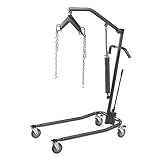 Drive Medical Hydraulic Patient Lift
A full lift is what makes one person able to manage a transfer alone. It is the single purchase that most often delays a move into residential care.
Check price on Amazon → EZ-ACCESS Singlefold Wheelchair Ramp, 6 ft
Folds like a suitcase and carries in a car boot, so the same ramp handles the front step at home and the kerb at an appointment.
Check price on Amazon → Drive Medical Nitro Rollator with Seat
The seat matters more than the wheels. Being able to stop and rest is what decides whether someone still goes out at all.
Check price on Amazon → Vive Stand Assist Rail for Couch or Chair
Getting out of a low sofa is where most falls at home start. This is the cheapest thing on the list and often the first one needed.
Check price on Amazon →As an Amazon Associate we earn from qualifying purchases, at no extra cost to you. Researched guidance, not medical advice. Prices change, so check before buying.
Why Caregiving Causes Depression
The Perfect Storm
Caregiving combines virtually every known depression risk factor:
- Chronic stress: Unrelenting demands with no end in sight
- Sleep deprivation: Disrupted sleep fundamentally affects mood
- Social isolation: No time for friends, feeling alone
- Loss of identity: You're "just" a caregiver now
- Anticipatory grief: Watching someone you love decline
- Loss of control: Powerless to stop the disease progression
- Financial strain: Reduced income, increased expenses
- Physical exhaustion: Body depleted by demands
- Loss of future: Plans and dreams put on hold or abandoned
The Grief Component
Caregivers experience ongoing grief, sometimes called "ambiguous loss":
- The person you knew is changing or gone, but still physically present
- You can't fully grieve while still caregiving
- Others don't understand grieving for someone "still alive"
- Multiple losses accumulate: their abilities, your relationship, your life
Depression isn't a character flaw or a sign of weak faith or poor attitude. It's a physiological response to impossible circumstances. Your brain chemistry has been altered by chronic stress. This is medical, not moral.
Getting Help
Professional Treatment
- Therapy: Cognitive behavioral therapy is highly effective for depression
- Medication: Antidepressants can help restore brain chemistry
- Combination: Therapy plus medication is often most effective
- Support groups: Connection with others who understand
"I Don't Have Time for Therapy"
This is the caregiver's paradox, too busy caring for others to care for yourself. But:
- Telehealth therapy works during naps, breaks, or evening
- Even brief interventions help
- Medication management requires only occasional appointments
- Untreated depression makes you a worse caregiver
- If you collapse, there's no one to provide care
Finding a Therapist
- Psychology Today directory: Search by issue and insurance
- Ask your doctor: For referral
- Your EAP: Employee Assistance Program if you work
- Community mental health centers: Sliding scale fees
- Online therapy: BetterHelp, Talkspace (convenient, varied cost)
Say: "I'm a caregiver for my [parent] with [condition]. I'm experiencing symptoms of depression and I need help, but I have limited time and can't reduce my caregiving responsibilities right now." This helps them understand your constraints and work within them.
Immediate Coping Strategies
While Waiting for Treatment
- Tell someone: Say out loud "I'm struggling" to anyone you trust
- Get outside daily: Even 10 minutes of light helps
- Move your body: Walking, stretching, anything
- Limit alcohol: It worsens depression
- Sleep when you can: Prioritize any rest opportunities
- Connect: Call a friend, even briefly
Crisis Resources
- 988 Suicide & Crisis Lifeline: Call or text 988
- Crisis Text Line: Text HOME to 741741
- Caregiver Action Network: 1-855-227-3640
- SAMHSA Helpline: 1-800-662-4357
Reducing Caregiving Burden
Self-care tips alone won't fix depression caused by an impossible situation. You need actual reduction in burden:
Get More Help
- Ask family: Specifically, for specific tasks
- Hire help: Even a few hours weekly
- Use respite care: Regular breaks, not just emergencies
- Adult day programs: Structured care while you work or rest
- Volunteer visitors: Through churches or senior services
Reduce What You Do
- Lower your standards for housekeeping
- Simplify meals
- Let go of non-essential tasks
- Say no to new obligations
- Accept that "good enough" is good enough
Protect Your Time
- Schedule non-negotiable breaks
- Keep at least one activity for yourself
- Maintain at least one relationship outside caregiving
- Don't cancel your own medical appointments
Getting help for your depression is not selfish, it's essential. You cannot provide good care while severely depressed. Getting treatment makes you a better caregiver, not a worse one.
Medication for Caregiver Depression
Common Options
- SSRIs: Sertraline (Zoloft), escitalopram (Lexapro), fluoxetine (Prozac), usually first line
- SNRIs: Venlafaxine (Effexor), duloxetine (Cymbalta), also help with anxiety and pain
- Bupropion (Wellbutrin): Less sexual side effects, helps with energy
What to Expect
- Takes 4-6 weeks to feel full effect
- Side effects often subside after 1-2 weeks
- May need dose adjustment
- Don't stop suddenly, taper with doctor's guidance
- Many people need to try more than one medication
Common Concerns
- "I don't want to be on medication": Depression is a medical condition; medication is a medical treatment. Would you refuse blood pressure medication?
- "I should be able to handle this": You're handling an exceptionally difficult situation. Medication helps your brain cope with abnormal stress.
- "It will change who I am": Depression has already changed who you are. Medication helps restore you.
Support Groups
Connection with others who understand is powerful medicine:
- Alzheimer's Association: Caregiver support groups nationwide
- Area Agency on Aging: Local support groups
- Online groups: When you can't leave home
- Disease-specific groups: Parkinson's, cancer, stroke, etc.
- Hospital-affiliated groups: Many health systems offer them
When Depression Becomes Dangerous
Seek immediate help if you:
- Have thoughts of suicide or self-harm
- Have thoughts of harming your parent
- Can't take care of basic needs for yourself or them
- Are using alcohol or drugs to cope
- Can't get out of bed
- Feel completely hopeless with no relief in sight
These thoughts can happen when caregivers are overwhelmed and exhausted. They mean you need immediate help and relief, not that you're a bad person. Call 988 or go to an ER. Arranging emergency respite care is appropriate if you're at risk of harming anyone.
Care for the Caregiver
Our Caregiver Self-Care Workbook helps you track symptoms, identify when you need help, and advocate for yourself.
Get the Complete Caregiver Kit- Caregiver depression affects 40-70% of family caregivers, you're not alone
- Symptoms lasting more than two weeks need professional attention
- Depression is a medical condition, not a character flaw
- Treatment works: therapy, medication, or both
- Telehealth makes therapy accessible for time-constrained caregivers
- Getting help makes you a better caregiver, not a worse one
- Thoughts of suicide or harm require immediate help, call 988
- Reducing caregiving burden is essential, not just self-care tips