You feel guilty for putting them in assisted living. You feel guilty for not putting them in assisted living. You feel guilty for losing your patience. You feel guilty for not visiting more. You feel guilty for resenting the situation. You feel guilty for taking time for yourself.
No matter what you do, it never feels like enough. Caregiver guilt is nearly universal, and it's corrosive, draining, and often based on impossible standards. Here's how to understand it and find some peace.
Studies show that most caregivers experience significant guilt, some estimates are as high as 90%. If you feel guilty, you're not unusually flawed. You're a normal caregiver doing an impossible job under impossible expectations.
Common Guilt Triggers
Placement Guilt
- "I promised I'd never put them in a home"
- "I should be able to care for them myself"
- "They took care of me, I should take care of them"
- "If I loved them more, I could do this"
Not Doing Enough
- "I should visit more often"
- "I should call every day"
- "Other people do more for their parents"
- "I'm not doing enough research/advocacy/care"
Emotional Responses
- Losing patience with them
- Feeling resentment about caregiving demands
- Wishing it was over
- Feeling relieved when you get a break
- Sometimes not liking them
Having a Life
- Taking vacation while they decline
- Enjoying yourself while they're suffering
- Prioritizing your spouse, kids, or job
- Not being available 24/7
Complex Relationships
- Caring for a parent who wasn't a good parent
- Feeling obligated but not loving
- Wanting their approval you never got
- Guilt about past relationship conflicts
Guilt is a trap because it has no solution. You could give up everything and it still wouldn't be enough. You could be superhuman and still feel guilty. Guilt is not a useful guide for action, it's just pain that doesn't serve you.
The equipment that changes the most
Most of what caregiving costs is time. These four are the purchases that reliably buy some of it back, and they are the ones families tell us they wish they had bought sooner.
 Drive Medical Hydraulic Patient Lift
A full lift is what makes one person able to manage a transfer alone. It is the single purchase that most often delays a move into residential care.
Check price on Amazon →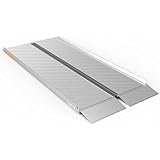 EZ-ACCESS Singlefold Wheelchair Ramp, 6 ft
Folds like a suitcase and carries in a car boot, so the same ramp handles the front step at home and the kerb at an appointment.
Check price on Amazon → Drive Medical Nitro Rollator with Seat
The seat matters more than the wheels. Being able to stop and rest is what decides whether someone still goes out at all.
Check price on Amazon → Vive Stand Assist Rail for Couch or Chair
Getting out of a low sofa is where most falls at home start. This is the cheapest thing on the list and often the first one needed.
Check price on Amazon →As an Amazon Associate we earn from qualifying purchases, at no extra cost to you. Researched guidance, not medical advice. Prices change, so check before buying.
Why Caregiver Guilt Is Often Irrational
Impossible Standards
Most caregiver guilt is based on impossible expectations:
- That you should be able to prevent decline and death
- That you should give up your entire life
- That you should never feel negative emotions
- That you should be able to do what professionals do
- That one person can meet all another person's needs
Reality Checks
- You cannot cure aging or disease. No amount of love or effort changes this.
- You have other obligations. Spouse, children, work, health, these matter too.
- Negative emotions are normal. Feeling frustrated, resentful, or exhausted doesn't make you bad.
- Professional caregivers work shifts. No one expects them to work 24/7 forever.
- Placement isn't abandonment. It's recognizing limits and ensuring professional care.
The very fact that you feel guilty is evidence that you care. People who don't care don't feel guilty. Your guilt comes from love, but that doesn't mean you should let it run your life.
Strategies for Managing Guilt
Reality-Test Your Guilt
When guilt strikes, ask yourself:
- "Is what I'm feeling guilty about actually wrong, or just imperfect?"
- "Would I judge a friend for doing what I'm doing?"
- "Am I holding myself to an impossible standard?"
- "What would I actually have to do to feel 'enough'? Is that realistic?"
Separate Guilt from Reality
- Feeling guilty doesn't mean you did something wrong
- Guilt is a feeling, not a fact
- You can feel guilty AND still be making the right choice
- Your parent's unhappiness doesn't mean you caused it
Accept Imperfection
- Good enough is good enough
- You will make mistakes, everyone does
- Love doesn't mean perfection
- Your best is enough, even when it doesn't feel like it
Set Realistic Expectations
- You cannot prevent their decline
- You cannot be everything to everyone
- You cannot meet every need
- You are human, with human limits
Dealing with Specific Guilt Types
Placement Guilt
If you feel guilty about assisted living or nursing home placement:
- You didn't break the promise, circumstances did
- You're ensuring they get care you cannot safely provide
- Staying involved after placement is still caregiving
- 24/7 professional care is often better than exhausted family care
- Your own health matters for everyone in your life
Guilt About Negative Feelings
If you feel guilty about resentment, frustration, or wishing it was over:
- These feelings are universal among caregivers
- Feelings aren't actions, having them doesn't hurt anyone
- Wishing suffering would end (theirs and yours) is compassionate
- You can love someone and still find caregiving exhausting
Guilt About Having a Life
If you feel guilty about taking time for yourself:
- Burned-out caregivers provide worse care
- Your family needs you healthy
- Self-care isn't selfish, it's sustainable
- Your parent wouldn't want you to destroy your life
If guilt is consuming you, causing depression, or making you sacrifice everything, it's not serving anyone. Consider therapy to work through it. A therapist can help you process complex feelings, set healthy boundaries, and find balance.
For Caregivers with Difficult Parents
Guilt is especially complicated when caring for a parent who was abusive, neglectful, or difficult:
- You don't owe them more than basic care
- Caregiving doesn't erase the past
- You don't have to forgive to care
- Setting boundaries isn't abandonment
- You can provide for their needs without destroying yourself
- Your guilt may come from old patterns, not current reality
Things That Don't Help
- Seeking absolution from them: A parent with dementia can't relieve your guilt
- Doing more: There's no amount of doing that makes guilt stop
- Comparison: Other caregivers' situations are different
- Ignoring it: Buried guilt tends to resurface
- Perfection: Trying harder just raises the bar
Things That Do Help
- Support groups: Hearing others' similar guilt is validating
- Therapy: Processing guilt with a professional
- Self-compassion: Treating yourself as you'd treat a friend
- Reality checks: From friends who can remind you of truth
- Accepting limits: You are one person; you cannot do everything
You're Not Alone
Our Caregiver Support resources help you process difficult emotions and find your community.
Get the Complete Caregiver Kit- Caregiver guilt is nearly universal, you're not uniquely flawed
- Most guilt is based on impossible standards
- Feeling guilty doesn't mean you've done something wrong
- You cannot prevent decline, meet every need, or be perfect
- Negative emotions are normal and don't make you bad
- Self-care isn't selfish, it's necessary for sustainability
- Good enough really is good enough
- Consider therapy if guilt is overwhelming