You know caregiving is emotionally draining. But what about the headaches that won't go away? The weight you've gained (or lost)? The fact that you catch every cold that comes around? The back pain, the exhaustion, the heart pounding at 3 AM?
These aren't coincidences. Chronic caregiver stress fundamentally changes your body, your immune system, your hormones, your brain chemistry. Research shows that caregivers have higher rates of heart disease, weakened immune response, and earlier death than non-caregivers. Understanding what's happening in your body is the first step toward protecting yourself.
Elderly spousal caregivers experiencing significant strain have a 63% higher mortality rate than non-caregivers. This isn't meant to scare you, it's meant to make you take your health seriously. You cannot pour from an empty cup, and you cannot care for anyone if you're dead.
How Stress Damages Your Body
When you're under chronic stress, your body stays in "fight or flight" mode. This triggers a cascade of physical changes:
The Stress Response
- Cortisol floods your system: This stress hormone is helpful short-term but destructive when chronically elevated
- Inflammation increases: Your body acts like it's constantly fighting an infection
- Immune function drops: Your ability to fight illness decreases
- Sleep patterns disrupt: The brain can't regulate rest properly
- Blood pressure rises: Your cardiovascular system stays on high alert
- Digestion suffers: The gut-brain connection is powerful
Caregiving combines chronic stress with specific factors that amplify health damage: social isolation, disrupted sleep, decreased physical activity, poor nutrition (grabbing what's easy), neglecting your own medical care, and the grief of watching someone you love decline.
The equipment that changes the most
Most of what caregiving costs is time. These four are the purchases that reliably buy some of it back, and they are the ones families tell us they wish they had bought sooner.
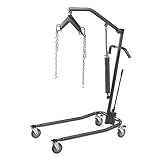 Drive Medical Hydraulic Patient Lift
A full lift is what makes one person able to manage a transfer alone. It is the single purchase that most often delays a move into residential care.
Check price on Amazon →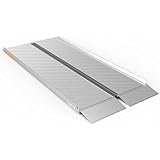 EZ-ACCESS Singlefold Wheelchair Ramp, 6 ft
Folds like a suitcase and carries in a car boot, so the same ramp handles the front step at home and the kerb at an appointment.
Check price on Amazon → Drive Medical Nitro Rollator with Seat
The seat matters more than the wheels. Being able to stop and rest is what decides whether someone still goes out at all.
Check price on Amazon → Vive Stand Assist Rail for Couch or Chair
Getting out of a low sofa is where most falls at home start. This is the cheapest thing on the list and often the first one needed.
Check price on Amazon →As an Amazon Associate we earn from qualifying purchases, at no extra cost to you. Researched guidance, not medical advice. Prices change, so check before buying.
Physical Symptoms to Watch For
Sleep Problems
- Difficulty falling asleep (racing thoughts)
- Waking frequently during the night
- Waking too early and unable to fall back asleep
- Not feeling rested even after sleeping
- Nighttime caregiving duties preventing adequate sleep
- Excessive daytime fatigue
Pain and Tension
- Chronic headaches (tension or migraine)
- Neck and shoulder tension
- Back pain (especially from lifting or transferring)
- Jaw clenching or teeth grinding (TMJ)
- Muscle aches without clear cause
- General body stiffness
Digestive Issues
- Stomach pain or cramping
- Nausea or loss of appetite
- Stress eating or emotional eating
- Irritable bowel symptoms (diarrhea, constipation)
- Heartburn or acid reflux
- Weight changes (gain or loss)
Cardiovascular Symptoms
- Elevated blood pressure
- Heart palpitations or racing heart
- Chest tightness (that should be evaluated)
- Shortness of breath with minor exertion
Immune System Effects
- Getting sick more often (colds, flu)
- Taking longer to recover from illness
- Slow wound healing
- Flare-ups of existing conditions
- New allergies or sensitivities
Other Physical Signs
- Fatigue that doesn't improve with rest
- Low energy throughout the day
- Hair loss
- Skin problems (breakouts, dryness, rashes)
- Decreased libido
- Menstrual changes in women
- Dizziness or lightheadedness
While stress can cause chest tightness and palpitations, these symptoms can also signal serious heart problems. Caregivers are at higher risk for heart disease. Any new or concerning chest symptoms should be evaluated by a doctor, don't assume it's "just stress."
Long-Term Health Risks
Chronic caregiver stress doesn't just cause temporary symptoms, it increases risk of serious conditions:
- Heart disease: Caregivers have twice the rate of coronary heart disease
- High blood pressure: Chronic elevation damages blood vessels
- Depression: Affects 40-70% of caregivers
- Anxiety disorders: Common with constant worry and hypervigilance
- Diabetes: Stress hormones affect blood sugar regulation
- Obesity: Stress eating, lack of time to exercise
- Cognitive decline: Chronic stress affects memory and thinking
- Weakened immunity: Long-term vulnerability to infections
Research shows that caregivers have shorter telomeres, the protective caps on chromosomes that are a biological marker of aging. Caregiver stress literally accelerates aging at the cellular level. On average, caregivers of people with dementia have telomeres equivalent to 9-17 years of additional aging.
Protecting Your Physical Health
Non-Negotiables
These aren't luxuries, they're survival necessities:
- Keep your own medical appointments: Don't cancel because you're too busy caregiving
- Take your medications: Your health conditions don't pause for caregiving
- Get health screenings: Mammograms, colonoscopies, blood pressure checks, don't skip them
- Sleep: Protect at least 6 hours; more if possible. This is when your body repairs itself
Movement and Exercise
- Even 10 minutes of walking helps, don't aim for perfection
- Stretch daily, especially neck, shoulders, and back
- Exercise while caregiving when possible (walks with your parent)
- Movement reduces stress hormones and improves sleep
- Strength training helps with lifting and transferring safely
Nutrition Basics
- Eat regular meals, don't skip because you're busy
- Keep healthy grab-and-go options available
- Stay hydrated (dehydration worsens fatigue and headaches)
- Limit alcohol (it disrupts sleep and worsens depression)
- Watch caffeine intake, especially after noon
Stress Reduction Techniques
- Deep breathing: Even 5 minutes activates the relaxation response
- Progressive muscle relaxation: Systematically tensing and releasing muscles
- Mindfulness: Brief meditations available via apps
- Time outdoors: Nature exposure reduces cortisol
- Social connection: Isolation amplifies stress
- Therapy: Professional support for chronic stress
When stress is overwhelming: Close your eyes. Breathe in for 4 counts, hold for 4, exhale for 6. Repeat 5 times. This activates the parasympathetic nervous system and interrupts the stress response. It won't solve your problems, but it can help you face them.
Sleep: The Foundation
Sleep deprivation underlies most caregiver health problems. When you don't sleep:
- Stress hormones stay elevated
- Inflammation increases
- Immune function drops
- Pain sensitivity increases
- Emotional regulation fails
- Cognitive function declines
Improving Caregiver Sleep
- Get help with night duties: You cannot provide good care while sleep-deprived
- Share nighttime responsibility: Rotate with family members
- Consider overnight care: Even one night weekly makes a difference
- Use monitor systems: Motion sensors, baby monitors let you sleep between actual needs
- Sleep when possible: If your parent naps, you can too
- Create a sleep routine: Same time, wind-down ritual, dark room
- Address anxiety: Racing thoughts at night may need treatment
Back Pain and Physical Strain
Caregiving is physically demanding. Lifting, transferring, bending, and repetitive tasks take a toll.
Prevention
- Use proper body mechanics (bend knees, not back)
- Get transfer training from a physical therapist
- Use assistive devices (gait belts, transfer boards, hoyer lifts)
- Don't lift what you can't safely handle, get help
- Adjust work surfaces to proper heights
- Take breaks from sustained positions
Treatment
- Don't ignore pain, it worsens without attention
- Ice for acute pain; heat for chronic tension
- Gentle stretching and movement help more than bed rest
- See a physical therapist for persistent problems
- Consider massage or chiropractic care
A back injury can sideline you for weeks or months. It's not heroic to lift alone, it's risky. Get the equipment and help you need before you hurt yourself.
When to See a Doctor
Don't dismiss symptoms as "just stress." See a doctor if you have:
- Chest pain or pressure
- Persistent shortness of breath
- Unexplained weight changes (more than 10 pounds)
- Chronic headaches, especially new patterns
- Persistent digestive symptoms
- Symptoms of depression or anxiety that interfere with function
- Inability to sleep despite trying
- Any symptom that worries you
When you see the doctor, tell them you're a caregiver. This context matters. Ask specifically about stress-related symptoms and discuss what support might help.
Airlines tell you to put on your own mask before helping others, because you can't help anyone if you pass out. The same principle applies to caregiving. Prioritizing your health isn't selfish; it's essential to continuing in this role.
Getting Help
Reducing caregiver stress requires more than self-care tips. You need actual reduction in caregiving burden:
- Respite care: Regular breaks from caregiving
- Family help: Divide responsibilities more evenly
- Adult day programs: Structured activities while you work or rest
- Home care aides: Help with daily tasks and supervision
- Support groups: Connection with others who understand
- Therapy: Professional support for anxiety, depression, grief
- Care management: Professionals who coordinate services
If you're experiencing physical symptoms of caregiver stress, this is a sign that something has to change, not that you need to try harder or be stronger. Listen to what your body is telling you.
Take Care of the Caregiver
Our Caregiver Self-Care Workbook helps you track symptoms, plan health maintenance, and identify when you need more support.
Get the Complete Caregiver Kit- Caregiver stress causes real, measurable physical damage
- Common symptoms: sleep problems, pain, digestive issues, frequent illness, fatigue
- Long-term risks include heart disease, depression, accelerated aging
- Sleep is foundational, protect it and get help with night duties
- Keep your own medical appointments and take your medications
- Use proper body mechanics and equipment to prevent injury
- Don't ignore symptoms, see a doctor and tell them you're a caregiver
- Reducing stress requires reducing caregiving burden, not just self-care tips