When your parent has a stroke, life changes in an instant. In the days and weeks that follow, you'll face a steep learning curve about rehabilitation, caregiving, and navigating a healthcare system that moves quickly. Understanding what to expect and how to help can make a significant difference in your parent's recovery and your family's adjustment.
The good news: the brain has remarkable ability to heal and adapt. With proper rehabilitation and support, many stroke survivors regain significant function, though the timeline and extent of recovery vary greatly.
Stroke survivors have higher risk of another stroke. Act F.A.S.T.:
- Face drooping (ask them to smile)
- Arm weakness (can they raise both?)
- Speech difficulty (slurred or confused)
- Time to call 911 immediately
Understanding Stroke Effects
Stroke effects depend on which area of the brain was damaged and how severely.
Common Effects by Stroke Location
| Stroke Location | Possible Effects |
|---|---|
| Left brain | Right-side weakness/paralysis, speech/language problems (aphasia), slow/cautious behavior, memory problems |
| Right brain | Left-side weakness/paralysis, spatial perception problems, impulsive behavior, neglect of left side, vision problems |
| Brainstem | Balance, coordination, swallowing, vision, potentially severe disability |
| Cerebellum | Balance, coordination, dizziness, nausea |
Physical Effects
- Hemiparesis/hemiplegia: Weakness or paralysis on one side of the body
- Spasticity: Tight, stiff muscles that resist movement
- Fatigue: Overwhelming tiredness, often worse than expected
- Swallowing problems (dysphagia): Difficulty eating safely
- Vision changes: Field loss, double vision, perception problems
- Balance problems: Increased fall risk
- Incontinence: Loss of bladder or bowel control
- Pain: Including post-stroke pain syndrome
Cognitive and Communication Effects
- Aphasia: Difficulty speaking, understanding, reading, or writing
- Memory problems: Especially short-term memory
- Attention/concentration: Easily distracted, difficulty focusing
- Problem-solving: Difficulty with planning and reasoning
- Judgment: May make poor decisions or show impulsivity
Emotional Changes
- Depression: Very common after stroke (up to 1 in 3)
- Emotional lability: Crying or laughing uncontrollably, not matching feelings
- Anxiety: Especially about another stroke or falling
- Personality changes: May seem like a different person
- Frustration and anger: Often from loss of independence
Most recovery happens in the first 3-6 months, but improvement can continue for years. The brain continues to adapt and create new pathways. Don't give up on rehabilitation even if progress seems slow.
The equipment that changes the most
Most of what caregiving costs is time. These four are the purchases that reliably buy some of it back, and they are the ones families tell us they wish they had bought sooner.
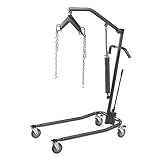 Drive Medical Hydraulic Patient Lift
A full lift is what makes one person able to manage a transfer alone. It is the single purchase that most often delays a move into residential care.
Check price on Amazon →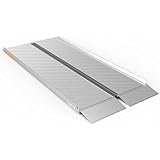 EZ-ACCESS Singlefold Wheelchair Ramp, 6 ft
Folds like a suitcase and carries in a car boot, so the same ramp handles the front step at home and the kerb at an appointment.
Check price on Amazon → Drive Medical Nitro Rollator with Seat
The seat matters more than the wheels. Being able to stop and rest is what decides whether someone still goes out at all.
Check price on Amazon → Vive Stand Assist Rail for Couch or Chair
Getting out of a low sofa is where most falls at home start. This is the cheapest thing on the list and often the first one needed.
Check price on Amazon →As an Amazon Associate we earn from qualifying purchases, at no extra cost to you. Researched guidance, not medical advice. Prices change, so check before buying.
The Rehabilitation Process
Acute Care (Hospital)
In the first days after stroke:
- Stabilization and treatment of the stroke itself
- Monitoring for complications
- Initial evaluation of deficits
- Early rehabilitation begins (even in ICU)
- Discharge planning starts quickly
Inpatient Rehabilitation
For moderate to severe strokes, intensive inpatient rehab (3+ hours of therapy daily):
- Usually 1-3 weeks
- Physical therapy, occupational therapy, speech therapy
- Must be able to participate in intensive program
- Goal: regain function to return home safely
Types of Therapy
| Therapy Type | Focus Areas |
|---|---|
| Physical Therapy (PT) | Walking, balance, strength, transfers, wheelchair use, fall prevention |
| Occupational Therapy (OT) | Daily activities (dressing, bathing, eating), fine motor skills, home safety, adaptive equipment |
| Speech-Language Therapy (SLP) | Speaking, understanding language, swallowing, cognitive-communication |
| Neuropsychology | Cognitive rehabilitation, emotional adjustment, behavior management |
Insurance may try to limit rehabilitation days. Push for the maximum your parent can benefit from. Ask: "What would ideal rehabilitation look like for this patient?" Document functional gains to justify continued therapy.
Transitioning Home
Before Discharge
- Home evaluation: Therapist assesses home for safety modifications needed
- Equipment needs: Wheelchair, walker, shower chair, hospital bed, etc.
- Caregiver training: Learn transfers, medication management, warning signs
- Therapy continuation: Set up outpatient or home health therapy
- Medications: Understand all prescriptions, including blood thinners
- Follow-up appointments: Schedule before discharge
Home Modifications
Common modifications for stroke survivors:
- Bathroom: Grab bars, raised toilet seat, shower bench, handheld showerhead
- Stairs: Railings on both sides, consider stair lift or main-floor bedroom
- Bedroom: Hospital bed if needed, bedside commode
- General: Remove trip hazards, improve lighting, widen doorways if wheelchair needed
- Kitchen: Reorganize for one-handed use, adaptive utensils
Medicare doesn't cover home modifications, but some may be funded through Medicaid waivers, VA benefits, state programs, or nonprofit organizations. Ask the hospital social worker about resources in your area.
Daily Caregiving Tasks
Safe Transfers
Learn proper technique to avoid injuring yourself or your parent:
- Use a gait belt for stability and control
- Move toward their strong side
- Lock wheelchair brakes before transferring
- Use proper body mechanics, bend at knees, not back
- Count together: "1, 2, 3, stand"
- Get hands-on training from physical therapist
Swallowing Safety
If your parent has dysphagia:
- Follow diet texture recommendations strictly (pureed, thickened liquids, etc.)
- Sit upright at 90 degrees during meals
- Small bites, slow pace
- Watch for coughing, choking, wet voice quality
- Stay upright 30 minutes after eating
- Check mouth after meals for pocketed food
Swallowing problems can cause food or liquid to enter the lungs (aspiration), leading to pneumonia. Follow speech therapist recommendations exactly. If coughing increases or fever develops, seek medical attention.
Skin Care
Stroke survivors with limited mobility are at risk for pressure sores:
- Reposition every 2 hours if bedbound
- Check skin daily for redness, especially over bony areas
- Keep skin clean and dry
- Use pressure-relieving mattress and cushions
- Ensure adequate nutrition for skin health
Communication Strategies
If your parent has aphasia (language difficulties):
Helping Them Understand You
- Speak slowly and clearly, using simple sentences
- Give one instruction at a time
- Use gestures and visual cues
- Write key words if helpful
- Allow extra time to process
- Reduce background noise and distractions
Helping Them Express Themselves
- Be patient, don't finish their sentences unless asked
- Offer choices rather than open-ended questions
- Use communication boards or apps
- Watch for non-verbal communication
- Confirm you've understood correctly
- Don't pretend to understand when you don't
Aphasia affects language, not intelligence. Your parent is still the same person inside, they just have difficulty getting words out or understanding them. Treat them with respect and don't talk about them as if they're not there.
Preventing Another Stroke
After one stroke, the risk of another is significant. Prevention is critical.
Medication Adherence
- Blood thinners: Warfarin, aspirin, or newer anticoagulants, take exactly as prescribed
- Blood pressure medications: Hypertension is the biggest stroke risk factor
- Cholesterol medications: Statins reduce stroke risk
- Diabetes medications: Keep blood sugar controlled
Lifestyle Factors
- Blood pressure monitoring: Know their numbers, report elevations
- Diet: Low sodium, heart-healthy eating
- Exercise: As recommended by doctor/therapist
- Smoking cessation: Critical for stroke prevention
- Alcohol: Limit or eliminate
- Regular medical follow-up: Don't miss appointments
If your parent takes warfarin: attend all INR blood tests, watch for bleeding signs, avoid vitamin K fluctuations in diet, and inform all healthcare providers and dentists. Newer blood thinners (Eliquis, Xarelto) require fewer tests but have their own precautions.
Emotional Support and Adjustment
Supporting Your Parent Emotionally
- Acknowledge their losses, independence, abilities, former life
- Encourage participation in decisions about their care
- Celebrate progress, no matter how small
- Maintain social connections; don't let them isolate
- Watch for depression and anxiety, treatable and common
- Consider support groups for stroke survivors
Managing Emotional Lability
If your parent cries or laughs inappropriately (pseudobulbar affect):
- Know it's neurological, not always matching their emotions
- Stay calm; your anxiety makes it worse
- Redirect attention or change topics
- Medication can help if severe
- Explain to visitors so they understand
Long-Term Outlook
Continuing Recovery
Recovery doesn't stop when formal therapy ends:
- Home exercise program: Continue exercises from therapy
- Outpatient therapy: May continue for months
- Community programs: Stroke support groups, adaptive exercise classes
- Constraint-induced therapy: Intensive programs for arm recovery
- Technology: Apps and devices to support ongoing rehabilitation
Realistic Expectations
Recovery varies tremendously. Some people return to near-normal function; others have lasting significant disabilities. Focus on:
- Maximizing function within current abilities
- Quality of life, not just physical recovery
- Meaningful activities and engagement
- Adapting rather than just waiting to "get back to normal"
Track Recovery and Coordinate Care
Our Care Coordination Binder helps you track appointments, medications, therapy progress, and communicate with your parent's care team.
Get the Complete Caregiver KitCaring for Yourself
Stroke caregiving is demanding. Protect your own health:
- Accept help: You can't do this alone
- Respite care: Regular breaks are essential
- Support groups: Connect with other stroke caregivers
- Your own health: Don't neglect medical appointments
- Set limits: It's okay to have boundaries
- Grieve: You've lost the parent you knew; that loss is real
- Stroke effects vary by location and severity; learn what to expect for your parent
- Rehabilitation is critical, push for adequate therapy
- Home modifications and equipment make caregiving safer
- Learn proper techniques for transfers, feeding, and communication
- Preventing another stroke through medication and lifestyle is essential
- Emotional changes are common and treatable
- Recovery continues beyond formal therapy, maintain exercise and engagement
- Take care of yourself too