Cataracts in Elderly Parents: What to Expect
Your parent's vision is getting cloudy. Colors look faded. Night driving is difficult. Cataracts are extremely common in elderly people, by age 80, more than half of Americans have had cataracts or cataract surgery. The good news: cataract surgery is one of the safest, most effective surgeries performed today.
Cataracts aren't a disease, they're a natural part of aging. The lens of the eye becomes cloudy over time. Everyone who lives long enough will develop cataracts to some degree.
Recognizing Cataracts
Common Symptoms
- Cloudy, blurry, or dim vision
- Difficulty seeing at night
- Sensitivity to light and glare
- Seeing halos around lights
- Fading or yellowing of colors
- Double vision in one eye
- Frequent prescription changes for glasses
- Needing brighter light to read
How Cataracts Progress
- Usually develop slowly over years
- May affect one eye more than the other
- Eventually interfere with daily activities
- Can contribute to falls and accidents
As an Amazon Associate, we earn from qualifying purchases.
Recommended Vision Care Products
 Large Print Books for Seniors Easier reading for those with vision changes
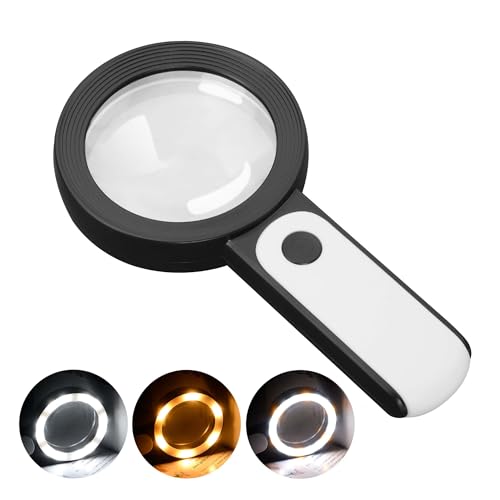 LED Magnifying Glass Helps with reading and close-up tasks
 Motion-Sensor Night Lights Prevent falls in low light conditions
 Weekly Pill Organizer Easy to see and manage eye drop medications
When Is Surgery Needed?
Surgery isn't always immediate. The decision depends on:
- How much the cataracts affect daily life
- Impact on driving, reading, recognizing faces
- Safety concerns (falls, accidents)
- Whether glasses can still help
Surgery is typically recommended when cataracts interfere with your parent's ability to do the things they want or need to do. This is a personal decision based on their lifestyle and needs.
Understanding Cataract Surgery
The Procedure
- Outpatient surgery (no hospital stay)
- Takes about 15-30 minutes per eye
- Usually done with local anesthesia (awake but numb)
- Cloudy lens is removed and replaced with clear artificial lens
- One eye at a time, usually weeks apart
Types of Lens Implants
- Standard monofocal lens: Clear vision at one distance (usually far). May still need reading glasses. Covered by Medicare.
- Premium lenses: May reduce need for glasses (multifocal, toric for astigmatism). Not covered by Medicare, extra cost.
Laser-Assisted vs. Traditional
- Both are safe and effective
- Laser-assisted may offer some precision advantages
- Laser option often costs more out of pocket
- Outcomes are similar for most patients
Medicare covers standard cataract surgery and basic lens implants. Premium lenses, laser-assisted surgery, and other upgrades typically cost $1,000-$4,000 extra per eye. Make sure your parent understands what's included and what costs extra.
Preparing for Surgery
Before the Procedure
- Eye measurements taken to select proper lens
- Review of all medications
- May need to stop certain medications (blood thinners, ask doctor)
- Antibiotic eye drops may be started before surgery
- No eating or drinking after midnight (usually)
- Arrange transportation, they cannot drive after
Day of Surgery
- Plan to be at the surgery center 1-2 hours
- Eye is numbed with drops or injection
- Mild sedation may be given
- They'll be awake but shouldn't feel pain
- Eye patch or shield placed after
- Can usually go home within an hour of surgery
Recovery Timeline
Day 1: Surgery Day
- Rest at home after surgery
- Vision may be blurry initially
- Eye may feel scratchy or irritated
- Use prescribed eye drops
- Wear protective shield, especially during sleep
Days 2-7: Early Recovery
- Follow-up appointment within 1-2 days
- Vision starts improving
- Continue eye drops as prescribed
- No rubbing or pressing on eye
- Avoid bending over, heavy lifting
- Shower carefully, keep water out of eye
Weeks 2-4: Continued Healing
- Vision continues to improve
- Gradually resume normal activities
- Continue drops as directed
- May be cleared for driving
- Second eye surgery often scheduled during this time
4-8 Weeks: Full Recovery
- Eye fully healed
- New glasses prescription if needed
- Full activities resumed
- Final vision achieved
Post-Surgery Care
Eye Drops Are Critical
Your parent will need to use several types of eye drops:
- Antibiotic drops: Prevent infection
- Steroid drops: Reduce inflammation
- NSAID drops: May also be prescribed
This can be confusing for elderly patients. Consider:
- Creating a chart or schedule
- Setting alarms
- Helping administer drops yourself
- Using a pill organizer system for eye drops
Activity Restrictions
- No driving until cleared by doctor
- No swimming or hot tubs for several weeks
- No heavy lifting (over 10-20 lbs)
- No bending at waist with head below heart
- No eye rubbing
- Wear sunglasses outdoors
Special Considerations for Elderly
Dementia Patients
- Surgery is still possible but requires more planning
- Discuss with surgeon and anesthesiologist
- May need more sedation
- Post-op drop regimen may be challenging
- Weigh benefits against risks and stress
Patients with Other Eye Conditions
- Macular degeneration: Cataract surgery can still help, but won't fix AMD
- Glaucoma: Often done together or may be combined procedure
- Diabetic retinopathy: May need treatment before or after cataract surgery
What Can Go Wrong?
Complications are rare but possible:
- Infection: Very rare but serious
- Swelling: Usually resolves with drops
- Retinal detachment: Rare, requires treatment
- Posterior capsule opacity (PCO): Clouding behind the lens, common, easily treated with laser
- Lens dislocation: Rare
- Sudden decrease in vision
- Increasing pain not relieved by over-the-counter medication
- Increasing redness
- Flashing lights or new floaters
- Nausea or vomiting
Insurance Coverage
What Medicare Covers
- The surgery itself
- Standard monofocal lens implant
- Pre- and post-operative care
- One pair of glasses or contacts after surgery
What You May Pay
- 20% coinsurance (unless you have supplemental insurance)
- Premium lens upgrades (not covered)
- Laser-assisted surgery upgrades (usually not covered)
- Facility fees may have copays
The Second Eye
Most people have cataracts in both eyes. The second surgery:
- Usually done 2-4 weeks after the first
- Same preparation and recovery process
- May seem easier since you know what to expect
- Brain adjusts to the new vision between surgeries
Emergency Contact Card
Keep important medical information organized for appointments and emergencies.
Get Card