Why Compression Stockings Matter
Compression stockings (also called compression socks or support hose) apply graduated pressure to the legs, with the tightest pressure at the ankle and decreasing pressure moving up the leg. This helps blood flow upward toward the heart, counteracting the effects of gravity and weakened vein valves.
When veins become less efficient at returning blood to the heart, blood pools in the lower legs. This causes swelling, discomfort, and can lead to serious problems like blood clots. Compression stockings squeeze the veins, helping them work more efficiently and reducing swelling.
The equipment that changes the most
Most of what caregiving costs is time. These four are the purchases that reliably buy some of it back, and they are the ones families tell us they wish they had bought sooner.
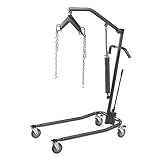 Drive Medical Hydraulic Patient Lift
A full lift is what makes one person able to manage a transfer alone. It is the single purchase that most often delays a move into residential care.
Check price on Amazon →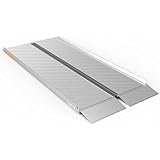 EZ-ACCESS Singlefold Wheelchair Ramp, 6 ft
Folds like a suitcase and carries in a car boot, so the same ramp handles the front step at home and the kerb at an appointment.
Check price on Amazon → Drive Medical Nitro Rollator with Seat
The seat matters more than the wheels. Being able to stop and rest is what decides whether someone still goes out at all.
Check price on Amazon → Vive Stand Assist Rail for Couch or Chair
Getting out of a low sofa is where most falls at home start. This is the cheapest thing on the list and often the first one needed.
Check price on Amazon →As an Amazon Associate we earn from qualifying purchases, at no extra cost to you. Researched guidance, not medical advice. Prices change, so check before buying.
When Are Compression Stockings Prescribed?
Common reasons elderly patients may need compression stockings:
- Chronic venous insufficiency: Weak vein valves causing leg swelling, aching, and skin changes
- Leg swelling (edema): From various causes including heart failure or prolonged sitting
- Varicose veins: Bulging, twisted veins that can cause discomfort
- After DVT (deep vein thrombosis): To prevent post-thrombotic syndrome
- DVT prevention: During hospitalization, after surgery, or for high-risk patients
- Lymphedema: Fluid buildup often after cancer treatment
- Long travel: To prevent blood clots on flights or long car rides
Types and Compression Levels
Compression Levels (Measured in mmHg)
| Level | Pressure | Common Uses | Prescription? |
|---|---|---|---|
| Light | 8-15 mmHg | Minor swelling, tired legs, travel | Over-the-counter |
| Moderate | 15-20 mmHg | Minor to moderate swelling, varicose veins, travel | Over-the-counter |
| Firm | 20-30 mmHg | Moderate to severe swelling, varicose veins, DVT prevention, post-surgery | May require prescription |
| Extra Firm | 30-40 mmHg | Severe swelling, post-DVT, severe venous insufficiency, lymphedema | Usually prescribed |
| RX Strength | 40-50+ mmHg | Severe lymphedema, severe venous disease | Prescription only |
Higher compression isn't automatically better. Too much compression can cut off circulation, especially in patients with peripheral artery disease (PAD). The doctor will prescribe the appropriate level based on your parent's condition. Never increase compression without medical guidance.
Stocking Lengths
- Knee-high: Most common; easier to put on; adequate for many conditions
- Thigh-high: Needed when swelling extends above the knee; more difficult to keep up
- Pantyhose/Waist-high: For swelling or venous issues involving both legs; can be challenging for toileting
Contraindications: When NOT to Use
- Peripheral artery disease (PAD): Poor arterial circulation; compression can worsen blood flow
- Severe peripheral neuropathy: May not feel if stocking is too tight
- Skin conditions: Open wounds, weeping dermatitis, severe skin fragility
- Acute DVT: Until treated and stabilized (doctor will advise)
- Congestive heart failure: May need medical clearance first
The doctor should assess whether compression is appropriate before starting, especially checking for adequate arterial blood flow (often using ankle-brachial index testing).
Getting the Right Size
Proper sizing is critical. Stockings that are too small won't go on; those too large won't provide adequate compression.
How to Measure
- Measure in the morning: Before swelling accumulates
- Ankle circumference: At the narrowest point above the ankle bone
- Calf circumference: At the widest point of the calf
- Leg length: From floor to knee crease (for knee-high) or to top of thigh (for thigh-high)
For prescription compression (20 mmHg and above), professional fitting is ideal. Medical supply stores, specialized pharmacies, and wound care clinics can measure and fit correctly. Some offer custom stockings for unusual leg shapes.
How to Put On Compression Stockings
This is often the biggest challenge. Compression stockings are deliberately tight and can be difficult to get on, especially for elderly patients with limited hand strength or mobility.
Step-by-Step Technique
Donning Aids
Many devices can make application easier:
- Stocking donners: Frame devices that hold the stocking open while you slide your foot in
- Rubber gloves: Improve grip for pulling up the stocking
- Silk liners: Worn under compression stockings to reduce friction
- Application powder: Helps stockings slide on more easily
- Heel guides: Help position the stocking correctly on the foot
For elderly patients who struggle to put on compression stockings, a good donning aid is worth the investment. Devices like the Jobst Stocking Donner or similar products can make independent application possible. Home health aides can also help with daily application.
Removal Tips
- Remove at bedtime unless otherwise directed
- Roll down from the top rather than pulling off
- Rubber gloves help grip the material
- Some donning aids also help with removal
Daily Care and Maintenance
Wearing Schedule
- Put on in the morning before getting out of bed or shortly after
- Wear all day unless doctor advises otherwise
- Remove at bedtime (compression usually not needed when lying flat)
- Check skin daily for irritation, redness, or marks
Washing
- Have at least 2 pairs so one can be worn while the other is washed
- Hand wash or machine wash on gentle cycle
- Use mild soap; avoid fabric softeners (they break down elastic)
- Air dry or tumble dry on low; don't use high heat
- Don't wring out
- Replace every 3-6 months or when compression noticeably decreases
Common Problems and Solutions
| Problem | Possible Cause | Solution |
|---|---|---|
| Can't get them on | Wrong size, swelling, technique | Remeasure, apply earlier in day, use donning aid, try open-toe style |
| Roll down or slip | Wrong size, weight of fabric | Try thigh-high with silicone band, garter belt, or different brand |
| Uncomfortable/tight band | Wrong size, folding at top | Ensure proper positioning, check for rolling, may need different size |
| Skin irritation | Fabric sensitivity, pressure | Try cotton-lined version, check for proper fit, apply lotion at night (dry before wearing) |
| Toe numbness | Too tight at ankle | Wrong size, needs remeasurement, possible PAD (consult doctor) |
| Bunching behind knee | Stocking too long | Try petite length, fold top down slightly (if doctor approves) |
Compression Stockings After DVT
Patients who have had a deep vein thrombosis (blood clot) are often prescribed compression stockings to prevent post-thrombotic syndrome (PTS), chronic swelling, pain, and skin changes in the affected leg.
- Usually 30-40 mmHg compression prescribed
- May need to wear for 2 years or indefinitely
- Significantly reduces risk of PTS
- Should be fitted once acute swelling has resolved
When to Call the Doctor
- Increased pain, swelling, or skin changes despite compression
- Numbness or tingling in toes
- Color changes in feet (blue, white, or mottled)
- New wounds or skin breakdown
- Signs of infection (redness, warmth, fever)
- Stocking consistently leaves deep marks or causes pain
Insurance Coverage
Coverage varies:
- Medicare: Generally does not cover compression stockings
- Some Medicare Advantage plans: May offer coverage
- Private insurance: May cover with prescription and documentation of medical necessity
- FSA/HSA: Usually eligible expenses
Quality compression stockings typically cost $30-80 per pair. Given the need for at least 2 pairs and replacement every 3-6 months, this adds up. However, the benefits often outweigh costs for patients who truly need them. Some medical supply companies offer discounts for multiple pairs.
Caregiver Tips
Making It Routine
- Build into the morning routine, right after dressing
- Keep stockings by the bedside
- Have donning aids readily accessible
- Consider home health aide assistance if struggling
Encouraging Compliance
- Explain why compression helps (reduces swelling, prevents complications)
- Acknowledge the difficulty, validate their frustration
- Celebrate when swelling improves
- Try different styles (open-toe may be easier)
Track Daily Care Tasks
Our caregiving resources help you establish routines and track compliance with compression therapy.
Explore Our ResourcesRelated Resources
- Heart Failure in Elderly
- Fall Prevention
- Mobility Aids Guide
- Physical Therapy
- Best Compression Socks for Elderly 2026
Compression stockings can be challenging, especially at first. But with proper technique, the right aids, and persistence, most elderly patients can successfully use them. The reduction in swelling, improved comfort, and prevention of serious complications make the effort worthwhile.