COPD in Elderly Parents: A Caregiver's Guide
Chronic Obstructive Pulmonary Disease (COPD) is the third leading cause of death in the United States. If your parent has COPD, understanding how to manage daily symptoms and prevent dangerous exacerbations is essential for keeping them safe and comfortable.
Call 911 immediately if your parent has: severe shortness of breath (can't speak in sentences), blue/gray lips or fingernails, confusion or altered consciousness, or rapid deterioration despite rescue inhaler.
Understanding COPD
COPD is a group of lung diseases that block airflow and make breathing difficult:
- Emphysema: Damage to the air sacs in the lungs
- Chronic bronchitis: Inflammation of the bronchial tubes with excess mucus
Most people with COPD have elements of both. The damage is permanent and progressive, but proper management slows progression and improves quality of life.
As an Amazon Associate, we earn from qualifying purchases.
Recommended COPD Care Products
 Pulse Oximeter Monitor oxygen levels at home
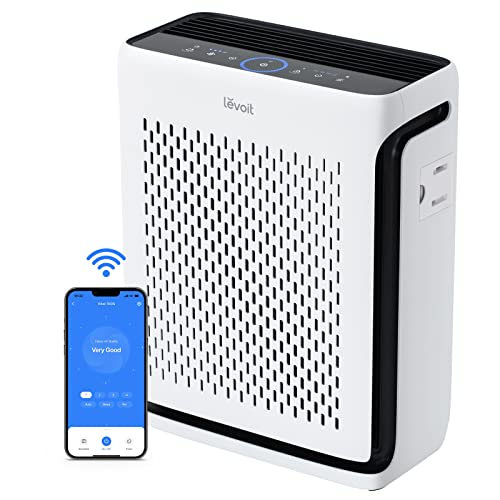 Air Purifier with HEPA Filter Improve indoor air quality
 Weekly Pill Organizer Manage respiratory medications
 Medical Alert System Emergency help for breathing emergencies
COPD Stages (GOLD Classification)
Stage 1: Mild
What you'll see: Mild breathlessness with exertion. May not notice symptoms or attribute to aging.
Care focus: Smoking cessation if applicable, vaccinations, start pulmonary rehab, establish medication routine.
Stage 2: Moderate
What you'll see: Increased breathlessness. Coughing and mucus production. Symptoms affect daily activities.
Care focus: Regular bronchodilator use, activity pacing, energy conservation, monitoring for exacerbations.
Stage 3: Severe
What you'll see: Significant shortness of breath. Limited activity tolerance. Frequent exacerbations. May need oxygen.
Care focus: Oxygen therapy management, prevent infections, help with daily activities, advance care planning.
Stage 4: Very Severe
What you'll see: Severe airflow limitation. Breathless at rest. Quality of life significantly impacted. May be life-threatening.
Care focus: Comfort measures, hospice consideration, full assistance with care, prevent hospitalizations.
Managing Medications
Common COPD Medications
- Rescue inhaler (SABA): Albuterol, for quick relief of sudden symptoms
- Long-acting bronchodilators (LABA/LAMA): Daily maintenance inhalers
- Inhaled corticosteroids: Reduce inflammation (often combined with LABA)
- Nebulizer treatments: For those who can't use inhalers effectively
- Oral steroids: Prednisone during exacerbations
- Antibiotics: For bacterial infections
Many elderly patients use inhalers incorrectly, getting little medication to their lungs. Ask a pharmacist or respiratory therapist to demonstrate proper technique. A spacer device can help significantly.
Oxygen Therapy
If your parent uses supplemental oxygen:
Safety Rules
- No smoking anywhere near oxygen: extreme fire risk
- Keep oxygen at least 10 feet from open flames, stoves, candles
- No petroleum products (Vaseline, oil-based lotions) near nose
- Ensure adequate ventilation
- Post "No Smoking/Oxygen in Use" signs
Daily Management
- Keep backup oxygen supply (portable tanks)
- Clean nasal cannula daily with mild soap
- Replace cannula every 2-4 weeks
- Check humidifier bottle water level
- Know how to read flow meter and adjust as prescribed
- Have oxygen company's 24/7 emergency number
Preventing Exacerbations
Exacerbations (flare-ups) are dangerous and can cause permanent lung damage:
Prevention Strategies
- Vaccinations: Annual flu shot, pneumonia vaccines, COVID boosters
- Avoid sick people: Stay away from anyone with colds or respiratory infections
- Hand hygiene: Frequent handwashing, sanitizer
- Avoid triggers: Smoke, air pollution, dust, strong fumes
- Monitor air quality: Stay inside on poor air quality days
- Take medications as prescribed: Don't skip maintenance inhalers
Signs of Exacerbation
- Increased shortness of breath
- More coughing or change in cough
- Change in sputum (more, thicker, different color)
- Increased fatigue
- Fever
- Confusion (sign of low oxygen)
Work with your parent's doctor to create a written action plan: what symptoms to watch for, when to increase medications, when to call the doctor, when to go to the ER.
Daily Living with COPD
Energy Conservation
- Plan activities for when energy is highest (usually morning)
- Rest before and after activities
- Sit for tasks when possible (showering, dressing, cooking)
- Use a rolling cart to transport items
- Break tasks into smaller steps
- Avoid arm movements above shoulder height
Breathing Techniques
- Pursed lip breathing: Breathe in through nose (2 counts), out through pursed lips (4 counts)
- Diaphragmatic breathing: Breathe deep into belly, not chest
- Breathing during activity: Exhale during exertion (pushing, lifting)
Nutrition
- Small, frequent meals (large meals press on diaphragm)
- Eat slowly, rest during meals if needed
- Adequate protein for muscle maintenance
- Limit salt (can cause fluid retention)
- Stay hydrated (helps thin mucus)
- Avoid gas-producing foods (bloating presses on lungs)
Emotional Support
COPD significantly impacts mental health:
- Anxiety: Very common, breathlessness causes panic, panic worsens breathlessness
- Depression: Affects up to 40% of COPD patients
- Social isolation: May avoid activities due to symptoms or embarrassment
- Fear: Worry about next exacerbation, running out of breath
Encourage pulmonary rehabilitation, it includes education, exercise, and psychosocial support.
When to Seek Medical Care
Call the Doctor
- Increased breathlessness not relieved by rescue inhaler
- Change in sputum color (yellow/green) or amount
- Fever
- Swelling in legs or ankles
- Increased fatigue
- New or worsening symptoms
Call 911 or Go to ER
- Severe shortness of breath
- Can't speak in full sentences
- Blue or gray lips/fingernails
- Confusion or lethargy
- Rapid breathing that doesn't slow
- No improvement with rescue medications
End-Stage COPD
As COPD progresses to end-stage:
- Discuss goals of care and advance directives
- Consider palliative care for symptom management
- Hospice is appropriate when life expectancy is 6 months or less
- Focus on comfort and quality of life
- Prepare for increased care needs