CPAP for Elderly Parents with Sleep Apnea: Making It Work
Your parent has been diagnosed with sleep apnea and prescribed a CPAP machine. They tried it once, said they couldn't sleep with it, and now it's gathering dust in the closet. Sound familiar? You're not alone, up to 50% of people prescribed CPAP don't use it consistently.
But untreated sleep apnea in elderly people is dangerous: it increases risk of heart attack, stroke, cognitive decline, falls, and car accidents. The good news is that with patience, proper fitting, and troubleshooting, most people can learn to use CPAP successfully. This guide helps you help your parent.
Sleep apnea causes the airway to collapse repeatedly during sleep, stopping breathing sometimes hundreds of times per night. Each pause drops oxygen levels and stresses the heart. In elderly, untreated sleep apnea worsens heart disease, AFib, hypertension, diabetes, and may accelerate cognitive decline.
Understanding CPAP Therapy
CPAP (Continuous Positive Airway Pressure) works by delivering a steady stream of pressurized air through a mask, keeping the airway open during sleep. It doesn't breathe for your parent, it simply prevents the airway from collapsing.
Types of PAP Therapy
- CPAP: Delivers constant pressure all night. Most common prescription.
- APAP (Auto-CPAP): Automatically adjusts pressure throughout the night based on need. Many find this more comfortable.
- BiPAP: Different pressures for inhaling and exhaling. Prescribed for those who can't tolerate CPAP or have other conditions.
Benefits When Used Consistently
- Reduced daytime sleepiness and fatigue
- Improved concentration and memory
- Lower blood pressure
- Reduced heart disease and stroke risk
- Better blood sugar control
- Improved mood
- Safer driving
- Better sleep for bed partner (no snoring)
Most people need 2-4 weeks to adjust to CPAP. The first few nights are the hardest. Encourage your parent to persist, it does get easier, and the benefits are significant.
The equipment that changes the most
Most of what caregiving costs is time. These four are the purchases that reliably buy some of it back, and they are the ones families tell us they wish they had bought sooner.
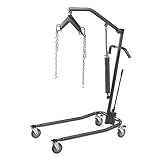 Drive Medical Hydraulic Patient Lift
A full lift is what makes one person able to manage a transfer alone. It is the single purchase that most often delays a move into residential care.
Check price on Amazon →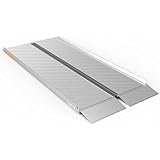 EZ-ACCESS Singlefold Wheelchair Ramp, 6 ft
Folds like a suitcase and carries in a car boot, so the same ramp handles the front step at home and the kerb at an appointment.
Check price on Amazon → Drive Medical Nitro Rollator with Seat
The seat matters more than the wheels. Being able to stop and rest is what decides whether someone still goes out at all.
Check price on Amazon → Vive Stand Assist Rail for Couch or Chair
Getting out of a low sofa is where most falls at home start. This is the cheapest thing on the list and often the first one needed.
Check price on Amazon →As an Amazon Associate we earn from qualifying purchases, at no extra cost to you. Researched guidance, not medical advice. Prices change, so check before buying.
Choosing the Right Mask
Mask fit and comfort are the most important factors in CPAP success. There are three main types:
Nasal Mask
Covers: The nose only
Pros: Smaller than full-face; good seal; works for side sleepers; many styles available
Cons: Doesn't work for mouth breathers; can cause nasal dryness; blocked nose = no therapy
Best for: Nose breathers who don't need high pressures
Nasal Pillow Mask
Covers: Nostrils only with small cushions that sit at the nose opening
Pros: Minimal face contact; less claustrophobic; good for glasses/reading before bed; lightweight
Cons: Not for very high pressures; can cause nostril irritation; not for mouth breathers
Best for: People who feel claustrophobic with larger masks; low to moderate pressures
Full-Face Mask
Covers: Nose and mouth
Pros: Works for mouth breathers; allows breathing through either nose or mouth; good for higher pressures
Cons: Larger; can feel more claustrophobic; may be harder to seal; can cause skin irritation
Best for: Mouth breathers; those with nasal congestion; higher pressure needs
A poor-fitting mask leads to leaks, discomfort, and abandonment. The CPAP supplier should fit the mask carefully and allow exchanges if the first choice doesn't work. Many suppliers offer 30-day trials. It may take trying several masks to find the right one.
Common Problems and Solutions
- Practice wearing the mask while awake, reading or watching TV
- Use "ramp" feature that starts low and gradually increases pressure
- Consider a machine with "EPR" or pressure relief that lowers pressure during exhale
- Start with just 1-2 hours, gradually increasing
- Put it on when already very sleepy
- Try a different mask size or style
- Adjust straps, snug but not too tight
- Lie in sleep position when fitting mask
- Replace cushions regularly (they wear out)
- Consider mask liners to improve seal
- Use the heated humidifier, essential for most people
- Increase humidity level
- Use heated tubing to prevent rainout (water in tube)
- Try saline nasal spray before bed
- See doctor if chronic congestion, may need treatment
- Often improves with time, brain learns to leave it on
- Check for mask leak or discomfort causing subconscious removal
- Consider chin strap if mouth-opening is the issue
- Try wearing it during a nap first
- Set an alarm to check if mask is on (temporary)
- Try nasal pillows, minimal face coverage
- Practice wearing mask while awake with eyes open
- Start with machine off, just wearing the mask
- Use relaxation techniques before putting on mask
- Consider a less confining mask style
- Use ramp feature to start at low pressure
- Ask about APAP which adjusts automatically
- Request EPR (expiratory pressure relief) if available
- Contact the sleep doctor, pressure may need adjustment
- Usually indicates mouth breathing with nasal mask
- Try a chin strap to keep mouth closed
- Switch to a full-face mask
- Increase humidification
- Check for mask leaks (whistling sound)
- Newer machines are very quiet, may need newer model
- Place machine on carpet or towel to reduce vibration
- White noise machine can mask any sound
Helping with Daily CPAP Care
Daily Care (Essential)
- Morning: Empty any water from the humidifier chamber
- Wipe mask cushion with a damp cloth (removes facial oils)
- Let mask air dry on a clean surface
Weekly Care
- Wash mask, headgear, and tubing in warm soapy water (mild soap)
- Wash humidifier chamber with soap and water
- Rinse thoroughly and let air dry
- Inspect for wear, cracks, or damage
Replace Parts Regularly
- Mask cushion: Monthly (silicone degrades and loses seal)
- Mask frame: Every 3 months
- Headgear: Every 6 months
- Tubing: Every 3-6 months
- Filters: Monthly (disposable) or every 6 months (reusable)
- Humidifier chamber: Every 6 months
Most insurance, including Medicare, covers replacement supplies on a regular schedule. The CPAP supplier should contact your parent to resupply automatically. Make sure they're receiving replacements, old supplies cause problems.
Special Considerations for Elderly
Cognitive Impairment
For parents with dementia or memory issues:
- CPAP may still be beneficial but requires more caregiver involvement
- Simplify the routine as much as possible
- Set up and clean the equipment for them
- Consider machines with simple one-button operation
- They may need help putting on the mask each night
- Accept that compliance may be imperfect
Physical Limitations
- Arthritis: Choose masks with easy-to-grip headgear clips; magnetic clips are helpful
- Poor vision: Label controls with large print or tactile markers
- Tremor: Stable table for machine; practice assembly during the day
Living Situations
- Care facility: Ensure staff are trained and willing to help with CPAP
- Home with spouse: Spouse can help with nightly setup; quieter is better
- Alone: Simpler is better; consider telehealth monitoring
CPAP requires electricity. Consider a battery backup for power outages, especially if your parent has severe sleep apnea. Some machines have battery options available. At minimum, they should know to sleep with head elevated during outages.
Traveling with CPAP
- Airlines: CPAP is medical equipment and doesn't count against carry-on limits. Always carry on, never check.
- TSA: CPAP machines and supplies are allowed through security. Remove from bag for separate screening.
- International: Check voltage requirements, may need adapter or travel machine
- Distilled water: May be hard to find; some use bottled water temporarily (clean chamber extra well)
- Travel machines: Smaller, lighter versions are available
When CPAP Isn't Working
If your parent has tried CPAP genuinely and consistently but it's not working despite troubleshooting:
Alternative Treatments
- Oral appliances: Dental devices that reposition the jaw to keep the airway open. Work for mild to moderate apnea. Must be fitted by a dentist trained in sleep medicine.
- Positional therapy: For some, apnea occurs mainly when sleeping on back. Devices that prevent back sleeping may help.
- Weight loss: For overweight patients, losing even 10% of body weight can significantly improve apnea.
- Surgery: Various procedures to remove tissue or reposition structures. Usually last resort.
- Inspire therapy: Implantable nerve stimulator for those who can't use CPAP. Requires surgery.
Don't Give Up
Before abandoning CPAP, try:
- Different mask styles (try at least 2-3)
- Working with a CPAP coach or respiratory therapist
- Sleep doctor consultation for pressure adjustment
- APAP if using CPAP
- BiPAP if CPAP isn't tolerated
Track CPAP Usage and Sleep Quality
Our Care Coordination Binder helps you monitor your parent's CPAP compliance, track sleep quality, and keep equipment maintenance on schedule.
Get OrganizedMonitoring and Follow-Up
Modern CPAP Data Tracking
Most newer CPAP machines track usage data including:
- Hours of use per night
- Mask leak levels
- Apnea-hypopnea index (AHI), events per hour
- Pressure levels used
This data can be viewed on the machine, through an app, or by the sleep doctor via cloud connection.
What Good Compliance Looks Like
- Medicare requirement: Used at least 4 hours/night, at least 70% of nights
- Ideal: Used every night for the full sleep period
- AHI goal: Under 5 events/hour (normal is under 5)
Follow-Up Appointments
- Usually 1-3 months after starting CPAP
- Review of usage data and symptoms
- Pressure adjustments if needed
- Annually thereafter if stable
Key Takeaways
- Mask fit is everything: try different types until one works
- Use the humidifier: prevents dryness that leads to giving up
- Give it time: adjustment takes 2-4 weeks minimum
- Clean equipment regularly: dirty equipment causes problems
- Replace parts on schedule: old parts fail and reduce effectiveness
- Use ramp feature: easier to fall asleep
- Contact supplier for help: that's what they're there for
- Don't give up: untreated sleep apnea has serious health consequences
CPAP therapy can be life-changing for elderly patients with sleep apnea. Better sleep means better days, more energy, clearer thinking, and reduced health risks. With patience, proper fitting, and troubleshooting, most people can use CPAP successfully. Your support as a caregiver makes a real difference.