Dementia Wandering: Prevention & Safety
Your mother woke up at 3 AM, got dressed, and walked out the front door. Or your father keeps trying to "go to work" at a job he retired from 20 years ago. Wandering is one of the most dangerous behaviors in dementia, and one of the most common.
6 in 10 people with dementia will wander. If not found within 24 hours, up to half will suffer serious injury or death. Prevention is essential.
Why Do People with Dementia Wander?
Understanding the "why" can help prevent wandering:
- Confusion about time: They think they need to be somewhere (work, pick up kids)
- Looking for something/someone: Searching for a deceased spouse or past home
- Restlessness: Needing to move, excess energy, boredom
- Discomfort: Trying to escape pain, hunger, need to use bathroom
- Fear or anxiety: Feeling lost even at home, trying to get to safety
- Past routines: Muscle memory from decades of daily habits
- Getting lost: Went out intentionally but couldn't find way back
As an Amazon Associate, we earn from qualifying purchases.
Recommended Wandering Prevention Products
 GPS Tracker with Fall Detection Real-time location tracking to find loved ones quickly if they wander
 Door Alarm with Delay Alerts you when exterior doors open to prevent unsupervised exits
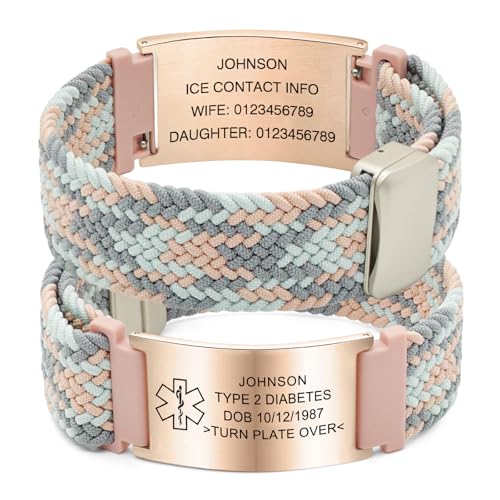 Medical ID Bracelet with Engraving Identification and emergency contact info if they become lost
 Motion Sensor Night Lights (6-Pack) Illuminates paths to reduce nighttime confusion and wandering
Warning Signs Someone May Wander
- Returns from regular walks or drives later than usual
- Forgets how to get to familiar places
- Talks about past obligations (going to work, picking up children)
- Tries to "go home" when already home
- Paces or makes repetitive movements
- Asks where people are who aren't there
- Seems restless or anxious, especially in late afternoon
- Has difficulty finding bedroom, bathroom, or familiar rooms
Home Safety Modifications
Secure All Exits
- Install locks out of sight (very high or low) or use childproof covers
- Add door alarms or motion sensors that chime when doors open
- Consider a door mat alarm that sounds when stepped on
- Use deadbolts that require a key on both sides (ensure fire safety)
- Disguise doors with murals, curtains, or STOP signs
Reduce Triggers
- Keep coats, hats, purses, and keys out of sight
- Hide car keys (consider disabling the car)
- Cover door handles or use lever handle covers
- Place dark mats in front of doors (can appear as holes to those with dementia)
- Keep shoes near the bedroom, not by the door
Install Monitoring
- Motion-sensor lights in hallways
- Baby monitors or cameras in bedroom and main areas
- Bed sensors that alert you when they get up
- Smart home devices that notify you of unusual activity
Create Safe Wandering Space
- Fence the yard completely (no gaps)
- Create a safe, enclosed walking path
- Add secure outdoor seating areas
- Let them wander safely indoors with clear pathways
GPS Tracking Devices
GPS devices can help locate your parent if they wander. Options include:
- GPS watches: Look like regular watches, can call and track location
- GPS shoe inserts: Hidden, can't be removed easily
- GPS pendants: Worn around neck, includes SOS button
- Smartphone apps: If they carry a phone
- AirTags/Tiles: Can be hidden in clothing or accessories
GPS devices only work if they're worn/carried. Many people with dementia remove watches or jewelry. Consider devices that can be sewn into clothing or hidden in shoes.
Daily Strategies to Prevent Wandering
- Maintain routines: Predictable schedules reduce anxiety
- Provide meaningful activities: Boredom triggers wandering
- Ensure basic needs are met: Hunger, thirst, bathroom needs, temperature
- Encourage exercise: Walking together, physical activity reduces restlessness
- Monitor for sundowning: Wandering often increases in late afternoon
- Address anxiety: Reassure them, play calming music, reduce stimulation
- Supervise closely: Never leave them alone in unfamiliar places
If They Try to Leave
When your parent insists on going somewhere:
- Don't argue. You won't win, and it increases agitation
- Enter their reality: "I'll drive you there. Let's have a snack first."
- Redirect: Offer a meaningful activity or walk together
- Address the need: What are they really looking for? Safety? Purpose?
- Go outside together: A supervised walk may satisfy the urge
Prepare for the Worst: If They Go Missing
Before It Happens
- Keep a recent photo available
- Note their height, weight, distinguishing features
- Register with MedicAlert + Alzheimer's Association Safe Return program
- Notify local police that someone with dementia lives in your home
- Have an ID bracelet on them at all times
- Know their past addresses and places of importance
If They Go Missing
- Search immediately. Check the house, yard, garage, car first
- Call 911. Don't wait. Tell them the person has dementia
- Search nearby. They often go to familiar places, previous homes, work
- Check dangerous areas: Bodies of water, busy roads, construction sites
- Call Safe Return: 1-800-625-3780
- Alert neighbors and businesses
- Use social media to spread the word with photo
People with dementia often travel in the direction of their dominant hand (right-handed = tend to go right). They often walk until stopped by a barrier. Check bushes, cars, and outbuildings, they may try to hide.
When Home Is No Longer Safe
Consider memory care or increased supervision if:
- Wandering episodes happen frequently
- They've had a dangerous incident while wandering
- You can't provide 24/7 supervision
- Safety modifications aren't sufficient
- Your own health is suffering from constant vigilance
Emergency Contact Card
Get our printable ID card with medical info and emergency contacts for your parent to carry.
Create a Card