Depression affects up to 15% of adults over 65, but it often goes unrecognized and untreated. Unlike younger adults, elderly people with depression may not appear sad or say they're depressed. Instead, they might complain of physical symptoms, seem irritable or anxious, or simply withdraw from activities they once enjoyed.
Recognizing depression in your aging parent matters because it's highly treatable, and because untreated depression significantly worsens health outcomes, quality of life, and can even be life-threatening.
Adults over 85 have the highest suicide rate of any age group. Warning signs include giving away possessions, talking about being a burden, stockpiling medications, or expressing hopelessness. If your parent shows these signs, seek help immediately. National Suicide Prevention Lifeline: 988
Why Depression Looks Different in Elderly
Several factors make depression harder to spot in older adults:
- Physical symptoms dominate: Complaints of pain, fatigue, or vague health issues rather than emotional symptoms
- Irritability instead of sadness: May seem grumpy, critical, or easily frustrated
- Memory complaints: Depression can mimic dementia with concentration and memory problems
- Withdrawal is normalized: "Of course they're slowing down, they're old"
- Stigma: Many elderly people consider depression a character flaw, not an illness
- Medical conditions: Symptoms overlap with other health issues
- Medication effects: Some medications cause depression-like symptoms
Depression is NOT a normal part of aging. While older adults face more losses and health challenges, most do not become clinically depressed. Persistent low mood, withdrawal, or loss of interest should be evaluated, not dismissed as inevitable aging.
The equipment that changes the most
Most of what caregiving costs is time. These four are the purchases that reliably buy some of it back, and they are the ones families tell us they wish they had bought sooner.
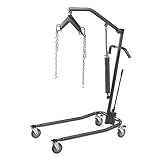 Drive Medical Hydraulic Patient Lift
A full lift is what makes one person able to manage a transfer alone. It is the single purchase that most often delays a move into residential care.
Check price on Amazon →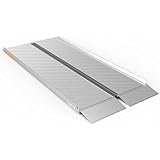 EZ-ACCESS Singlefold Wheelchair Ramp, 6 ft
Folds like a suitcase and carries in a car boot, so the same ramp handles the front step at home and the kerb at an appointment.
Check price on Amazon → Drive Medical Nitro Rollator with Seat
The seat matters more than the wheels. Being able to stop and rest is what decides whether someone still goes out at all.
Check price on Amazon → Vive Stand Assist Rail for Couch or Chair
Getting out of a low sofa is where most falls at home start. This is the cheapest thing on the list and often the first one needed.
Check price on Amazon →As an Amazon Associate we earn from qualifying purchases, at no extra cost to you. Researched guidance, not medical advice. Prices change, so check before buying.
Signs of Depression in Elderly Parents
Emotional Signs
- Persistent sadness or emptiness (though they may not use these words)
- Feelings of hopelessness or pessimism
- Irritability, anger, or frustration
- Excessive guilt or feelings of worthlessness
- Anxiety or restlessness
- Feeling like a burden to others
- Loss of interest in previously enjoyed activities
Physical Signs
- Unexplained aches and pains
- Fatigue, lack of energy
- Sleep problems (too much or too little)
- Appetite changes, weight loss or gain
- Moving or speaking more slowly
- Digestive problems without clear cause
- Frequent doctor visits for vague complaints
Behavioral Signs
- Withdrawing from social activities
- Neglecting personal care or housekeeping
- Increased alcohol consumption
- Difficulty concentrating, making decisions
- Memory problems
- Refusing to leave home
- Not following medical recommendations
- Giving away possessions
- Talk of death or suicide
Depression can cause memory and thinking problems that look like dementia. This is sometimes called "pseudodementia." Key differences: depression symptoms come on faster, the person is more aware of their difficulties, and treatment can resolve cognitive symptoms. A thorough evaluation can distinguish between them, or identify if both are present.
Risk Factors for Depression in Elderly
Life Events
- Death of spouse or close friends
- Retirement, loss of purpose or identity
- Loss of independence (driving, managing finances)
- Moving from family home
- Serious illness diagnosis
- Social isolation
- Caregiver stress (if caring for a spouse)
Medical Factors
- Chronic pain
- Heart disease, stroke
- Parkinson's disease
- Cancer
- Diabetes
- Thyroid disorders
- Vitamin B12 or D deficiency
- Prior history of depression
- Medications (beta blockers, steroids, some pain medications)
Having the Conversation
How to Approach Your Parent
- Choose a good time: When you're both calm and have privacy
- Express concern, not criticism: "I've noticed you seem tired lately and aren't doing things you used to enjoy"
- Use "I" statements: "I'm worried about you" vs "You seem depressed"
- Acknowledge their feelings: Don't minimize or try to talk them out of how they feel
- Ask directly if needed: "Are you feeling down or depressed?"
- Listen more than talk: Give them space to share
- "I've noticed you don't seem like yourself lately. How are you really feeling?"
- "You mentioned your back hurts a lot. Sometimes ongoing pain can affect mood too. How has your mood been?"
- "I miss seeing you at [activity]. What's been keeping you away?"
- "It seems like you've lost interest in things you used to love. That worries me."
If They Resist
Many elderly people resist discussing depression. Common responses:
| They Say | You Could Say |
|---|---|
| "I'm fine." | "I'm glad to hear that. I still notice [specific change] though. Can we talk about it?" |
| "It's just part of getting old." | "Some things do change with age, but feeling this way doesn't have to be one of them. There's help." |
| "I don't believe in that stuff." | "Depression is a medical condition, like diabetes. It's not about weakness or belief." |
| "I don't want pills." | "There are different treatments. We could at least talk to a doctor about options." |
Getting Professional Help
Who Can Diagnose and Treat Depression
- Primary care doctor: Good starting point; can screen, prescribe, refer
- Geriatric psychiatrist: Specializes in mental health for older adults
- Psychologist or therapist: For talk therapy; look for experience with elderly
- Geriatrician: Primary care doctor specializing in elderly patients
What to Expect at Evaluation
A thorough evaluation for depression in elderly should include:
- Review of symptoms and how long they've been present
- Medical history and current medications
- Physical exam
- Blood tests to rule out thyroid problems, vitamin deficiencies, other medical causes
- Cognitive screening to distinguish from dementia
- Questions about substance use
- Assessment of suicide risk
Before the visit, write down: all medications, recent life changes, specific symptoms and when they started, family history of depression, and your own observations. This helps ensure the doctor gets complete information.
Treatment Options
Medication
Antidepressants can be very effective for elderly patients when properly prescribed:
- SSRIs (sertraline, escitalopram, citalopram): Usually first choice; generally well-tolerated
- SNRIs (venlafaxine, duloxetine): May help with pain as well as mood
- Other options: Mirtazapine (helps with sleep and appetite), bupropion (less sedating)
Important considerations:
- Start low, go slow, elderly need lower doses with gradual increases
- Takes 4-6 weeks for full effect
- Side effects often temporary; monitor carefully at start
- Watch for drug interactions with other medications
- Don't stop suddenly, taper under doctor's guidance
Psychotherapy
Talk therapy is effective for elderly depression, alone or with medication:
- Cognitive Behavioral Therapy (CBT): Helps change negative thought patterns
- Problem-Solving Therapy: Focuses on practical coping strategies
- Interpersonal Therapy: Addresses relationship and life transition issues
- Life Review Therapy: Processing life experiences and finding meaning
Many therapists offer video appointments, which can be easier for elderly patients with mobility or transportation issues. This has expanded access to mental health treatment significantly.
Other Treatments
- Exercise: Regular physical activity has proven antidepressant effects
- Light therapy: For seasonal patterns or circadian rhythm issues
- Social engagement: Structured activities, senior centers, support groups
- ECT (electroconvulsive therapy): For severe, treatment-resistant depression; safe and effective in elderly
Supporting Your Parent Through Treatment
Practical Support
- Help schedule and attend appointments
- Assist with medication management
- Encourage activities and social engagement
- Help maintain routines
- Reduce isolation, regular visits, calls, outings
- Assist with tasks that feel overwhelming
Emotional Support
- Be patient: Recovery takes time; expect ups and downs
- Listen: Sometimes they just need to express feelings
- Avoid "fixing": Don't try to talk them out of their feelings
- Celebrate small wins: Notice and acknowledge improvements
- Stay connected: Don't let them isolate
- Encourage, don't push: Gentle prompts to engage, not demands
- "Snap out of it" or "Just think positive"
- "You have nothing to be depressed about"
- "Other people have it worse"
- "It's all in your head"
- "You're just looking for attention"
Taking Care of Yourself
Caring for a depressed parent is emotionally draining. Your own wellbeing matters.
- Recognize your limits: You can support, but you can't cure their depression
- Get your own support: Talk to friends, join a caregiver group, consider therapy
- Take breaks: Respite is essential, not selfish
- Monitor your own mood: Depression can affect caregivers too
- Set boundaries: You can be supportive without being consumed by their illness
Scripts for Difficult Conversations
Our conversation guides help you talk to your parent about sensitive topics like depression, getting help, and accepting support.
Get the Complete Caregiver KitWhen Improvement Isn't Happening
If your parent isn't improving after 6-8 weeks of treatment:
- Are they taking medication as prescribed? Non-adherence is common
- Is the diagnosis correct? Maybe it's bipolar, dementia, or medical issue
- Adequate dose? Elderly often start low; may need increases
- Drug interactions? Other medications affecting antidepressant
- Concurrent alcohol use? Undermines treatment
- Try different medication or add therapy: Combination often more effective
- Consider specialist referral: Geriatric psychiatrist
- Depression in elderly often presents differently, physical symptoms, irritability, withdrawal
- It's NOT normal aging; it's a treatable medical condition
- Risk factors include loss, chronic illness, isolation, and certain medications
- Treatment works, medication, therapy, or combination are effective
- Take suicide risk seriously; elderly have highest suicide rates
- Your support matters, but so does your own self-care
- If treatment isn't working, reassess and adjust, don't give up