Why This Conversation Is So Hard
For most older adults, driving represents independence, identity, and freedom. Giving up the keys can feel like the beginning of the end, a loss of control over their own life. That's why this conversation requires empathy, patience, and often multiple approaches.
Drivers 70+ have higher crash rates per mile than middle-aged drivers. Adults 85+ are the most likely to die in a car crash. But the solution isn't always simple, isolation from losing driving privileges can also harm health. The goal is safety balanced with quality of life.
The equipment that changes the most
Most of what caregiving costs is time. These four are the purchases that reliably buy some of it back, and they are the ones families tell us they wish they had bought sooner.
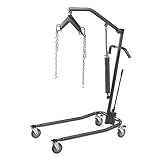 Drive Medical Hydraulic Patient Lift
A full lift is what makes one person able to manage a transfer alone. It is the single purchase that most often delays a move into residential care.
Check price on Amazon →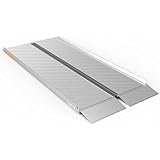 EZ-ACCESS Singlefold Wheelchair Ramp, 6 ft
Folds like a suitcase and carries in a car boot, so the same ramp handles the front step at home and the kerb at an appointment.
Check price on Amazon → Drive Medical Nitro Rollator with Seat
The seat matters more than the wheels. Being able to stop and rest is what decides whether someone still goes out at all.
Check price on Amazon → Vive Stand Assist Rail for Couch or Chair
Getting out of a low sofa is where most falls at home start. This is the cheapest thing on the list and often the first one needed.
Check price on Amazon →As an Amazon Associate we earn from qualifying purchases, at no extra cost to you. Researched guidance, not medical advice. Prices change, so check before buying.
Warning Signs of Unsafe Driving
On the Road
- Getting lost on familiar routes
- Driving too slowly or erratically
- Failing to observe traffic signs and signals
- Making slow or poor decisions at intersections
- Drifting between lanes
- Delayed reactions to unexpected situations
- Near-misses or "close calls" they may not acknowledge
- Other drivers honking frequently
- Difficulty merging or changing lanes
Evidence at Home
- New dents, scrapes, or damage to the car
- Increased traffic tickets or warnings
- Higher insurance rates due to incidents
- Getting lost coming home from routine destinations
- Anxiety or stress about driving
- Others refusing to ride with them
Health Indicators
- Vision: Cataracts, macular degeneration, glaucoma affecting sight
- Cognition: Memory problems, confusion, slow processing
- Physical: Limited range of motion, weakness, slow reflexes
- Medications: Drugs causing drowsiness or impaired judgment
- Conditions: Parkinson's, stroke, dementia, severe arthritis
People with moderate to severe dementia should not drive, period. Even mild cognitive impairment significantly increases crash risk. If your parent has a dementia diagnosis, work with their doctor to establish when driving must stop. Waiting for an accident is not an option.
Getting an Objective Assessment
Before having the conversation, it helps to have objective evidence:
Professional Driving Evaluation
- Certified driver rehabilitation specialists (CDRS): Can assess driving ability and sometimes recommend adaptive equipment or training
- Occupational therapists: May offer driving assessments
- AAA: Some chapters offer senior driving evaluations
- State DMV: Can require a road test if concerns are reported
Having a professional determine that driving is unsafe removes you from being the "bad guy." Your parent may be more willing to accept a verdict from a trained evaluator than from their child. Search for "certified driver rehabilitation specialist" in your area.
What the Doctor Can Do
- Assess cognitive function and relevant health conditions
- Evaluate medications that may impair driving
- In some states, doctors can report unsafe drivers to DMV (some are required to)
- Provide documentation that can support the conversation
Having the Conversation
Approaches That Help
- Focus on safety, not age: "I'm worried about your safety" vs. "You're too old"
- Use "I" statements: "I feel scared when..." not "You are a dangerous driver"
- Bring in specific concerns: The new dent, the close call they mentioned
- Involve the doctor: "Let's see what Dr. Smith thinks"
- Offer alternatives: Have a transportation plan ready
- Listen: Acknowledge what they're losing
- Take it slow: May need multiple conversations
What to Avoid
- Ultimatums and power struggles
- Ambushing them with a family intervention
- Taking the keys without discussion
- Dismissing their feelings
- Making it about convenience for you
Gradual Retirement From Driving
For some, a middle ground helps:
- No driving at night
- No highway driving
- Familiar routes only
- No driving in bad weather
- Limit to essential trips
This preserves some independence while reducing risk. But be honest: if they're truly unsafe, restrictions won't be enough.
When They Won't Listen
Reporting to the DMV
In most states, anyone can report a potentially unsafe driver to the DMV. Some states allow anonymous reports. The DMV may require the person to take a written or road test to keep their license.
Involving the Doctor
In some states, doctors are required to report certain conditions (like dementia) to the DMV. In others, they can choose to report. Talk to the doctor privately about your concerns.
Disabling the Car
If there's immediate danger and they refuse to stop driving:
- Remove the car keys and hide them
- Disable the car (remove battery cable, spark plug wire)
- Move or sell the car
- In severe dementia, car may be "in the shop" indefinitely
If your parent causes an accident after you knew they were unsafe and did nothing, there may be liability implications. Document your concerns and efforts to address the situation.
Transportation Alternatives
Having a robust plan for getting around makes the transition easier:
Options to Explore
- Family and friends: Create a schedule of who can help when
- Ride services: Uber, Lyft (many seniors can learn with help)
- GoGoGrandparent: Phone-based interface for ride services without a smartphone
- Senior transportation services: Many communities offer free or low-cost rides for seniors
- Medical transportation: Medicare may cover rides to medical appointments
- Volunteer driver programs: Check local senior centers and Area Agency on Aging
- Public transit: Reduced fares for seniors, paratransit for those with disabilities
- Taxi voucher programs: Some communities offer discounted taxi services
Car ownership costs $8,000-12,000 per year on average (payment, insurance, maintenance, gas). That money could fund a lot of Uber rides, taxi trips, or private driver hours. Help your parent see that not driving can actually be financially freeing.
Helping Them Adjust
- Acknowledge the grief, this is a real loss
- Help them feel in control by involving them in transportation planning
- Make rides available for social activities, not just medical appointments
- Consider moving to a more walkable location
- Explore delivery services for groceries and prescriptions
- Celebrate the positives: no parking hassles, no car maintenance, no worrying about accidents
Difficult Conversation Resources
Our conversation scripts and planning tools help you navigate challenging caregiving discussions.
Explore Our Resources