Macular Degeneration in Elderly Parents
Age-related macular degeneration (AMD) affects 11 million Americans, making it the leading cause of vision loss in people over 50. Here's what caregivers need to know about helping a parent adapt.
Macular degeneration damages the central part of the retina (the macula), causing loss of central vision. Peripheral vision remains intact. Your parent may be able to see you walk into a room but not recognize your face. They can navigate but can't read or see fine details.
The Two Types of AMD
| Feature | Dry AMD (90%) | Wet AMD (10%) |
|---|---|---|
| Cause | Gradual thinning of macula, buildup of drusen deposits | Abnormal blood vessels grow under retina and leak |
| Progression | Slow, over years | Rapid, weeks to months |
| Vision Loss | Gradual, mild to moderate | Sudden, can be severe |
| Treatment | No cure, but nutritional supplements may slow progression | Anti-VEGF injections can stop or reverse vision loss |
| Warning Signs | Gradual blurring, need for brighter light | Straight lines appear wavy, dark spot in vision |
If your parent suddenly notices straight lines looking wavy, a dark or blurry spot in central vision, or rapid vision changes, this could be wet AMD. Seek immediate eye care. Treatment within days can save significant vision.
The equipment that changes the most
Most of what caregiving costs is time. These four are the purchases that reliably buy some of it back, and they are the ones families tell us they wish they had bought sooner.
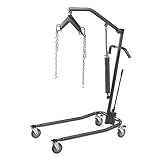 Drive Medical Hydraulic Patient Lift
A full lift is what makes one person able to manage a transfer alone. It is the single purchase that most often delays a move into residential care.
Check price on Amazon →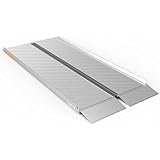 EZ-ACCESS Singlefold Wheelchair Ramp, 6 ft
Folds like a suitcase and carries in a car boot, so the same ramp handles the front step at home and the kerb at an appointment.
Check price on Amazon → Drive Medical Nitro Rollator with Seat
The seat matters more than the wheels. Being able to stop and rest is what decides whether someone still goes out at all.
Check price on Amazon → Vive Stand Assist Rail for Couch or Chair
Getting out of a low sofa is where most falls at home start. This is the cheapest thing on the list and often the first one needed.
Check price on Amazon →As an Amazon Associate we earn from qualifying purchases, at no extra cost to you. Researched guidance, not medical advice. Prices change, so check before buying.
Stages of AMD Progression
Early AMD
Medium-sized drusen deposits visible on eye exam. Usually no symptoms. No treatment needed, but regular monitoring important.
Intermediate AMD
Larger drusen or pigment changes in retina. May have mild vision changes, like needing more light to read. AREDS2 supplements may be recommended.
Late AMD
Significant damage to macula causing noticeable vision loss. May be dry (geographic atrophy) or wet. Low vision rehabilitation becomes important.
Treatment Options
For Dry AMD
There's no cure for dry AMD, but the AREDS2 formula (a specific combination of vitamins and minerals) has been shown to reduce the risk of progression by about 25% in people with intermediate or late AMD:
- Vitamin C (500 mg)
- Vitamin E (400 IU)
- Lutein (10 mg)
- Zeaxanthin (2 mg)
- Zinc (80 mg)
- Copper (2 mg)
AREDS2 supplements should only be taken if recommended by an ophthalmologist. They're not for early AMD or prevention. Beta-carotene (in the original AREDS formula) increases lung cancer risk in smokers.
For Wet AMD
Anti-VEGF injections are the standard treatment and have revolutionized wet AMD care:
- What they do: Block the growth of abnormal blood vessels
- How often: Initially monthly, often extending to every 8-12 weeks
- Where: In-office procedure, injection into the eye (numbed first)
- Results: Can stop progression, and many patients regain some vision
What to Expect at Injection Appointments
Eye is numbed with drops. The injection takes seconds and usually causes minimal discomfort. Mild redness and floaters are normal afterward. Plan to drive your parent home.
Helping Your Parent Adapt
Home Modifications
- Lighting: Increase brightness throughout the home. Add task lighting for reading and close work. Use gooseneck lamps that can be positioned
- Contrast: Use high-contrast items (dark cutting board for light foods, light plates for dark foods). Put colored tape on stair edges
- Declutter: Clear walkways and keep items in consistent places
- Labels: Large-print labels on medications, appliances, and food containers
- Reduce glare: Use matte finishes, position seating away from windows
Assistive Devices
| Need | Solutions |
|---|---|
| Reading | Handheld magnifiers, stand magnifiers, electronic magnifiers (CCTV), large-print books, audiobooks |
| Writing | Bold-line paper, thick felt-tip pens, signature guides, writing templates |
| Phone/Tablet | Increase font size, enable zoom, use screen reader (VoiceOver/TalkBack), voice assistants |
| TV Viewing | Sit closer, larger screen, audio description services |
| Time | Talking watches and clocks, large-display clocks |
| Medication | Talking pill dispensers, tactile markings, magnifying pill organizers |
Technology Solutions
Smartphone and Tablet Accessibility
Both iPhone (VoiceOver) and Android (TalkBack) have built-in screen readers. Siri and Google Assistant can read texts, make calls, and provide information by voice. The Seeing AI app (Microsoft) can read text aloud, describe scenes, and identify products.
Low Vision Rehabilitation
Low vision rehabilitation can dramatically improve quality of life. A low vision specialist differs from a regular optometrist or ophthalmologist:
- Assessment: Evaluates remaining vision and how it affects daily activities
- Devices: Prescribes and trains on appropriate magnifiers and aids
- Training: Teaches techniques for reading, cooking, and daily tasks
- Eccentric viewing: Training to use peripheral vision more effectively
Medicare covers occupational therapy for low vision rehabilitation. Ask your parent's ophthalmologist for a referral to a certified low vision therapist or occupational therapist specializing in vision loss.
Emotional Impact
Vision loss often triggers grief, depression, and anxiety. Your parent may experience:
- Mourning the loss of independence
- Fear of becoming a burden
- Frustration with limitations
- Social withdrawal and isolation
- Depression (common and often underdiagnosed)
How to Help
- Acknowledge their feelings without dismissing them
- Encourage talking about fears and frustrations
- Help them stay connected socially (phone calls, audiobooks for book clubs)
- Support counseling if depression symptoms appear
- Connect them with peer support groups (many available through vision loss organizations)
Driving Considerations
AMD affects central vision needed for driving. Signs your parent should stop driving:
- Difficulty reading road signs
- Trouble seeing traffic signals
- Missing turns or exits
- Near-misses or accidents
- Other drivers honking frequently
The decision to stop driving is often devastating. Offer alternatives first: rides from family, senior transportation services, rideshare apps. An ophthalmologist's recommendation can help ("The doctor says you can't drive anymore") take the burden off you.
Preventing Further Vision Loss
While AMD can't be reversed, these steps may slow progression:
- Stop smoking: Smoking doubles AMD risk
- Diet: Leafy greens (spinach, kale), omega-3 fatty acids (fish)
- Exercise: Regular physical activity may reduce risk
- Blood pressure: Keep it controlled
- UV protection: Sunglasses outdoors
- Regular monitoring: Amsler grid testing at home, regular eye exams
Amsler Grid Testing
Your parent should test each eye weekly with an Amsler grid (available from eye doctor). If lines suddenly look wavy or dark spots appear, call the ophthalmologist immediately - this could signal wet AMD.
Resources for Vision Loss
- American Foundation for the Blind: Resources, technology guides
- Macular Degeneration Association: Education and support
- VisionAware: Independent living strategies
- State agencies for the blind: Often provide free services and equipment
- Library of Congress: Free audiobooks and magazines through NLS (National Library Service)
Managing Multiple Health Conditions
Our Care Coordination Binder helps you track eye appointments, medications, and multiple specialists.
View Resources