Helping an Elderly Parent Through Grief and Loss
When an older adult loses a spouse, sibling, or close friend, they lose not just a person but often their primary companion, their link to shared memories, and part of their identity. Here's how to help them through.
Elderly people experience multiple losses - not just death, but declining health, lost independence, and shrinking social circles. The loss of a spouse after 50 years is fundamentally different from earlier losses. They may have no framework for living alone, no identity apart from "we."
Understanding Elderly Grief
What Makes It Unique
- Cumulative loss: They may be grieving multiple deaths in a short time as their generation dies
- Loss of identity: After decades of marriage, they don't know who they are alone
- Physical impact: Grief can worsen existing health conditions and increase mortality risk
- Practical challenges: Managing finances, household tasks, or driving for the first time
- Social isolation: When a spouse dies, couples friendships often fade
- Fear of own death: Loss forces confrontation with their own mortality
The equipment that changes the most
Most of what caregiving costs is time. These four are the purchases that reliably buy some of it back, and they are the ones families tell us they wish they had bought sooner.
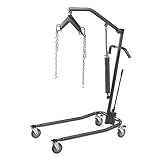 Drive Medical Hydraulic Patient Lift
A full lift is what makes one person able to manage a transfer alone. It is the single purchase that most often delays a move into residential care.
Check price on Amazon →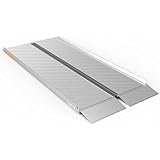 EZ-ACCESS Singlefold Wheelchair Ramp, 6 ft
Folds like a suitcase and carries in a car boot, so the same ramp handles the front step at home and the kerb at an appointment.
Check price on Amazon → Drive Medical Nitro Rollator with Seat
The seat matters more than the wheels. Being able to stop and rest is what decides whether someone still goes out at all.
Check price on Amazon → Vive Stand Assist Rail for Couch or Chair
Getting out of a low sofa is where most falls at home start. This is the cheapest thing on the list and often the first one needed.
Check price on Amazon →As an Amazon Associate we earn from qualifying purchases, at no extra cost to you. Researched guidance, not medical advice. Prices change, so check before buying.
Common Grief Responses in Elderly Parents
Physical Symptoms
Fatigue, sleep disturbances, appetite changes, weakened immune system, worsening of chronic conditions, chest pain or heart palpitations.
Emotional Responses
Sadness, anger, guilt, anxiety, relief (especially after long illness), yearning, numbness, fear.
Cognitive Changes
Difficulty concentrating, forgetfulness (can look like dementia), confusion, disbelief, preoccupation with the deceased.
Behavioral Changes
Social withdrawal, restlessness, crying, searching for the deceased, treasuring possessions, avoiding reminders - or seeking them out.
Confusion, forgetfulness, and difficulty concentrating during grief can look like cognitive decline. Before assuming dementia, give grief time. However, if symptoms persist beyond several months or are severe, get a medical evaluation.
How to Support a Grieving Parent
In the First Days and Weeks
- Just be there: Physical presence matters more than words
- Handle practical matters: Funeral arrangements, notifying people, meals
- Don't force decisions: Major choices about moving, selling, giving things away can wait
- Let them talk: Or sit in silence. Follow their lead
- Protect sleep: Grief is exhausting; encourage rest
- Watch medication: Ensure they're taking what they need - not missing doses or doubling up
In the Months That Follow
Do Say
- "I'm here for you"
- "Tell me about [person's name]"
- "What do you need right now?"
- "This must be so hard"
- "I miss them too"
- "There's no timeline for grief"
Don't Say
- "They're in a better place"
- "At least they lived a long life"
- "You should be getting over this by now"
- "I know how you feel"
- "Stay strong"
- "Everything happens for a reason"
Practical Support
Meals and Nutrition
Grieving people forget to eat. Bring food, share meals together, stock easy-to-prepare foods. Watch for significant weight loss.
Bills and Finances
Help sort mail, pay bills, notify accounts of the death. Surviving spouses often don't know what bills exist or how to pay them.
Household Tasks
Take on tasks the deceased handled: yard work, car maintenance, cooking. Or help arrange services to do them.
Transportation
Offer rides to appointments, errands, the cemetery. Isolation often increases because they can't or won't drive.
Complicated Grief: When to Worry
While grief has no timeline, prolonged grief disorder (formerly called complicated grief) is recognized when grief remains intense and disabling beyond 12 months. Watch for:
- Intense longing or yearning that doesn't ease over time
- Difficulty accepting the death even after many months
- Complete avoidance of reminders of the deceased
- Feeling that life is meaningless without the person
- Inability to engage in activities or relationships
- Persistent feelings of guilt or self-blame
- Suicidal thoughts or wishes to die to be with the deceased
- Expressing wishes to die or join the deceased
- Giving away possessions
- Saying goodbye to loved ones
- Severe depression - not getting out of bed, not eating
- Self-neglect or refusal to take medications
If you see these signs, seek professional help immediately. Call their doctor or, in crisis, 988 (Suicide & Crisis Lifeline).
When a Spouse Dies: Special Considerations
The death of a spouse after many decades of marriage is uniquely devastating:
- Mortality risk increases: Research shows the "widowhood effect" - surviving spouses have elevated mortality risk, especially in the first year
- Everything changes: Daily routines, sleeping alone, eating alone, holidays, weekends
- Identity crisis: From "we" to "I" after decades
- Lost companion: Their best friend, confidant, and daily companion is gone
- Financial changes: Income often decreases while fixed costs remain
The First Year
Mark your calendar for difficult days and check in:
- Wedding anniversary
- Deceased's birthday
- Major holidays (first Thanksgiving, Christmas alone)
- Death anniversary
- Their own birthday (celebrating without their spouse)
Helping Them Find New Meaning
After the acute grief passes, help them re-engage with life:
- Preserve memories: Help create a photo book, record stories about the deceased
- Maintain connections: Encourage relationships with friends and family
- Find purpose: Volunteering, helping grandchildren, pursuing interests
- Create new routines: Replace "our routines" with sustainable "my routines"
- Consider grief support groups: Peer support can be powerful; others who understand
Many elderly people find tremendous comfort in grief support groups, where they meet others who truly understand. Options include hospital-based programs, faith-based groups, hospice bereavement programs (free, even if they didn't use hospice), and online groups for those who can't leave home.
When They're Grieving a Friend
Don't underestimate the impact of losing close friends. As people age:
- They may have few remaining close friends
- Each loss represents their shrinking world
- Friends may be the only people who remember their past
- Losing a friend reminds them of their own mortality
Take these losses seriously and offer the same support you would for family deaths.
Taking Care of Yourself
Supporting a grieving parent is exhausting. Remember:
- You're grieving too (if it was a family death)
- You can't fix their grief - only accompany them through it
- Set realistic expectations for yourself
- Accept help from others
- Watch for your own signs of depression or burnout
- Consider counseling for yourself
Professional Support Options
- Grief counselor: Specializes in bereavement; can be especially helpful for complicated grief
- Therapist: For depression, anxiety, or processing difficult emotions
- Psychiatrist: If medication may help with severe depression or anxiety
- Hospice bereavement services: Free services for anyone, usually for 13 months after a death
- Primary care doctor: For physical symptoms and overall monitoring
When to Discuss Big Decisions
Traditional advice says to avoid major decisions (selling the house, moving, giving away possessions) for at least one year after a spouse's death. While not rigid, this has wisdom: grief impairs judgment, and decisions made in acute grief are often regretted. Help your parent resist pressure to make quick changes.
Decisions That Can Wait
- Selling or leaving the family home
- Major financial decisions
- Giving away the deceased's belongings
- Moving in with family
- Starting new relationships
Decisions That Can't Wait
- Notifying Social Security, pension providers
- Updating bank accounts and bills
- Filing death certificates where needed
- Basic safety if they can't live alone safely
Navigating Difficult Transitions
Our Difficult Conversations Scripts include guidance for talking about loss, moving, and other challenging topics.
View Resources