Medication refusal is one of the most frustrating challenges caregivers face. Your parent needs their medications, but they won't take them. Before you can solve this problem, you need to understand why they're refusing, the solution depends on the cause.
Why Elderly Parents Refuse Medications
They Forget
Memory issues and cognitive decline make it hard to remember to take medications or remember if they already took them. They may genuinely not recall that it's time for medication.
Side Effects
Medications can cause nausea, dizziness, fatigue, or other unpleasant effects. Your parent may have stopped taking a medication because it made them feel terrible, but didn't tell anyone.
They Don't Think It's Working
Blood pressure and cholesterol medications prevent future problems, they don't make you feel better today. Many seniors stop taking medications because they don't notice any benefit.
Too Many Pills
Taking 10+ medications daily is overwhelming. The sheer number of pills can feel burdensome or scary.
Difficulty Swallowing
Large pills can be hard to swallow, especially for those with dysphagia (swallowing problems). Your parent may be avoiding medications because they fear choking.
Cost Concerns
Many seniors skip medications because they can't afford them, but don't want to admit it.
Distrust or Fear
Some seniors distrust doctors, fear addiction, or believe medications are "poisoning" them. This can be rational skepticism or, in dementia, paranoid delusions.
Dementia/Cognitive Changes
With dementia, your parent may not recognize medications, think they're being poisoned, forget why they need them, or lack the executive function to take them properly.
Loss of Control/Independence
Taking medications can feel like admitting illness and losing independence. Refusing may be an assertion of control over their own body.
The equipment that changes the most
Most of what caregiving costs is time. These four are the purchases that reliably buy some of it back, and they are the ones families tell us they wish they had bought sooner.
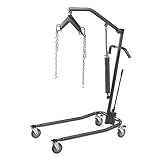 Drive Medical Hydraulic Patient Lift
A full lift is what makes one person able to manage a transfer alone. It is the single purchase that most often delays a move into residential care.
Check price on Amazon →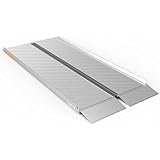 EZ-ACCESS Singlefold Wheelchair Ramp, 6 ft
Folds like a suitcase and carries in a car boot, so the same ramp handles the front step at home and the kerb at an appointment.
Check price on Amazon → Drive Medical Nitro Rollator with Seat
The seat matters more than the wheels. Being able to stop and rest is what decides whether someone still goes out at all.
Check price on Amazon → Vive Stand Assist Rail for Couch or Chair
Getting out of a low sofa is where most falls at home start. This is the cheapest thing on the list and often the first one needed.
Check price on Amazon →As an Amazon Associate we earn from qualifying purchases, at no extra cost to you. Researched guidance, not medical advice. Prices change, so check before buying.
Strategies for Specific Situations
For Forgetfulness
Pill Organizers
Weekly organizers with morning/noon/evening compartments. Fill once a week. Easy to see if a dose was taken.
Automatic Dispensers
Devices like MedMinder or Hero dispense pills at set times and alert you if doses are missed. Some lock medications.
Phone Alarms
Set recurring alarms with specific labels like "Take blood pressure pill." Simple and effective for tech-comfortable seniors.
Routine Linking
Tie medication to an existing habit: "Always take pills with breakfast" or "Pills go next to toothbrush for bedtime."
For Swallowing Difficulties
- Ask about alternatives: Liquids, dissolvable tablets, patches, injections
- Pill-swallowing techniques: Take with thick liquids like smoothies, tilt head forward (not back), use pill cups that let them drink normally
- Crushing pills: Only with pharmacist approval, some medications shouldn't be crushed
- Smaller pills: Ask if the medication comes in smaller dosages (take two small instead of one large)
- Speech therapy evaluation: If swallowing is a broader issue
For Side Effects
If your parent mentions side effects, or you suspect them:
- Document exactly what they're experiencing
- Note when symptoms started (coincides with new medication?)
- Contact the prescriber, don't wait for the next appointment
- Ask about: timing changes, dose reduction, alternative medications
- Never tell them to "just deal with it", side effects are a valid reason for adjustment
For Dementia-Related Refusal
- Simplify: Reduce to essential medications only
- Supervised: Someone must be present for medication times
- Don't argue: "The doctor said you need this" works better than explaining
- Hide in food: With doctor approval, some pills can go in applesauce or pudding
- Use authority figures: "Doctor's orders" carries weight
- Try later: If refused, come back in 15-30 minutes
- Consistent routine: Same time, same place, same person
What to Say When They Refuse
When they say: "I don't need that"
"Dr. Smith prescribed this to keep your heart strong. Remember, you've been taking it since your hospital stay. It's keeping you out of the hospital."
When they say: "It makes me feel sick"
"I hear you, that's really important. Let's call the doctor today and see if there's a different option that won't make you feel sick."
When they say: "I'm taking too many pills"
"I understand it feels like a lot. Let's ask the doctor if any of these can be stopped or combined. But for now, let's take today's medications together."
When they say: "You're trying to poison me" (dementia)
Don't argue. Instead: "This is your vitamin the doctor wanted you to have. I take one too." (Don't actually take their medication, but the solidarity can help.)
When Medication Refusal Becomes Dangerous
- Blood thinners (Coumadin/warfarin) - Risk of stroke or bleeding
- Insulin - Blood sugar emergencies
- Heart medications - Risk of heart failure, arrhythmias
- Seizure medications - Risk of breakthrough seizures
- Immunosuppressants - Organ rejection risk
If your parent consistently refuses critical medications despite your best efforts:
- Contact the doctor urgently - They need to know
- Ask about alternatives - Injectable versions, patches, liquid forms
- Request a home health nurse - For supervised medication administration
- Consider a medication aid - Daily caregiver visits for medication assistance
- Discuss prognosis and goals - Is this medication truly necessary?
Practical Tools and Systems
Medication Organizers
- Basic weekly pill box: $5-15, simple and effective
- Large compartment organizers: $10-25, for those who take many pills
- MedMinder automatic dispenser: $50-80/month, alarms and monitoring
- Hero dispenser: $30-60/month, app-controlled, locks medications
- PillPack/Amazon Pharmacy: Pre-sorted packets for each dose
Medication Tracking
- Paper logs: Check off each dose
- Apps: Medisafe, CareZone, MyTherapy
- Smart pill bottles: Track when opened
- Pharmacy sync: Have all prescriptions refill on the same day
When to Accept Refusal
Sometimes, respecting your parent's autonomy means accepting their decision, especially for medications that improve quality of life rather than save it:
- If they're competent and understand the consequences
- If the medication is for prevention rather than treatment of acute illness
- If quality of life matters more than quantity at this stage
- If the burden outweighs the benefit given limited life expectancy
Have this conversation with the doctor: "Given my father's overall condition and life expectancy, is this medication truly necessary, or could we stop it?"
Working With the Healthcare Team
- Tell the doctor about medication refusal, they need accurate information
- Ask the pharmacist about alternatives (liquids, patches, timing)
- Request a medication review to eliminate unnecessary medications
- Consider a geriatrician if the current doctor isn't responsive
- Ask about home health for medication supervision
Track Medications Effectively
Our caregiver resources include medication tracking tools and logs to help manage your parent's prescriptions.
View Caregiver ResourcesProducts that help with medication adherence
We independently research every recommendation. As an Amazon Associate we earn from qualifying purchases, at no extra cost to you. Disclosure.
- Pill Organizers & Dispensers →Locking, alarmed dispensers that prevent missed or double doses.