If your aging parent complains about poor sleep, wakes frequently during the night, or seems exhausted during the day, they're far from alone. Sleep patterns change significantly with age, and up to 50% of older adults report some form of sleep difficulty.
But here's what many people don't realize: while some sleep changes are normal with aging, chronic sleep problems are not something your parent simply has to accept. Poor sleep affects everything, memory, mood, fall risk, immune function, and quality of life. Understanding what's normal versus what needs attention can help your parent sleep better and feel better.
Older adults typically spend less time in deep sleep, wake more easily, and may shift to earlier bedtimes and wake times. These changes are normal. What's not normal: chronic inability to fall asleep, staying awake for hours at night, or excessive daytime sleepiness that interferes with functioning.
Normal vs. Concerning Sleep Changes
| Normal Age-Related Changes | When to Be Concerned |
|---|---|
| Earlier bedtime and wake time | Takes more than 30 minutes to fall asleep regularly |
| Lighter sleep, easier to wake | Awake for more than 30 minutes during the night |
| Waking once or twice to use bathroom | Waking 4+ times per night |
| Occasional afternoon drowsiness | Falling asleep unintentionally during activities |
| Less total sleep needed (6-7 hours may be enough) | Sleeping less than 5 hours or more than 9 hours consistently |
The equipment that changes the most
Most of what caregiving costs is time. These four are the purchases that reliably buy some of it back, and they are the ones families tell us they wish they had bought sooner.
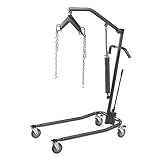 Drive Medical Hydraulic Patient Lift
A full lift is what makes one person able to manage a transfer alone. It is the single purchase that most often delays a move into residential care.
Check price on Amazon →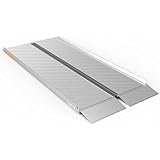 EZ-ACCESS Singlefold Wheelchair Ramp, 6 ft
Folds like a suitcase and carries in a car boot, so the same ramp handles the front step at home and the kerb at an appointment.
Check price on Amazon → Drive Medical Nitro Rollator with Seat
The seat matters more than the wheels. Being able to stop and rest is what decides whether someone still goes out at all.
Check price on Amazon → Vive Stand Assist Rail for Couch or Chair
Getting out of a low sofa is where most falls at home start. This is the cheapest thing on the list and often the first one needed.
Check price on Amazon →As an Amazon Associate we earn from qualifying purchases, at no extra cost to you. Researched guidance, not medical advice. Prices change, so check before buying.
Common Causes of Sleep Problems
Medical Conditions
- Sleep apnea: Breathing repeatedly stops during sleep; causes snoring, gasping, and daytime exhaustion. Very common and underdiagnosed in elderly.
- Restless leg syndrome: Uncomfortable sensations in legs that create urge to move; worse when lying down
- Chronic pain: Arthritis, neuropathy, back problems make comfortable sleep difficult
- Heart failure: Fluid buildup can cause nighttime breathing difficulty
- GERD/reflux: Lying down worsens symptoms, causing discomfort
- Overactive bladder: Frequent urination disrupts sleep
- Depression and anxiety: Both cause significant sleep disturbance
- Dementia: Disrupts sleep-wake cycle, may cause day-night reversal
If your parent snores loudly, gasps or chokes during sleep, stops breathing periodically, or is extremely tired despite "sleeping" all night, they may have sleep apnea. This is a serious condition that increases risk of heart attack, stroke, and accidents. A sleep study can diagnose it.
Medications That Affect Sleep
Many common medications can disrupt sleep:
- Beta blockers (blood pressure): Can cause insomnia, nightmares
- Diuretics: Increase nighttime urination
- Corticosteroids: Can cause insomnia, especially if taken later in day
- Some antidepressants: SSRIs can be activating
- Decongestants: Stimulating effects
- Thyroid medications: If dose is too high
- Some pain medications: Can either cause drowsiness or insomnia
- Parkinson's medications: Various sleep effects
Ask the doctor or pharmacist to review all medications for sleep effects. Sometimes adjusting timing (taking activating medications in the morning) or substituting alternatives can help significantly.
Lifestyle and Environmental Factors
- Lack of physical activity: Sedentary days lead to restless nights
- Too much daytime napping: Reduces sleep drive at night
- Caffeine: Older bodies metabolize caffeine more slowly; effects last longer
- Alcohol: May help fall asleep but disrupts sleep quality later in night
- Irregular schedule: Inconsistent bed/wake times confuse the body clock
- Poor sleep environment: Too warm, too light, uncomfortable bed
- Screen time before bed: Blue light and mental stimulation
Practical Solutions for Better Sleep
Sleep Hygiene Basics
- Consistent schedule: Same bedtime and wake time every day, including weekends
- Limit naps: If napping, keep it under 30 minutes and before 3 PM
- Morning light exposure: Bright light in the morning helps regulate the body clock
- Evening dim light: Lower lights 1-2 hours before bed
- Caffeine cutoff: No caffeine after noon (or earlier)
- Alcohol limits: Avoid alcohol within 3 hours of bedtime
- Regular exercise: Physical activity improves sleep, but not within 4 hours of bedtime
Creating a Sleep-Friendly Environment
- Temperature: Cool room (65-68°F) is optimal for sleep
- Darkness: Blackout curtains or eye mask if needed
- Quiet: White noise machine can mask disruptive sounds
- Comfortable bed: Supportive mattress, appropriate pillows
- Bed for sleep only: Avoid watching TV or using devices in bed
- Nightlights: Dim, motion-activated lights for safe bathroom trips
Body temperature naturally drops to initiate sleep. A cool room (65-68°F) helps this process. Many elderly people keep rooms too warm, which can interfere with sleep quality. A slightly cooler room with warm blankets often works better than a warm room.
Bedtime Routine
A consistent pre-sleep routine signals the body it's time to wind down:
- Start 30-60 minutes before desired bedtime
- Dim the lights throughout the house
- Avoid screens (TV, phone, tablet) or use blue light filters
- Calming activities: reading, gentle stretching, warm bath
- Relaxation techniques: deep breathing, progressive muscle relaxation
- Herbal tea (caffeine-free): chamomile, valerian
When They Can't Fall Asleep
If your parent lies awake for more than 20 minutes:
- Get up: Lying in bed awake reinforces the association of bed with wakefulness
- Do something quiet: Read in dim light, listen to calm music
- Return when sleepy: Only go back to bed when genuinely drowsy
- Don't clock-watch: Turn clocks away; checking time increases anxiety
Managing Nighttime Urination
Frequent bathroom trips are one of the most common sleep disruptors for older adults.
Strategies to Reduce Nighttime Trips
- Limit fluids after dinner: Reduce intake 3-4 hours before bed
- Avoid bladder irritants: Caffeine, alcohol, carbonated drinks, citrus
- Elevate legs in evening: Helps reduce fluid that accumulates in legs during day
- Double void at bedtime: Urinate, wait a few minutes, try again
- Medication timing: Take diuretics in morning, not evening
- Treat underlying conditions: Enlarged prostate, overactive bladder, diabetes
If your parent is waking more than twice per night to urinate, or if this is a new or worsening problem, they should see a doctor. Causes like urinary tract infections, prostate issues, diabetes, or heart problems may need treatment.
Sleep and Dementia
Sleep problems are especially common and challenging when dementia is involved.
Common Sleep Issues in Dementia
- Sundowning: Increased confusion and agitation in late afternoon/evening
- Day-night reversal: Sleeping during day, awake at night
- Wandering at night: Getting up and moving around unsafely
- Difficulty settling: Agitation, calling out, refusing to stay in bed
Strategies for Dementia-Related Sleep Problems
- Maximize daytime activity: Keep them engaged and moving during the day
- Bright light during day: Light therapy can help regulate circadian rhythm
- Reduce evening stimulation: Calm, quiet activities after dinner
- Consistent routine: Same activities in same order every evening
- Address comfort: Pain, hunger, need for bathroom
- Safe environment: Door alarms, secure wandering paths if needed
Sleep medications are particularly risky for people with dementia, increasing confusion, fall risk, and potentially worsening cognitive symptoms. Non-medication approaches should be tried first. If medications are considered, work closely with a geriatric specialist.
Sleep Medications: Risks and Considerations
Sleep medications require careful consideration in elderly patients.
Risks of Sleep Medications in Elderly
- Increased fall risk: Sedation and balance impairment
- Cognitive effects: Confusion, memory problems, especially with benzodiazepines
- Hangover effects: Drowsiness the next day, affecting function and driving
- Dependency: Body becomes dependent, making it hard to stop
- Rebound insomnia: Sleep often worse when stopping medications
- Drug interactions: Can interact with other medications
If Medications Are Considered
- Start with lowest dose: Elderly often need much lower doses
- Short-term use only: Most sleep medications aren't meant for long-term use
- Avoid certain drugs: Benzodiazepines (Valium, Ativan, Xanax) and older antihistamines (Benadryl/diphenhydramine) are particularly risky
- Safer options if needed: Low-dose trazodone, melatonin, or newer sleep aids may be considered
- Regular review: Reassess whether medication is still needed
Melatonin can help some elderly people, particularly with falling asleep or adjusting sleep timing. Start with low doses (0.5-1mg) taken 1-2 hours before desired bedtime. Higher doses aren't necessarily more effective and may cause next-day grogginess.
When to See a Doctor
Seek medical evaluation if your parent experiences:
- Chronic difficulty falling or staying asleep (lasting more than a few weeks)
- Loud snoring, gasping, or breathing pauses during sleep
- Excessive daytime sleepiness affecting daily function
- Falling asleep at inappropriate times (while eating, talking)
- Restless legs or periodic limb movements
- Acting out dreams (REM sleep behavior disorder)
- Significant changes in sleep patterns
- Sleep problems causing safety concerns
What to Expect at the Appointment
- Sleep history: When they sleep, how long, what happens during night
- Medication review: All prescriptions, OTC meds, supplements
- Physical exam: Looking for contributing conditions
- Sleep diary: May be asked to track sleep for 1-2 weeks
- Sleep study: May be ordered if sleep apnea or other disorders suspected
Track Sleep Patterns
Our Daily Care Log helps you track sleep patterns, symptoms, and what helps, valuable information for doctor appointments and finding solutions.
Get the Complete Caregiver KitCaregiver Sleep Matters Too
If your parent's sleep problems are disrupting your sleep, your own health is at risk. Chronically sleep-deprived caregivers have higher rates of depression, illness, and accidents.
Protecting Your Sleep
- Separate sleeping spaces: If possible, sleep in different rooms
- Baby monitors: Allow you to hear if needed without sleeping in same room
- Take shifts: If multiple caregivers available, rotate night duty
- Respite care: Consider overnight respite to catch up on sleep
- Treat your own sleep: Model good sleep habits for yourself too
- Some sleep changes are normal with aging; chronic severe problems are not
- Medical conditions, medications, and lifestyle factors all affect sleep
- Sleep apnea is common and underdiagnosed in elderly, watch for snoring and daytime exhaustion
- Good sleep hygiene helps: consistent schedule, cool dark room, bedtime routine
- Sleep medications carry significant risks in elderly and should be last resort
- Dementia creates unique sleep challenges requiring specialized approaches
- See a doctor for persistent problems or concerning symptoms