Frontotemporal Dementia (FTD): A Caregiver's Guide
FTD causes dramatic personality and behavior changes, often striking people in their 50s and 60s. Understanding this unique dementia is essential for families facing heartbreaking changes in someone they love.
Unlike Alzheimer's, FTD often changes personality before memory. The person you knew may seem to disappear while they're still physically present. Caregivers describe grieving someone who's still alive. This guide addresses both the medical reality and the emotional challenge.
What Is Frontotemporal Dementia?
Frontotemporal dementia (FTD) refers to a group of disorders caused by progressive damage to the frontal and temporal lobes of the brain, which control personality, behavior, and language. It's the most common dementia in people under 60.
Key facts:
- Affects 50,000-60,000 Americans
- Average onset age: 45-65 (can occur younger or older)
- Often misdiagnosed as psychiatric illness, Alzheimer's, or mid-life crisis
- About 40% of cases have a family history
- Progression varies widely: 2-20 years
The equipment that changes the most
Most of what caregiving costs is time. These four are the purchases that reliably buy some of it back, and they are the ones families tell us they wish they had bought sooner.
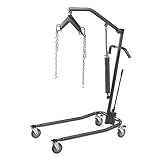 Drive Medical Hydraulic Patient Lift
A full lift is what makes one person able to manage a transfer alone. It is the single purchase that most often delays a move into residential care.
Check price on Amazon → EZ-ACCESS Singlefold Wheelchair Ramp, 6 ft
Folds like a suitcase and carries in a car boot, so the same ramp handles the front step at home and the kerb at an appointment.
Check price on Amazon → Drive Medical Nitro Rollator with Seat
The seat matters more than the wheels. Being able to stop and rest is what decides whether someone still goes out at all.
Check price on Amazon → Vive Stand Assist Rail for Couch or Chair
Getting out of a low sofa is where most falls at home start. This is the cheapest thing on the list and often the first one needed.
Check price on Amazon →As an Amazon Associate we earn from qualifying purchases, at no extra cost to you. Researched guidance, not medical advice. Prices change, so check before buying.
Types of FTD
Behavioral Variant FTD (bvFTD)
Most common type. Causes dramatic personality and behavior changes. Person may become disinhibited, apathetic, or lose social awareness. Often mistaken for depression, bipolar disorder, or relationship problems.
Early signs: Inappropriate social behavior, loss of empathy, compulsive behaviors, dietary changes (especially sweets cravings), neglecting hygiene.
Primary Progressive Aphasia (PPA)
Affects language abilities. Two main subtypes:
- Semantic variant: Loses word meanings. May ask "What's a fork?" Names become difficult first.
- Nonfluent variant: Speech becomes halting, effortful. Grammar breaks down. May eventually become mute.
FTD with Motor Neuron Disease
Combines FTD with ALS-like symptoms: muscle weakness, difficulty swallowing. More rapid progression. Requires specialized care.
Behavioral Variant FTD: Understanding the Changes
Behavioral variant is the most challenging for families because the person's core personality seems to change:
Loss of Social Awareness
- Saying inappropriate things in public
- Making offensive comments without awareness
- Ignoring social cues and norms
- Acting out of character in social situations
Disinhibition
- Impulsive actions without thinking of consequences
- Inappropriate sexual comments or behavior
- Reckless spending or financial decisions
- Shoplifting or other illegal behavior (without malice)
Apathy and Emotional Blunting
- Loss of motivation to do anything
- Seeming indifference to family and loved ones
- No longer caring about things that mattered
- Flat emotional responses
Loss of Empathy
- Seeming cold or uncaring
- Not responding to others' emotions
- Self-centered behavior
- Inability to understand others' perspectives
Compulsive and Ritualistic Behaviors
- Repetitive actions or phrases
- Rigid routines that must be followed exactly
- Hoarding or collecting
- Obsessive cleaning or organizing
Dietary Changes
- Strong cravings for sweets and carbohydrates
- Overeating or food obsession
- Eating the same foods repeatedly
- Putting non-food items in mouth
These behaviors are caused by brain damage, not personality flaws or conscious decisions. The person with FTD cannot control or stop these behaviors through willpower. Understanding this doesn't make it easier to live with, but it can reduce blame and resentment.
FTD vs. Alzheimer's Disease
| Feature | Frontotemporal Dementia | Alzheimer's Disease |
|---|---|---|
| Typical onset age | 45-65 years | 65+ years |
| Early symptoms | Behavior/personality or language | Memory loss |
| Memory | Often preserved early on | Impaired early |
| Spatial awareness | Usually intact | Often impaired |
| Insight into illness | Often poor or absent | Often aware early on |
| Hallucinations | Rare | Can occur |
Managing Challenging Behaviors
Disinhibited or Inappropriate Behavior
Avoid situations where behavior might be problematic. Carry cards explaining the diagnosis to show others. Leave environments calmly if needed. Focus on safety rather than correction.
Apathy and Lack of Motivation
Initiate activities rather than waiting for them to want to. Keep a structured routine. Accept that they may not show enthusiasm. Look for simple activities they'll engage in.
Compulsive Behaviors
Work with compulsions rather than against them when possible. Redirect to similar but safer activities. Limit access to problematic items (credit cards, car keys). Accept harmless repetitive behaviors.
Overeating or Food Obsession
Control food access. Offer healthy alternatives for sweet cravings. Keep portions small. Expect this is a feature of the disease, not lack of willpower.
Loss of Empathy
Don't expect emotional support from them. Find your own sources of emotional connection. Remember this is brain damage, not intentional cruelty. Lower expectations for emotional reciprocity.
Safety Concerns
FTD creates unique safety issues:
- Driving: Should stop early due to impaired judgment
- Financial: Impulsive spending, susceptibility to scams
- Legal: Shoplifting, inappropriate behavior may lead to police involvement
- Wandering: May leave home without awareness of danger
- Nutrition: Overeating or eating inappropriate things
Many caregivers carry cards that say something like: "My family member has a brain disease that affects behavior. They cannot control their actions. Thank you for your understanding." This can help in public situations.
Caregiver Support
FTD caregiving is uniquely challenging:
- Younger onset means caregivers may be working, raising children, or expecting more years together
- Personality changes cause grief for the person they knew
- Lack of empathy from the person means no emotional support from your partner/parent
- Behavioral symptoms can be embarrassing and socially isolating
- Less public awareness means others may not understand
Finding Support
- The Association for Frontotemporal Degeneration (AFTD) - theaftd.org - support groups, resources, education
- FTD-specific support groups - general dementia groups may not understand
- Individual therapy - processing grief and loss
- Legal and financial planning - often more urgent due to younger onset
Treatment and Medications
There are no FDA-approved treatments specifically for FTD. Management focuses on symptoms:
- SSRIs (like sertraline) may help with compulsive behaviors, anxiety, and disinhibition
- Trazodone may help with agitation and sleep
- Avoid Alzheimer's medications (cholinesterase inhibitors) which don't help and may worsen behavior
- Antipsychotics used cautiously for severe behavioral symptoms
- Speech therapy for language variants
Several FTD treatments are in clinical trials. The AFTD website maintains information about current research. Participating in research can provide access to new treatments while advancing understanding of the disease.
Document Behaviors and Patterns
Our Care Coordination Binder helps you track symptoms and share information with providers.
View Resources