What Is Gout?
Gout is a type of inflammatory arthritis caused by uric acid crystals depositing in joints. It causes sudden, severe attacks of pain, swelling, redness, and warmth, often in the big toe, but can affect ankles, knees, wrists, and other joints. Gout becomes more common with age, affecting about 4% of adults over 65.
Unlike osteoarthritis (gradual wear-and-tear) or rheumatoid arthritis (autoimmune), gout causes sudden, intense flares that can come on overnight. Between attacks, the joint may be completely normal. This pattern of acute attacks with symptom-free periods is characteristic of gout.
The equipment that changes the most
Most of what caregiving costs is time. These four are the purchases that reliably buy some of it back, and they are the ones families tell us they wish they had bought sooner.
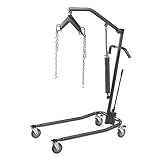 Drive Medical Hydraulic Patient Lift
A full lift is what makes one person able to manage a transfer alone. It is the single purchase that most often delays a move into residential care.
Check price on Amazon →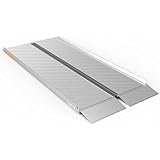 EZ-ACCESS Singlefold Wheelchair Ramp, 6 ft
Folds like a suitcase and carries in a car boot, so the same ramp handles the front step at home and the kerb at an appointment.
Check price on Amazon → Drive Medical Nitro Rollator with Seat
The seat matters more than the wheels. Being able to stop and rest is what decides whether someone still goes out at all.
Check price on Amazon → Vive Stand Assist Rail for Couch or Chair
Getting out of a low sofa is where most falls at home start. This is the cheapest thing on the list and often the first one needed.
Check price on Amazon →As an Amazon Associate we earn from qualifying purchases, at no extra cost to you. Researched guidance, not medical advice. Prices change, so check before buying.
Recognizing a Gout Flare
A gout attack typically has these features:
- Sudden onset: Often starts at night or early morning
- Intense pain: Often described as the worst joint pain ever experienced
- Swelling: Joint becomes visibly swollen
- Redness and warmth: Skin over the joint is red and hot
- Extreme tenderness: Even the weight of a bedsheet can be unbearable
- Limited mobility: Movement of the joint is very painful
Common Sites
- Big toe (podagra): Most common location; over 50% of first attacks
- Ankle
- Knee
- Wrist and finger joints
- Elbow
A red, hot, swollen joint can also be a sign of joint infection (septic arthritis), which is a medical emergency. If your parent has never had gout before and develops a hot, swollen joint, especially with fever, seek medical attention promptly. The doctor may need to draw fluid from the joint to distinguish gout from infection.
Why Gout Happens
Gout develops when uric acid levels in the blood are too high (hyperuricemia). Uric acid is a normal waste product from breaking down purines (found in foods and naturally in the body). When levels get too high, uric acid can form crystals that deposit in joints.
Why Elderly Are At Higher Risk
- Kidney function declines with age: Kidneys excrete uric acid less efficiently
- Diuretics: Commonly prescribed for blood pressure and heart failure; raise uric acid levels
- Low-dose aspirin: Often taken for heart protection; raises uric acid
- Dehydration: More common in elderly; concentrates uric acid
- Accumulated years of high uric acid: Crystals form over time
Treating an Acute Gout Flare
When a flare hits, the goal is to reduce inflammation and pain as quickly as possible:
Immediate Steps
- Rest the joint: Avoid putting weight on it
- Apply ice: 20 minutes on, 20 minutes off (protect skin)
- Elevate: If lower extremity, keep raised
- Stay hydrated: Drink plenty of water
- Start medication early: Treatment is most effective within 24 hours
Medications for Acute Flares
| Medication | How It Works | Considerations in Elderly |
|---|---|---|
| NSAIDs (indomethacin, naproxen) | Reduce inflammation | Risky in elderly: GI bleeding, kidney problems, heart issues. Use cautiously, short-term only. |
| Colchicine | Reduces inflammation from crystals | Lower doses now used. Avoid with kidney disease. Drug interactions common. |
| Corticosteroids (prednisone, injection) | Powerful anti-inflammatory | Often preferred in elderly. Short course. Monitor blood sugar in diabetics. |
While NSAIDs are commonly used for gout, they're often problematic in older adults due to kidney, stomach, and heart risks. A short course of prednisone or a corticosteroid injection into the joint is often the safest choice for elderly patients with gout flares.
What NOT to Do During a Flare
- Don't start uric acid-lowering medication: Starting allopurinol during a flare can make it worse
- Don't stop uric acid-lowering medication if already taking it: Continue current dose
- Don't ignore it: Untreated flares can last 1-2 weeks
Preventing Future Flares
Once a gout flare resolves, the focus shifts to prevention:
Uric Acid-Lowering Therapy
For patients with recurrent flares, the doctor may prescribe medication to lower uric acid levels:
- Allopurinol: Most commonly used. Reduces uric acid production. Start low, increase gradually. Kidney dose adjustment needed.
- Febuxostat (Uloric): Alternative to allopurinol. More expensive. Some heart concerns in studies.
- Probenecid: Increases uric acid excretion. Less common in elderly due to kidney requirements.
Paradoxically, starting allopurinol can trigger gout flares initially. Doctors typically start at a low dose and increase gradually. Many prescribe colchicine or an NSAID alongside for the first several months to prevent breakthrough flares. The target is usually a uric acid level below 6 mg/dL.
Dietary Management
Diet plays a role in gout, though it's less important than once believed. For elderly patients, extreme dietary restrictions may not be practical or beneficial:
Foods to Limit
- Organ meats: Liver, kidney, sweetbreads (very high in purines)
- Red meat: Beef, lamb, pork (moderate amounts okay for most)
- Certain seafood: Sardines, anchovies, shellfish, scallops
- Beer and liquor: Beer especially raises uric acid
- Sugary drinks: Fructose increases uric acid
Foods That May Help
- Cherries: Some evidence they reduce flare risk
- Low-fat dairy: Associated with lower uric acid
- Coffee: May lower uric acid (if tolerated)
- Vitamin C: Modest effect on uric acid
- Water: Stay well hydrated
For most elderly patients with gout, medication is more important than strict dietary changes. Don't let dietary restrictions lead to poor nutrition or reduced quality of life. Focus on staying hydrated, moderating high-purine foods, and avoiding alcohol excess rather than eliminating entire food groups.
Medications That Can Trigger Gout
Several common medications in elderly patients can raise uric acid levels:
- Thiazide diuretics (hydrochlorothiazide, chlorthalidone)
- Loop diuretics (furosemide/Lasix)
- Low-dose aspirin
- Cyclosporine (immunosuppressant)
- Niacin (vitamin B3, for cholesterol)
Don't stop these medications without medical guidance, they may be essential. The doctor can often manage gout while continuing necessary medications.
Chronic Gout: Tophi
When gout is uncontrolled for years, uric acid crystals can form visible lumps called tophi (TOE-fy). These can appear:
- Around finger and toe joints
- On the outer edge of the ear
- Around the elbow (olecranon bursa)
- Over the Achilles tendon
Tophi can eventually damage joints and, if large, may drain chalky white material. Long-term uric acid-lowering therapy can slowly shrink tophi, though this takes months to years.
Gout and Kidney Disease
Gout and kidney disease often go together:
- Kidneys excrete uric acid, so kidney disease raises uric acid levels
- High uric acid may also damage kidneys
- Medication doses need adjustment for kidney function
- NSAIDs should be avoided or used very carefully
Allopurinol, colchicine, and NSAIDs all require dose adjustment or avoidance in kidney disease. Make sure all doctors involved know your parent's kidney function. Blood tests to monitor kidney function and uric acid levels are important for anyone on long-term gout treatment.
Managing Gout in Dementia Patients
Patients with dementia may not be able to describe their pain clearly. Signs of a gout flare may include:
- Increased agitation or confusion
- Guarding a limb or refusing to walk
- Crying out when the area is touched
- Visible swelling and redness
- Changes in behavior or appetite
Always consider pain as a cause of behavior changes in dementia patients.
When to See the Doctor
Urgent
- First-ever attack of a hot, swollen joint (rule out infection)
- Fever with a gout flare (possible infection)
- Flare not responding to home treatment within 48 hours
- Multiple joints affected simultaneously
Routine
- Discuss long-term uric acid-lowering therapy after 2+ flares
- Regular monitoring of uric acid levels and kidney function
- Review of medications that may contribute to gout
- Assessment for tophi or joint damage
Caregiver Tips
During a Flare
- Keep ice packs handy in the freezer
- Have prescribed flare medication available at home
- Help with mobility and daily activities
- Use a bed cradle to keep sheets off painful feet
- Encourage fluid intake
Prevention
- Remind about daily uric acid-lowering medication
- Encourage hydration throughout the day
- Moderate (don't eliminate) high-purine foods
- Monitor for medication side effects
- Keep follow-up appointments for blood work
Track Symptoms and Medications
Our care coordination tools help you monitor flares, medications, and patterns over time.
Explore Our ResourcesRelated Resources
Gout is painful but manageable. With appropriate treatment, most people can prevent flares and avoid long-term joint damage. The key is working with the healthcare team to find the right combination of medications and lifestyle adjustments for your parent's situation.