Depression affects up to 15% of seniors, yet it often goes unrecognized and untreated. Unlike younger adults, elderly people may not say they feel "sad", instead, depression shows up as physical complaints, withdrawal, irritability, or simply giving up on life.
Depression is not a normal part of aging. It's a treatable condition, and with proper support, your parent can feel better.
If your parent expresses thoughts of suicide or self-harm, take it seriously. Call 988 (Suicide & Crisis Lifeline), contact their doctor immediately, or go to the nearest emergency room. Older adults have the highest suicide rate of any age group.
Why Depression Is Different in Seniors
Less Likely to Admit Sadness
Many older adults grew up in an era when mental health wasn't discussed. They may:
- Dismiss their feelings as normal
- Feel ashamed of emotional struggles
- Focus on physical symptoms instead
- Deny anything is wrong
Overlapping with Other Conditions
- Chronic pain can cause and worsen depression
- Dementia and depression share symptoms
- Medications can cause depressive symptoms
- Grief may evolve into clinical depression
- Medical conditions can trigger depression
Unique Triggers in Aging
- Loss of spouse, friends, siblings
- Loss of independence (driving, managing finances)
- Chronic illness and pain
- Moving from family home
- Social isolation
- Feeling like a burden
- Facing mortality
The equipment that changes the most
Most of what caregiving costs is time. These four are the purchases that reliably buy some of it back, and they are the ones families tell us they wish they had bought sooner.
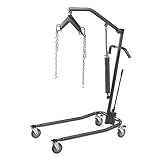 Drive Medical Hydraulic Patient Lift
A full lift is what makes one person able to manage a transfer alone. It is the single purchase that most often delays a move into residential care.
Check price on Amazon →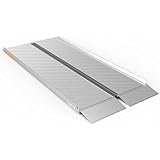 EZ-ACCESS Singlefold Wheelchair Ramp, 6 ft
Folds like a suitcase and carries in a car boot, so the same ramp handles the front step at home and the kerb at an appointment.
Check price on Amazon → Drive Medical Nitro Rollator with Seat
The seat matters more than the wheels. Being able to stop and rest is what decides whether someone still goes out at all.
Check price on Amazon → Vive Stand Assist Rail for Couch or Chair
Getting out of a low sofa is where most falls at home start. This is the cheapest thing on the list and often the first one needed.
Check price on Amazon →As an Amazon Associate we earn from qualifying purchases, at no extra cost to you. Researched guidance, not medical advice. Prices change, so check before buying.
Signs of Depression in Elderly Parents
Emotional Signs
- Persistent sadness or emptiness
- Hopelessness ("What's the point?")
- Irritability and mood swings
- Anxiety and excessive worry
- Loss of interest in activities they used to enjoy
- Feeling worthless or like a burden
Physical Signs
- Changes in appetite (eating much more or less)
- Sleep problems (insomnia or sleeping all day)
- Fatigue and low energy
- Moving slowly, sluggishness
- Unexplained aches and pains
- Neglecting personal hygiene
Behavioral Signs
- Withdrawing from family and friends
- Refusing to leave the house
- Stopping hobbies and activities
- Neglecting responsibilities
- Increased alcohol use
- Giving away possessions
- Talking about death or dying
Cognitive Signs
- Difficulty concentrating
- Trouble making decisions
- Memory problems (may mimic dementia)
- Negative thinking patterns
Depression can cause memory problems that look like dementia (called "pseudodementia"). Unlike true dementia, these cognitive issues improve with depression treatment. If you're unsure, seek evaluation, proper diagnosis matters for treatment.
Getting Your Parent Evaluated
Start with Primary Care
- Depression screening at regular checkups
- Rule out medical causes (thyroid, vitamin deficiencies)
- Review medications for depressive side effects
- Can prescribe antidepressants if needed
- Can refer to specialists
When to See a Specialist
- Psychiatrist: Complex medication management
- Geriatric psychiatrist: Specializes in elderly mental health
- Psychologist: Therapy and counseling
- Geriatrician: Overall health management for seniors
What to Tell the Doctor
- Specific changes you've observed
- When symptoms started
- Recent losses or life changes
- All current medications
- Alcohol and substance use
- Family history of depression
- Any mention of suicide or self-harm
Treatment Options
Medication
Antidepressants can be effective in older adults with some considerations:
- Start low, go slow, lower doses, gradual increases
- May take 4-8 weeks to show full effect
- SSRIs (like sertraline, escitalopram) often preferred
- Watch for drug interactions
- May need adjustments based on response
- Don't stop suddenly without doctor guidance
Therapy
- Cognitive Behavioral Therapy (CBT): Addresses negative thought patterns
- Problem-Solving Therapy: Helps manage daily challenges
- Interpersonal Therapy: Focuses on relationships and grief
- Life Review Therapy: Finding meaning in life experiences
Therapy works well even in older adults, including those with mild cognitive impairment.
Other Treatments
- ECT (Electroconvulsive Therapy): For severe, treatment-resistant depression
- TMS (Transcranial Magnetic Stimulation): Non-invasive brain stimulation
- Light Therapy: Especially for seasonal depression
Research shows that medication and therapy together are more effective than either alone. If your parent is willing, encourage both approaches.
How You Can Help
Be Present and Listen
- Visit regularly and consistently
- Call even when you can't visit
- Listen without trying to fix
- Validate their feelings ("That sounds hard")
- Avoid platitudes ("Cheer up," "Count your blessings")
Encourage Activity
- Gentle walks together
- Outings even for small errands
- Activities they used to enjoy
- Time with grandchildren
- Exposure to sunlight
Don't force, gently encourage. Depression makes everything feel impossible.
Help with Practical Matters
- Getting to therapy appointments
- Filling prescriptions
- Monitoring medication adherence
- Preparing nutritious meals
- Keeping home environment pleasant
Combat Isolation
- Help them stay connected to friends
- Explore senior centers or programs
- Consider volunteer opportunities
- Set up video calls with distant family
- Look into senior companions or friendly visitor programs
Monitor Progress
- Note changes in mood and behavior
- Track medication adherence
- Report concerns to their doctor
- Watch for side effects
- Recognize improvement even when they can't
Take seriously: talking about wanting to die, giving away possessions, saying goodbye, stockpiling medications, sudden calm after severe depression, or writing a will unexpectedly. Older adults attempt suicide less often than younger people but die by suicide more often when they attempt it.
When They Refuse Help
Understanding Resistance
- Stigma around mental health
- Belief that they should handle it alone
- Fear of being institutionalized
- Depression itself reduces motivation
- Cognitive changes affecting insight
Strategies
- Frame it as physical: "Let's talk to the doctor about your energy"
- Go together: Offer to attend appointments
- Start small: Agree to one visit or short trial of treatment
- Use trusted voices: Their doctor, clergy, or close friend may have influence
- Be patient: Keep gently encouraging without forcing
Preventing Depression Recurrence
- Continue medication as prescribed, even when feeling better
- Maintain regular social contact
- Keep physically active within ability
- Establish daily routines
- Limit alcohol
- Get adequate sleep
- Plan for difficult times (holidays, anniversaries)
- Stay connected to mental health provider
Taking Care of Yourself
Caring for someone with depression is emotionally demanding:
- You can't fix their depression
- Your own mood may be affected
- Frustration and helplessness are normal
- You need support too
Protect Your Own Mental Health
- Maintain your own activities and friendships
- Set boundaries on caregiving time
- Seek your own therapy if needed
- Join a caregiver support group
- Practice self-compassion
Caregiver Mental Health Resources
Our Caregiver Kit includes resources for your own wellbeing alongside tools for helping your parent.
Get the Complete Caregiver Kit- Depression is not normal aging, it's treatable
- Signs may be physical complaints, not expressed sadness
- Medical evaluation is important to rule out other causes
- Medication and therapy together work best
- Your support matters: be present, encourage activity
- Combat isolation, social connection helps
- Take suicide concerns seriously
- Recovery takes time, be patient
- Protect your own mental health while caregiving