The "Silent Killer" in Older Adults
High blood pressure (hypertension) affects approximately 70-80% of adults over 65. It's called the "silent killer" because it usually causes no symptoms while quietly damaging blood vessels, heart, kidneys, and brain. Controlling blood pressure is one of the most important things you can do to protect your parent's health.
Blood pressure is measured as two numbers: systolic (top number) is pressure when the heart beats; diastolic (bottom number) is pressure between beats. For example, 130/80 means 130 systolic and 80 diastolic, measured in mmHg (millimeters of mercury).
The equipment that changes the most
Most of what caregiving costs is time. These four are the purchases that reliably buy some of it back, and they are the ones families tell us they wish they had bought sooner.
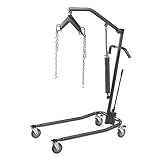 Drive Medical Hydraulic Patient Lift
A full lift is what makes one person able to manage a transfer alone. It is the single purchase that most often delays a move into residential care.
Check price on Amazon →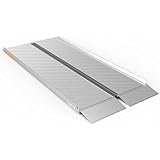 EZ-ACCESS Singlefold Wheelchair Ramp, 6 ft
Folds like a suitcase and carries in a car boot, so the same ramp handles the front step at home and the kerb at an appointment.
Check price on Amazon → Drive Medical Nitro Rollator with Seat
The seat matters more than the wheels. Being able to stop and rest is what decides whether someone still goes out at all.
Check price on Amazon → Vive Stand Assist Rail for Couch or Chair
Getting out of a low sofa is where most falls at home start. This is the cheapest thing on the list and often the first one needed.
Check price on Amazon →As an Amazon Associate we earn from qualifying purchases, at no extra cost to you. Researched guidance, not medical advice. Prices change, so check before buying.
Blood Pressure Categories
| Category | Systolic | Diastolic |
|---|---|---|
| Normal | Less than 120 | Less than 80 |
| Elevated | 120-129 | Less than 80 |
| Stage 1 Hypertension | 130-139 | 80-89 |
| Stage 2 Hypertension | 140 or higher | 90 or higher |
| Hypertensive Crisis | Higher than 180 | Higher than 120 |
BP Targets for Elderly: It's Complicated
Blood pressure targets for older adults are more nuanced than for younger people. Guidelines have shifted in recent years:
Current General Guidelines
- Adults 65+: Target less than 130/80 mmHg if tolerated
- Frail elderly or multiple conditions: Less aggressive targets may be appropriate (less than 140-150 systolic)
- Standing BP: Should also be checked to assess for orthostatic hypotension
Aggressive BP lowering in frail elderly can cause dizziness, falls, and fainting. The "right" target depends on your parent's overall health, fall risk, and other conditions. A target of 140/90 may be more appropriate for some elderly patients than the standard 130/80. Discuss individualized goals with the doctor.
Isolated Systolic Hypertension
In older adults, it's common to have high systolic pressure with normal or low diastolic pressure (for example, 160/70). This "isolated systolic hypertension" is caused by arterial stiffening with age. Treatment focuses on lowering the top number while avoiding making the bottom number too low.
How Blood Pressure Is Measured Matters
Accurate BP measurement is crucial, especially in elderly patients:
Proper Technique
- Rest first: Sit quietly for 5 minutes before measuring
- Empty bladder: A full bladder can raise BP 10-15 points
- No caffeine or smoking: Avoid for 30 minutes before
- Correct position: Sitting with back supported, feet flat on floor, arm at heart level
- Correct cuff size: Cuff too small gives falsely high readings
- Don't talk: Talking during measurement raises BP
- Take multiple readings: Average of 2-3 readings is more accurate
White Coat Hypertension
Many elderly patients have higher readings in the doctor's office than at home ("white coat hypertension"). Home monitoring or 24-hour ambulatory monitoring can reveal the true pattern.
Orthostatic Hypotension
Blood pressure should be checked both sitting and standing. A drop of more than 20 points systolic upon standing is orthostatic hypotension, common in elderly and a major cause of falls and dizziness.
Home monitoring is valuable for older adults. Use an automatic upper-arm cuff (not wrist). Take readings at the same time daily, in the morning before medications and in the evening. Keep a log to share with the doctor. This provides a much better picture than occasional office readings.
Blood Pressure Medications
Multiple medication classes are used to treat hypertension:
| Class | Examples | Considerations for Elderly |
|---|---|---|
| Thiazide Diuretics | Hydrochlorothiazide, chlorthalidone | Often first choice; watch for low potassium, increased urination, dehydration |
| ACE Inhibitors | Lisinopril, enalapril, ramipril | Good for diabetes, heart failure; may cause dry cough; check kidney function |
| ARBs | Losartan, valsartan, olmesartan | Similar to ACE inhibitors without cough; check kidney function |
| Calcium Channel Blockers | Amlodipine, diltiazem, verapamil | Effective; amlodipine may cause ankle swelling |
| Beta Blockers | Metoprolol, atenolol, carvedilol | Good for heart conditions; may cause fatigue, slow heart rate |
In elderly patients, doctors typically start BP medications at lower doses and increase gradually. Starting too high can cause dramatic drops in blood pressure, leading to dizziness, falls, and even fainting. If your parent experiences these symptoms after starting or increasing a medication, contact the doctor promptly.
Medication Management Tips
Common Challenges
- Multiple medications: Many elderly take 2-4 BP medications plus others
- Timing matters: Some are best taken at night, others in the morning
- Side effects: Dizziness, frequent urination, fatigue, swelling
- Interactions: NSAIDs (ibuprofen, naproxen) can raise BP and interfere with medications
Practical Tips
- Use pill organizers or blister packs for multiple medications
- Set phone alarms for medication times
- Take medications at the same time each day
- Keep a medication list updated
- Never stop BP medications suddenly without medical guidance
- Be aware that missing doses can cause BP spikes
Lifestyle Modifications
Lifestyle changes can significantly impact blood pressure, though they're often harder for elderly patients to implement:
Diet (DASH Diet)
- Reduce sodium: Aim for less than 2,300 mg/day (ideally 1,500 mg for most elderly)
- Increase potassium: Fruits, vegetables, beans (check with doctor if kidney issues)
- Limit processed foods: Major source of hidden sodium
- Read labels: "Low sodium" canned foods, fresh over processed
Elderly people are more sensitive to sodium's effects on blood pressure. Reducing sodium can lower BP significantly. However, drastic sodium restriction can also cause problems in some patients. Work with the doctor to find the right balance.
Physical Activity
- Even light activity helps (walking, chair exercises)
- Aim for some activity most days
- Avoid sudden intense exercise if not accustomed
- Check with doctor before starting new exercise programs
Weight Management
If overweight, even modest weight loss (5-10 pounds) can help lower BP. However, in frail elderly, intentional weight loss should be approached carefully and supervised by a doctor.
Limit Alcohol
More than 1-2 drinks daily can raise blood pressure. Elderly are more sensitive to alcohol's effects.
When to Call the Doctor
Routine Concerns
- Consistent readings above target despite medications
- Dizziness or lightheadedness
- Symptoms that seem medication-related
- Questions about interactions with other drugs
Call 911 or go to the ER if blood pressure is 180/120 or higher AND there are symptoms such as: severe headache, chest pain, shortness of breath, vision changes, difficulty speaking, weakness on one side, or confusion. Without symptoms, contact the doctor urgently but it may not require 911.
Signs of Too-Low BP
Also concerning in elderly patients:
- Dizziness when standing up
- Lightheadedness or feeling faint
- Falls or near-falls
- Confusion or disorientation
- Fatigue and weakness
Blood Pressure and Other Conditions
Diabetes
Diabetes and hypertension often occur together and multiply cardiovascular risk. ACE inhibitors or ARBs are often preferred because they also protect the kidneys.
Kidney Disease
Kidney disease both causes and is caused by high blood pressure. Tight BP control slows kidney decline, but medication dosing may need adjustment.
Heart Failure
Specific BP medications are used to treat heart failure while controlling blood pressure. Beta blockers and ACE inhibitors are often essential.
Dementia
Uncontrolled hypertension increases dementia risk. However, in patients with existing dementia, aggressive BP treatment may not provide benefit and can increase fall risk.
Practical Caregiver Strategies
Monitoring Routine
- Establish regular home monitoring (same time daily)
- Keep a simple log (date, time, reading)
- Note symptoms like dizziness
- Bring the log to doctor appointments
Medication Adherence
- Use pill organizers
- Tie medication times to meals or routines
- Consider medication management systems
- Communicate with pharmacy about refills and timing
Reducing Sodium
- Cook from scratch when possible
- Use herbs and spices instead of salt
- Choose "no salt added" canned products
- Rinse canned beans and vegetables
- Be aware of hidden sodium in bread, cheese, and condiments
Track Medications and Health Metrics
Our comprehensive care coordination tools help you manage blood pressure readings, medications, and doctor appointments.
Explore Our ResourcesCommon Questions
Is 140/90 acceptable for an 85-year-old?
It may be. While guidelines suggest 130/80, many geriatricians accept 140/90 or even slightly higher in very elderly or frail patients if lower targets cause side effects. The goal is to balance cardiovascular protection with avoiding falls and quality of life impacts.
Should BP medications be taken at night?
Some studies suggest taking at least one BP medication at night may be beneficial. However, this can increase nighttime urination and fall risk. Discuss timing with the doctor based on individual circumstances.
Can high blood pressure be cured?
For most people, hypertension is a chronic condition requiring ongoing management. However, lifestyle changes sometimes allow medication reduction. Never stop medications without medical supervision.
Why is BP higher in the morning?
Blood pressure naturally rises in the early morning hours. This "morning surge" can be problematic. Taking medications at bedtime may help, but work with the doctor to find the right approach.
Resources
- American Heart Association: heart.org - extensive patient education
- DASH eating plan: NIH guide to the DASH diet
- Home BP monitors: Look for validated devices at validatebp.org
Blood pressure control is one of the most important things you can help your parent manage. Regular monitoring, medication adherence, and lifestyle modifications all contribute. Work with the healthcare team to find the right targets and treatments for your parent's individual situation.