Incontinence Care for Elderly Parents
A compassionate, practical guide to helping your parent maintain dignity while managing bladder or bowel issues.
Let's start with the truth nobody wants to say: incontinence is common, treatable, and nothing to be ashamed of. Over 50% of people over 65 experience some form of bladder or bowel control issues. Yet shame keeps millions from getting help.
This guide covers the practical side, products that work, skin care essentials, and managing day-to-day challenges, while preserving the most important thing: your parent's dignity.
Many people assume incontinence is just part of aging that must be accepted. But in many cases, it's caused by treatable conditions like infections, medication side effects, or pelvic floor weakness. Always start with a doctor visit.
Types of Incontinence
Understanding which type your parent has helps determine the best approach:
| Type | What Happens | Common Causes |
|---|---|---|
| Stress incontinence | Leaks when coughing, sneezing, laughing, or lifting | Weakened pelvic floor muscles, often after childbirth or prostate surgery |
| Urge incontinence | Sudden, intense urge followed by involuntary loss | Overactive bladder, neurological conditions, infections |
| Overflow incontinence | Bladder doesn't empty fully, constant dribbling | Enlarged prostate, nerve damage, blockages |
| Functional incontinence | Can't get to bathroom in time due to physical or cognitive issues | Mobility problems, dementia, arthritis |
| Mixed incontinence | Combination of types (commonly stress + urge) | Multiple factors |
| Bowel incontinence | Loss of bowel control | Nerve damage, muscle weakness, chronic constipation, diarrhea |
The equipment that changes the most
Most of what caregiving costs is time. These four are the purchases that reliably buy some of it back, and they are the ones families tell us they wish they had bought sooner.
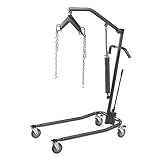 Drive Medical Hydraulic Patient Lift
A full lift is what makes one person able to manage a transfer alone. It is the single purchase that most often delays a move into residential care.
Check price on Amazon →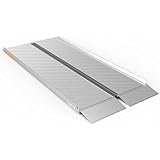 EZ-ACCESS Singlefold Wheelchair Ramp, 6 ft
Folds like a suitcase and carries in a car boot, so the same ramp handles the front step at home and the kerb at an appointment.
Check price on Amazon → Drive Medical Nitro Rollator with Seat
The seat matters more than the wheels. Being able to stop and rest is what decides whether someone still goes out at all.
Check price on Amazon → Vive Stand Assist Rail for Couch or Chair
Getting out of a low sofa is where most falls at home start. This is the cheapest thing on the list and often the first one needed.
Check price on Amazon →As an Amazon Associate we earn from qualifying purchases, at no extra cost to you. Researched guidance, not medical advice. Prices change, so check before buying.
When to See a Doctor (Don't Skip This)
Before managing symptoms, rule out treatable causes. See a doctor if:
- Incontinence is new or suddenly worse
- There's blood in urine or stool
- Pain or burning with urination
- Fever (could indicate infection)
- It's affecting quality of life
- Your parent is avoiding activities due to incontinence
Treatable Causes Your Doctor Should Check
Medication Side Effects
Diuretics, blood pressure meds, sedatives, and antidepressants can cause or worsen incontinence
Urinary Tract Infection
UTIs cause urgency and accidents, especially in seniors. Often present without classic symptoms
Constipation
Chronic constipation puts pressure on the bladder and can cause both urinary and fecal incontinence
Prostate Issues (Men)
Enlarged prostate causes overflow incontinence; prostate surgery can cause stress incontinence
Neurological Conditions
Stroke, Parkinson's, dementia, and diabetes can affect bladder control signals
Choosing the Right Products
The right products depend on severity, mobility, and personal preference. Don't use products designed for menstrual flow, they're not absorbent enough.
For Light Leakage (Drops to Tablespoons)
Incontinence Pads
Thin, discreet pads that adhere to regular underwear. Available for both men and women.
Best for: Light leakage, stress incontinence
Examples: Poise pads, Depend guards (men), Tena pads
Protective Underwear (Pull-Ups)
Look and feel like regular underwear but with built-in absorbency.
Best for: Active seniors, moderate leakage
Examples: Depend Silhouette, Always Discreet, Tena Stylish
For Moderate to Heavy Leakage
Adult Briefs (Tab-Style)
Fastens on sides with tape tabs. Easier to change without removing clothing.
Best for: Bedridden, mobility issues, heavy incontinence
Examples: Tranquility ATN, Abena Abri-Form, NorthShore Supreme
Booster Pads
Extra absorbency layer placed inside underwear or briefs for overnight or heavy flow.
Best for: Overnight protection, extending wear time
Add these to existing products for extra protection
Bed and Chair Protection
Disposable Underpads (Chux)
Absorbent pads placed under your parent on bed or chair. Single-use.
Best for: Nighttime protection, changing areas
Look for "tuckable" wings to keep pads in place
Washable Underpads
Reusable pads that can be washed. More environmentally friendly and cost-effective long-term.
Best for: Home use, cost savings over time
Have 3-4 on hand for rotation while washing
Waterproof Mattress Protectors
Full mattress encasement or fitted sheet style. Essential backup layer.
Best for: Protecting mattress investment
Get a breathable version to prevent overheating
Measure your parent's waist and hips. Products that are too small cause leaks at the edges; too large means gaps. Most brands have sizing charts on packaging. When in doubt, size up.
Skin Care: Preventing Damage
Prolonged contact with urine or stool breaks down skin, leading to painful rashes, sores, and infections. Skin care is not optional.
Change Promptly
Check at least every 2-3 hours when awake. Change immediately after bowel accidents. Prolonged moisture contact is the #1 cause of skin breakdown.
Clean Gently
Use incontinence wipes or a no-rinse cleanser. Avoid regular soap which is too harsh. Pat dry, don't rub. Disposable washcloths are gentler than toilet paper.
Apply Barrier Cream
Use a zinc oxide barrier cream (like Desitin or Calmoseptine) with every change. This creates a protective layer between skin and moisture.
Let Skin Breathe
When possible, leave skin exposed to air for short periods. Use breathable products rather than plastic-backed ones when appropriate.
- Redness that doesn't fade within 30 minutes of pressure relief
- Open sores or blisters
- Skin that looks shiny, dry, or cracked
- Pain in the area
- Signs of infection: warmth, swelling, pus, fever
Managing Specific Situations
Overnight Protection
- Use higher-absorbency products at night (look for "overnight" versions)
- Add booster pads for extra protection
- Use waterproof mattress protector + disposable underpad
- Limit fluids 2-3 hours before bed (but ensure adequate daily hydration)
- Make sure path to bathroom is well-lit and obstacle-free
- Consider bedside commode for those with mobility issues
Managing When Out and About
- Pack a "go bag" with extra products, wipes, plastic bags, and change of clothes
- Know where bathrooms are before arriving anywhere
- Use higher-absorbency products for outings
- Consider darker clothing that hides accidents better
- Carry hand sanitizer and deodorizing spray
- Don't let fear of accidents become isolation, with the right products, outings are possible
For Parents with Dementia
- Establish regular toileting schedule (every 2-3 hours)
- Look for behavioral cues: restlessness, pulling at clothes, agitation
- Simplify bathroom access: easy-to-remove clothing, clear path
- Use pull-up style products that feel like regular underwear
- Don't ask "do you need to use the bathroom", instead say "let's go to the bathroom"
- Consider motion-sensor nightlights to illuminate path to bathroom
Preserving Dignity: The Most Important Part
Incontinence is embarrassing for many people. How you handle it matters as much as the practical care.
Use Respectful Language
Say "incontinence products" or "protective underwear", not "diapers." Words matter to self-image.
Maintain Privacy
Close doors, draw curtains, and limit who is present during changes. Keep extra products stored discreetly.
Encourage Independence
Let your parent do as much as they safely can. Only assist with what's truly needed.
Stay Matter-of-Fact
Don't make a big deal about accidents. No sighing, no comments, no visible frustration. Just handle it calmly.
Never Shame
Comments like "again?" or expressions of disgust are deeply harmful. They didn't choose this.
Discuss Preferences
Ask which products feel most comfortable, what routines work best. Include them in decisions.
Lifestyle Changes That Help
Bladder Training
For urge incontinence, gradually increasing time between bathroom visits can help retrain the bladder:
- Start by noting current voiding schedule
- Gradually extend time between trips by 15-30 minutes
- When feeling urge, try distraction techniques (deep breathing, counting)
- Goal is 3-4 hours between bathroom visits
Pelvic Floor Exercises (Kegels)
Strengthening pelvic floor muscles helps with stress incontinence:
- Squeeze muscles used to stop urine flow
- Hold for 3-5 seconds, then relax
- Repeat 10-15 times, 3 times daily
- Takes 6-12 weeks to see improvement
- Ask doctor about pelvic floor physical therapy for personalized guidance
Dietary Adjustments
Some foods and drinks irritate the bladder:
- Reduce: Caffeine, alcohol, carbonated drinks, artificial sweeteners, spicy foods, citrus, tomatoes
- Increase: Fiber (prevents constipation which worsens incontinence)
- Maintain: Adequate fluid intake, cutting fluids too much concentrates urine and irritates the bladder
Weight Management
Excess weight puts pressure on the bladder and pelvic floor. Even modest weight loss can improve symptoms.
Supplies to Keep On Hand
- 2-4 weeks supply of preferred absorbent products
- Incontinence wipes (fragrance-free)
- Barrier cream (zinc oxide based)
- Disposable gloves (non-latex if allergies)
- Disposable underpads
- Waterproof mattress protector
- Plastic bags for disposal
- Deodorizing spray (for rooms, not skin)
- Extra underwear and loose-fitting clothing
- Portable urinal or bedside commode (for nighttime)
Where to Buy Supplies
- Drugstores: CVS, Walgreens, convenient but often most expensive
- Big box stores: Costco, Sam's Club, bulk purchases save money
- Online: Amazon, NorthShore Care Supply, HDIS, best selection and often best prices
- Medical supply companies: May bill Medicare for qualifying products
- Subscribe & Save: Amazon and others offer discounts for recurring orders
Original Medicare doesn't cover incontinence supplies, but some Medicare Advantage plans do. Medicaid coverage varies by state but often includes incontinence products. Check your specific plan.
Caring for the Caregiver
Incontinence care is physically and emotionally demanding. Take care of yourself:
- Use proper body mechanics when helping with changes to protect your back
- Wear gloves to protect yourself and maintain hygiene
- Accept that accidents happen: frustration is normal but try not to show it
- Get respite care so you can take breaks
- Talk to someone: a support group, counselor, or trusted friend
- Consider professional help: home health aides can assist with personal care
Daily Care Made Easier
Our Care Coordination Binder includes daily logs for tracking symptoms, supply checklists, and care routines.
Get the Complete SystemRelated Guides
- UTI Symptoms in the Elderly: Why They're Different
- Signs Your Elderly Parent Needs Help
- Caregiver Burnout: Signs, Symptoms, and Solutions
- Home Health vs Home Care: What's the Difference?
Products that help with incontinence care
We independently research every recommendation. As an Amazon Associate we earn from qualifying purchases, at no extra cost to you. Disclosure.
- Incontinence Products →Absorbent briefs, pads, and bed protection rated for overnight use.