Caregiving stress isn't like regular stress. It's chronic, unpredictable, and often comes with grief, guilt, and isolation. Standard advice, "take a bubble bath", can feel insulting when you haven't had an uninterrupted shower in weeks.
This guide offers practical strategies that acknowledge the reality of caregiving while helping you protect your mental and physical health.
Caregivers have higher rates of depression, anxiety, and chronic illness than non-caregivers. This isn't weakness, it's the result of prolonged stress without adequate support or relief. Taking stress seriously isn't selfish; it's necessary.
Understanding Caregiver Stress
Why It's Different
- No end date: Unlike work stress with deadlines, caregiving continues indefinitely
- 24/7 demands: You're never truly "off"
- Grief while caregiving: You're mourning losses while still providing care
- Identity loss: Your sense of self can become subsumed by the caregiver role
- Isolation: Your world shrinks as caregiving takes over
- Lack of control: The disease progresses regardless of your efforts
Warning Signs Your Stress Is Too High
- Feeling overwhelmed or constantly worried
- Exhaustion that doesn't improve with rest
- Sleeping too much or too little
- Gaining or losing weight
- Irritability or anger
- Loss of interest in things you used to enjoy
- Frequent illness
- Increasing use of alcohol or sleep aids
- Neglecting your own health
The equipment that changes the most
Most of what caregiving costs is time. These four are the purchases that reliably buy some of it back, and they are the ones families tell us they wish they had bought sooner.
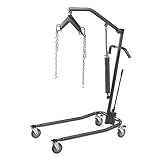 Drive Medical Hydraulic Patient Lift
A full lift is what makes one person able to manage a transfer alone. It is the single purchase that most often delays a move into residential care.
Check price on Amazon →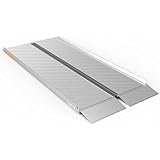 EZ-ACCESS Singlefold Wheelchair Ramp, 6 ft
Folds like a suitcase and carries in a car boot, so the same ramp handles the front step at home and the kerb at an appointment.
Check price on Amazon → Drive Medical Nitro Rollator with Seat
The seat matters more than the wheels. Being able to stop and rest is what decides whether someone still goes out at all.
Check price on Amazon → Vive Stand Assist Rail for Couch or Chair
Getting out of a low sofa is where most falls at home start. This is the cheapest thing on the list and often the first one needed.
Check price on Amazon →As an Amazon Associate we earn from qualifying purchases, at no extra cost to you. Researched guidance, not medical advice. Prices change, so check before buying.
Daily Stress Management
Micro-Breaks
When you can't get away, take tiny breaks throughout the day:
- 3 deep breaths: Before entering their room, before responding to frustration
- 5-minute step outside: Fresh air, different view
- One song: Put on headphones, listen to one favorite song
- Stretch: 2 minutes of stretching while they nap
- Cup of tea: Sit and drink it slowly, even for 5 minutes
Grounding Techniques
When stress feels overwhelming:
- 5-4-3-2-1: Name 5 things you see, 4 you hear, 3 you touch, 2 you smell, 1 you taste
- Cold water: Run cold water over your wrists
- Physical reset: Splash face, do 10 jumping jacks, hold ice cube
- Box breathing: Breathe in 4 counts, hold 4, out 4, hold 4
Thought Management
- Notice catastrophizing: "This will never end" → "This is hard right now"
- Challenge "shoulds": "I should be able to handle this" → "This is genuinely difficult"
- Permission statements: "It's okay to feel frustrated"
- Present focus: Worry about today, not next year
Research shows that simply naming emotions reduces their intensity. "I'm feeling resentful right now" is more helpful than either suppressing the feeling or acting on it. Feelings aren't facts, they're information.
Building Support
Accept Help (Really)
When someone offers help:
- Say yes, even if it's not perfect
- Have a list ready of specific tasks they could do
- Don't redo their work, good enough is good enough
- Stop saying "I'm fine" when you're not
Ask for Help (Specifically)
- "Can you sit with Mom for 2 hours on Saturday so I can [specific activity]?"
- "Can you pick up groceries for me?"
- "Can you call and just listen for 10 minutes?"
- People want to help but don't know how, tell them
Find Your People
- Support groups: In-person or online; people who truly understand
- One trusted friend: Who you can be completely honest with
- Therapist: Professional support is valid and helpful
- Other caregivers: Connection with those in similar situations
Some friends and family won't get it. They'll offer unhelpful advice, disappear, or criticize. Protect your energy, spend less time with people who drain you, more with those who support you. It's okay to limit contact.
Protecting Your Physical Health
Stress affects your body. Caregivers have higher rates of heart disease, weakened immune systems, and chronic conditions.
Non-Negotiables
- Sleep: Prioritize it; sleep deprivation worsens everything
- Medication: Take your own medications; keep your own appointments
- Movement: Even 10 minutes of walking helps
- Basic nutrition: Eat something besides their leftovers
Quick Health Habits
- Keep healthy snacks visible and accessible
- Drink water (set reminders if needed)
- Stretch while waiting for medication to dispense
- Do chair exercises while watching TV with them
- Walk around the house or yard when possible
Protecting Your Mental Health
Maintain Identity Beyond Caregiving
- Keep at least one activity that's just for you
- Stay in touch with at least one friend
- Continue working if possible and desired
- Have interests and opinions that aren't about caregiving
- Remember who you were before this role
Process the Grief
- You're grieving who they were, who they're becoming, and your own lost life
- This grief is real and valid even though they're still alive
- Allow yourself to feel sad, angry, scared
- Consider grief counseling
Manage Guilt
- Perfect doesn't exist: You're doing the best you can with what you have
- Taking breaks isn't abandonment: It's sustainability
- Negative feelings are normal: You can love someone and feel frustrated by caregiving
- Seeking help isn't failure: It's wisdom
You have permission to: feel resentful sometimes, need breaks, not enjoy caregiving, wish things were different, prioritize your own health, hire help, consider placement, have your own life.
When Stress Becomes Crisis
Warning Signs
- Thoughts of harming yourself or your parent
- Feeling completely hopeless
- Inability to function day-to-day
- Increasing substance use
- Physical symptoms that don't resolve
What to Do
- 988: Suicide and Crisis Lifeline (call or text)
- Emergency room: If you're in danger
- Therapist: Make an urgent appointment
- Respite care: Get emergency coverage so you can get help
Long-Term Sustainability
Set Boundaries
- Define what you will and won't do
- Communicate boundaries to family
- Have off-duty times when someone else is on call
- Say no to non-essential requests
Plan for Respite
- Schedule regular breaks, not just crisis ones
- Use adult day programs
- Hire help for predictable hours each week
- Take a real vacation periodically (not just a weekend)
Know Your Limits
- What would make caregiving impossible for you?
- What alternatives exist when you reach that point?
- Have honest conversations with family about sustainability
- Placement isn't failure, it may be the right choice
Caregiver Self-Care Resources
Our Caregiver Wellness Kit includes stress assessments, self-care planning tools, and resources for protecting your health.
Get the Complete Caregiver Kit- Caregiver stress is real and has physical and mental health consequences
- Use micro-breaks and grounding techniques throughout the day
- Accept and ask for help with specific requests
- Maintain at least one thing that's just for you
- Protect your physical health, it enables your caregiving
- Process grief and manage guilt, they're part of the journey
- Know your limits and plan for when you reach them
- If you're in crisis, call 988 or seek emergency help