The average person over 65 takes four or more prescription medications. Many take ten or more. This situation, called polypharmacy, is increasingly common and creates real risks: drug interactions, side effects, medication errors, and the simple challenge of keeping track of what to take when.
As a caregiver, you play a critical role in helping your parent manage medications safely. Understanding the risks, implementing good systems, and knowing when to push back on unnecessary prescriptions can literally save your parent's life.
Adverse drug events cause over 125,000 deaths and 1.3 million emergency room visits annually in the US. Elderly patients are at highest risk due to multiple medications, age-related body changes, and complex health conditions. Many of these events are preventable.
The Risks of Multiple Medications
Drug Interactions
When multiple drugs are taken together, they can interact in dangerous ways:
- One drug amplifies another: Blood thinners + aspirin = increased bleeding risk
- One drug reduces another's effectiveness: Some antacids block absorption of other medications
- Combined side effects: Multiple sedating medications = extreme drowsiness, falls, confusion
- Competition for processing: Liver processes many drugs; too many can overwhelm it
Common Dangerous Interactions in Elderly
| Combination | Risk |
|---|---|
| Warfarin + NSAIDs (ibuprofen, aspirin) | Serious bleeding |
| Blood pressure meds + NSAIDs | Reduced BP control, kidney damage |
| Multiple sedatives/sleep aids | Over-sedation, falls, confusion |
| ACE inhibitors + potassium supplements | Dangerous potassium levels |
| Statins + certain antibiotics | Muscle damage (rhabdomyolysis) |
| Metformin + contrast dye (CT scans) | Kidney damage |
Prescribing Cascades
A prescribing cascade occurs when a side effect is treated with another drug, which causes its own side effects, leading to more drugs:
- Calcium channel blocker causes swollen ankles
- Diuretic prescribed for swelling
- Diuretic causes gout
- Gout medication prescribed
- And so on...
When a new medication is prescribed, always ask: "Is this treating a side effect of another medication? Could we address this differently?" Sometimes reducing or changing an existing medication is better than adding a new one.
The equipment that changes the most
Most of what caregiving costs is time. These four are the purchases that reliably buy some of it back, and they are the ones families tell us they wish they had bought sooner.
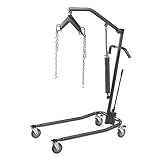 Drive Medical Hydraulic Patient Lift
A full lift is what makes one person able to manage a transfer alone. It is the single purchase that most often delays a move into residential care.
Check price on Amazon →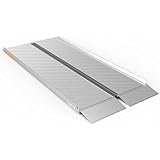 EZ-ACCESS Singlefold Wheelchair Ramp, 6 ft
Folds like a suitcase and carries in a car boot, so the same ramp handles the front step at home and the kerb at an appointment.
Check price on Amazon → Drive Medical Nitro Rollator with Seat
The seat matters more than the wheels. Being able to stop and rest is what decides whether someone still goes out at all.
Check price on Amazon → Vive Stand Assist Rail for Couch or Chair
Getting out of a low sofa is where most falls at home start. This is the cheapest thing on the list and often the first one needed.
Check price on Amazon →As an Amazon Associate we earn from qualifying purchases, at no extra cost to you. Researched guidance, not medical advice. Prices change, so check before buying.
Creating a Medication Management System
The Complete Medication List
Maintain a master list that includes:
- All prescription medications (name, dose, frequency, prescribing doctor)
- Over-the-counter medications and supplements
- Vitamins and herbal products
- Eye drops, inhalers, patches, creams
- As-needed medications
- Recently stopped medications (past 3 months)
- Drug allergies and reactions
Keep the medication list in your parent's wallet, on the refrigerator, in your phone, and in their medical binder. Update it whenever anything changes. This list is critical in emergencies.
Pill Organization Systems
| System | Best For | Considerations |
|---|---|---|
| Weekly pill organizer | Simple regimens, cognitively intact | Inexpensive; requires weekly refilling; no reminders |
| Monthly organizers | Complex regimens | Less frequent refilling; large containers |
| Pharmacy blister packs | Those needing visual confirmation | Pharmacy pre-fills; dated; harder to adjust if changes |
| Automated dispensers | Memory issues, complex schedules | Hero, MedMinder, etc.; alerts; locks medications; $20-75/month |
| Medication management service | Complex needs, multiple pharmacies | Professional organization; monitoring; cost varies |
Setting Up Reminders
- Phone alarms: Set for each medication time
- Smart speakers: "Alexa, remind me to take my pills at 8 AM"
- Apps: Medisafe, CareZone, Mango Health
- Pill bottle caps: Timer caps that show time since last opened
- Automated dispensers: Visual and audio alerts
- Daily routine: Link medications to regular activities (breakfast, bedtime)
Every 6-12 months, gather ALL medications (including OTC and supplements) in a bag and bring them to a doctor or pharmacist appointment. They can review everything together, check for interactions, and identify medications that may no longer be needed.
Working with Healthcare Providers
The One-Pharmacy Rule
Using a single pharmacy for all prescriptions is one of the most important safety measures:
- Pharmacist sees all medications and can catch interactions
- Automated alerts for dangerous combinations
- Single source for refills and records
- Easier synchronization of refill dates
Medication Synchronization
Ask your pharmacy about "med sync", aligning all prescriptions to refill on the same day each month. Benefits:
- One pharmacy trip instead of many
- Easier to track what's needed
- Reduces missed or forgotten refills
- Monthly review opportunity with pharmacist
Questions to Ask the Pharmacist
- Are there any interactions between these medications?
- Are any of these duplicates (same drug class)?
- Which medications shouldn't be taken together at the same time?
- Are there foods or supplements to avoid?
- What are the most important side effects to watch for?
- Is there a cheaper generic available?
Pharmacists are medication experts and often more accessible than doctors. Many pharmacies offer free medication reviews. Don't hesitate to ask questions, it's their job to help keep patients safe.
At Doctor Appointments
Before every appointment:
- Bring the updated medication list
- List any problems: side effects, difficulty taking medications, concerns
- Know which doctor prescribed each medication
During the appointment, ask:
- "Are all these medications still necessary?"
- "Can we stop or reduce any of these?"
- "Is this new symptom possibly a medication side effect?"
- "What is the goal of this medication? How will we know if it's working?"
Deprescribing: Reducing Unnecessary Medications
Deprescribing is the intentional process of stopping or reducing medications that are no longer beneficial or may be causing harm. It's an important conversation to have with doctors.
Medications Often Candidates for Review
- Proton pump inhibitors (PPIs): Often continued longer than needed; linked to fractures, infections, kidney problems with long-term use
- Benzodiazepines: High risk of falls, confusion, dependency in elderly
- Sleep medications: Risky in elderly; tolerance develops
- Antipsychotics: In dementia patients, may not be necessary long-term
- Medications started in hospital: May not be needed after discharge
- Preventive medications: Benefit decreases with limited life expectancy
Some medications (beta blockers, steroids, seizure medications, antidepressants) can cause serious problems if stopped suddenly. Always work with a doctor on any medication changes, even if reducing or stopping seems obviously beneficial.
How to Raise Deprescribing with Doctors
- "My parent is taking many medications. Can we review whether all of them are still necessary?"
- "What would happen if we stopped this medication?"
- "Is this medication adding enough benefit to be worth the risks at their age?"
- "They're having [symptom], could this be from a medication?"
Handling Specific Challenges
When Your Parent Forgets to Take Medications
- Simplify the regimen if possible (once-daily vs three times daily)
- Use automated dispensers with alerts
- Link medications to unchanging routines
- Consider pharmacy blister packaging
- Involve home health aide in medication prompts
- Check pill organizer to see what's been taken
When Your Parent Refuses to Take Medications
First, understand why:
- Side effects? Maybe medication can be changed
- Too many pills? Simplification may help
- Doesn't believe they need it? Education about condition
- Can't swallow pills? Liquid or crushed alternatives
- Depression or cognitive decline? Address underlying issue
- Cost concerns? Explore assistance programs, generics
When Your Parent Takes Medications Incorrectly
- Double-dosing: Use organizers with day/time marked; automated dispensers that lock
- Wrong time: Clear labeling, alarms, simpler schedules
- With wrong food/drink: Written instructions posted near medications
- Sharing medications: Education about dangers; separate storage
If your parent has memory problems, they likely cannot safely manage their own medications, even with reminders. Someone else needs to administer medications, whether family, home health aide, or facility staff.
Special Medication Considerations
High-Risk Medications in Elderly
The Beers Criteria is a list of medications that are potentially inappropriate for older adults. Medications to use with particular caution:
- Anticholinergics: Benadryl, Tylenol PM, bladder medications, cause confusion, fall risk
- Benzodiazepines: Valium, Xanax, Ativan, fall risk, confusion, dependency
- Opioids: Increased sensitivity, constipation, confusion
- NSAIDs: Ibuprofen, naproxen, kidney damage, bleeding, heart risk with long-term use
- Muscle relaxants: Highly sedating in elderly
- Long-acting sulfonylureas: Hypoglycemia risk for diabetes
Supplements and Interactions
Many people don't think to mention supplements, but they can cause interactions:
- St. John's Wort: Interacts with many medications; reduces effectiveness of some drugs
- Ginkgo biloba: Increases bleeding risk with blood thinners
- Vitamin E: High doses increase bleeding risk
- Calcium: Blocks absorption of some antibiotics and thyroid medications
- Fish oil: May increase bleeding risk with blood thinners
- Grapefruit: Interacts with many medications; increases their potency
Include all vitamins, herbs, and supplements on the medication list and tell every healthcare provider about them. "Natural" doesn't mean safe, especially in combination with prescription medications.
Emergency Situations
Signs of Medication Problems
Seek immediate help if your parent shows:
- Sudden confusion or altered mental status
- Severe drowsiness or inability to wake
- Difficulty breathing
- Severe dizziness or fainting
- Unusual bleeding or bruising
- Swelling of face, lips, tongue (allergic reaction)
- Severe skin rash
- Chest pain or irregular heartbeat
What to Do for Suspected Overdose or Wrong Medication
- Call Poison Control: 1-800-222-1222 (available 24/7)
- Don't make them vomit unless instructed
- Gather the medication bottles
- Note when it was taken and how much
- Call 911 if symptoms are severe
Stay Organized and Safe
Our Medication Tracker helps you maintain complete medication lists, track changes, and stay organized for doctor appointments.
Get the Complete Caregiver KitYour Medication Management Checklist
- Complete medication list (updated whenever changes occur)
- Single pharmacy for all prescriptions
- Pill organization system appropriate for needs
- Reminder system in place
- Regular medication reviews with doctor and/or pharmacist
- Questions asked about necessity of each medication
- High-risk medications identified and monitored
- All supplements reported to healthcare providers
- Emergency plan if medication problems occur
- Multiple medications create real risks: interactions, side effects, errors
- Maintain a complete, updated medication list always
- Use one pharmacy for all prescriptions
- Choose an organization system that matches their cognitive ability
- Ask about deprescribing, fewer medications is often safer
- Include supplements in all medication discussions
- Know the signs of medication problems and what to do