Medication errors are one of the leading causes of emergency room visits for older adults. The average senior takes 4-5 prescription medications daily, some take a dozen or more. Missed doses, double doses, and dangerous interactions send 125,000 people to the hospital annually.
The right reminder system can prevent these emergencies and give you peace of mind that your parent is taking their medications safely.
Some medications are particularly dangerous if missed or doubled: blood thinners (warfarin), insulin, heart medications, and seizure drugs. If your parent takes these, a reliable reminder system isn't optional, it's essential.
Signs of Medication Problems
- Pills left in weekly organizer at end of day
- Bottles with far too many or too few pills
- Confusion about what they've taken
- Multiple pill bottles of same medication
- Expired medications in cabinet
- Prescriptions not refilled on time
- Taking medications at wrong times
- New symptoms that might be side effects
The equipment that changes the most
Most of what caregiving costs is time. These four are the purchases that reliably buy some of it back, and they are the ones families tell us they wish they had bought sooner.
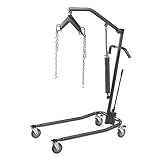 Drive Medical Hydraulic Patient Lift
A full lift is what makes one person able to manage a transfer alone. It is the single purchase that most often delays a move into residential care.
Check price on Amazon →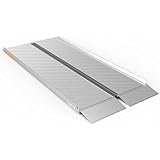 EZ-ACCESS Singlefold Wheelchair Ramp, 6 ft
Folds like a suitcase and carries in a car boot, so the same ramp handles the front step at home and the kerb at an appointment.
Check price on Amazon → Drive Medical Nitro Rollator with Seat
The seat matters more than the wheels. Being able to stop and rest is what decides whether someone still goes out at all.
Check price on Amazon → Vive Stand Assist Rail for Couch or Chair
Getting out of a low sofa is where most falls at home start. This is the cheapest thing on the list and often the first one needed.
Check price on Amazon →As an Amazon Associate we earn from qualifying purchases, at no extra cost to you. Researched guidance, not medical advice. Prices change, so check before buying.
Choosing the Right System
The best system depends on your parent's cognitive ability, how many medications they take, and whether they live alone.
| Cognitive Level | Best Options |
|---|---|
| Fully Independent | Pill organizer, phone alarms, apps |
| Mild Forgetfulness | Alarms + organizer, talking reminders |
| Moderate Impairment | Automatic dispensers with alerts |
| Significant Impairment | Locked dispensers, caregiver administration |
Basic Pill Organizers
Weekly Pill Boxes
- Best for: Seniors who just need visual organization
- Cost: $5-15
- 7 days with AM/PM compartments
- Easy to see if dose was taken
- No batteries or technology
- Must remember to check it
Monthly Organizers
- Best for: Caregivers who fill medications weekly
- Cost: $15-30
- 30-31 day capacity
- Fill once monthly
- Reduces filling frequency
Large-Print and Easy-Open
- Big compartment labels for poor vision
- Push-button lids for arthritis
- Color-coded compartments
- Braille options available
Many pharmacies offer blister pack packaging where each dose is sealed in individual packets labeled with date and time. Ask your parent's pharmacy about this service, often free or low cost.
Alarm-Based Reminders
Phone Alarms
- Best for: Tech-comfortable seniors
- Cost: Free
- Set recurring alarms for each med time
- Label with "Morning Meds" etc.
- Easy to dismiss accidentally
- Requires phone to be nearby and charged
Dedicated Pill Timers
- Best for: Those who don't use smartphones
- Cost: $10-30
- Multiple daily alarms
- Loud, hard-to-ignore alerts
- Can attach to pill bottle
- Simple to program
Vibrating Pill Reminders
- Best for: Hearing impaired
- Cost: $15-40
- Worn like watch
- Vibration alerts
- Multiple alarms
Smart Pill Organizers
Alarm Pill Boxes
- Best for: Moderate forgetfulness
- Cost: $20-50
- Built-in alarms for each compartment
- Light flashes on correct compartment
- Alarm repeats until opened
- Still requires manual compliance
Connected Pill Boxes with Alerts
- Best for: Remote monitoring
- Cost: $50-150 + possible subscription
- Sends alerts to caregiver if dose missed
- Tracks adherence history
- App shows when pills were taken
- WiFi or cellular connected
Even "simple" smart devices require setup and may confuse some seniors. Plan to help with initial setup and expect an adjustment period. Sometimes simpler is better.
Automatic Pill Dispensers
These are the gold standard for seniors with memory issues or complex medication regimens.
How They Work
- Pre-loaded with medications (by caregiver or pharmacy)
- Dispenses correct dose at correct time
- Alarms until pills are removed
- Locks between doses (no double-dosing)
- Alerts caregiver if dose is missed
Types of Automatic Dispensers
Carousel Dispensers
- Rotating tray dispenses into cup
- Holds 28-90 doses
- $100-300
- You fill the trays
Locked Dispensers
- Can't access pills except at scheduled time
- Prevents taking extras
- Important for controlled substances
- $200-500
Pharmacy-Managed Dispensers
- Pharmacy fills and manages
- Monthly subscription service
- Remote monitoring included
- $50-100/month
- Most hands-off option
Popular Dispenser Brands
- Hero: Pharmacy-managed, app-controlled
- MedMinder: Locked compartments, cellular alerts
- PillPack by Amazon: Pre-sorted packets delivered
- TabTimer: Carousel-style, programmable
- Philips Lifeline: Integrated with medical alert system
Some Medicare Advantage plans and long-term care insurance policies cover medication management devices. Check with your parent's insurance to see if they qualify for coverage or reimbursement.
Medication Management Apps
For Tech-Savvy Seniors
- Medisafe: Reminders, refill alerts, family sharing
- CareZone: Medication list, reminders, pharmacy integration
- MyMeds: Simple interface, large buttons
- Pill Reminder: Basic reminder app
For Caregivers
- Track if parent took medications remotely
- Get alerts for missed doses
- Coordinate with multiple caregivers
- Keep medication list for doctor visits
Additional Strategies
Simplify the Regimen
- Ask doctor about once-daily versions of medications
- Consolidate to fewer pharmacies (ideally one)
- Request medication synchronization (all refills at same time)
- Question if every medication is still necessary
Create Routines
- Link medications to daily activities (breakfast, dinner)
- Keep pills in visible location
- Same time every day
- Never take from bottles, always from organizer
Enlist Help
- Check-in calls: "Did you take your pills?"
- Visiting nurse: For complex regimens
- Neighbors or friends: Daily check
- Adult day programs: Often include med administration
Setting Up a New System
Step 1: List All Medications
- Name, dose, frequency, time
- Include OTC medications and supplements
- Note which require food
- Note which can't be taken together
Step 2: Choose Appropriate Technology
- Match to cognitive ability
- Consider vision, hearing, dexterity
- Start simpler, upgrade if needed
Step 3: Set Up and Test
- Program all alarms and reminders
- Fill organizer or dispenser
- Watch them use it for a week
- Make adjustments
Step 4: Monitor and Adjust
- Check adherence weekly at first
- Count pills in bottles periodically
- Review if system is working
- Upgrade technology if needed
At least annually, have a pharmacist or doctor review all medications. Seniors are often on drugs that interact badly or are no longer necessary. This review can simplify their regimen and reduce risks.
When Technology Isn't Enough
If your parent can no longer safely self-administer medications even with reminders:
- Home health aide: Can prompt and observe (but not administer in most states)
- Visiting nurse: Can administer and monitor
- Assisted living: Staff administers all medications
- Adult day programs: Medication administration during program hours
Medication Tracking Tools
Our Caregiver Kit includes medication log templates and pharmacy comparison worksheets.
Get the Complete Caregiver Kit- Medication errors are preventable with the right system
- Match technology to cognitive and physical abilities
- Simple weekly organizers work for many seniors
- Automatic dispensers prevent double-dosing and provide alerts
- Pharmacy blister packs simplify organization
- Build medication times into daily routines
- Monitor adherence, especially at first
- Review medications annually to simplify regimen
- Consider professional help if self-administration fails