Moving an Elderly Parent In With You: What to Consider
Your parent can no longer live alone. One option: they move in with you. It's a generous, loving choice, and a major life decision that affects everyone in your household. Before you decide, consider these practical realities.
Hospital discharges, falls, and health scares create pressure to make quick decisions. If possible, arrange temporary care (rehab, short-term assisted living) while you think this through. A hasty decision can lead to burnout and regret.
The Honest Pros and Cons
Potential Benefits
- Peace of mind knowing they're safe
- Save money vs. facility care
- More time together
- They can stay in a family environment
- Children can develop bond with grandparent
- You control the quality of care
Potential Challenges
- Loss of privacy and personal space
- Strain on marriage/relationship
- Caregiver burnout
- May need to quit job or reduce hours
- Home modifications can be expensive
- Care needs may exceed what you can provide
The equipment that changes the most
Most of what caregiving costs is time. These four are the purchases that reliably buy some of it back, and they are the ones families tell us they wish they had bought sooner.
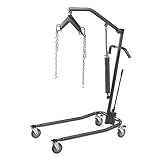 Drive Medical Hydraulic Patient Lift
A full lift is what makes one person able to manage a transfer alone. It is the single purchase that most often delays a move into residential care.
Check price on Amazon →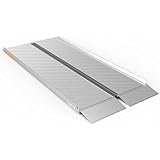 EZ-ACCESS Singlefold Wheelchair Ramp, 6 ft
Folds like a suitcase and carries in a car boot, so the same ramp handles the front step at home and the kerb at an appointment.
Check price on Amazon → Drive Medical Nitro Rollator with Seat
The seat matters more than the wheels. Being able to stop and rest is what decides whether someone still goes out at all.
Check price on Amazon → Vive Stand Assist Rail for Couch or Chair
Getting out of a low sofa is where most falls at home start. This is the cheapest thing on the list and often the first one needed.
Check price on Amazon →As an Amazon Associate we earn from qualifying purchases, at no extra cost to you. Researched guidance, not medical advice. Prices change, so check before buying.
Questions to Ask Yourself
Is Your Home Suitable?
- Is there a bedroom on the main floor (stairs become impossible)?
- Is there a bathroom they can access easily?
- How much modification would be needed (grab bars, ramps, wider doors)?
- Is there enough space for everyone to have privacy?
What Is Your Parent's Care Level?
- Can they manage daily activities (bathing, dressing, toileting)?
- Do they need help with medications?
- Do they have dementia or behavior issues?
- Do they need overnight care?
- What is their likely trajectory, will needs increase?
How Will This Affect Your Family?
- Is your spouse/partner fully on board (not just agreeing reluctantly)?
- How will your children be affected?
- Do you have the emotional bandwidth for caregiving?
- How is your relationship with your parent, honestly?
What About Finances?
- Will your parent contribute financially?
- Can you afford home modifications?
- Will you need to hire help?
- Can you afford to work less if needed?
What's the Exit Plan?
- At what point would a facility become necessary?
- What if it doesn't work out?
- What happens if you become ill or burned out?
The Full Family Discussion
Before deciding, have honest conversations with:
- Your spouse/partner: They must genuinely agree, not just acquiesce
- Your children: Depending on age, their needs matter too
- Your parent: Do they actually want this? Some prefer independence
- Your siblings: How will caregiving responsibilities be shared?
This decision can make or break marriages. If your spouse is agreeing reluctantly or "for you," resentment will build. Both partners must genuinely want this, or at minimum, both understand and accept the tradeoffs.
Financial Considerations
Potential Costs
- Home modifications: $5,000-$50,000+ depending on needs
- Extra utilities: Heat, electricity, water
- Additional food costs
- Home health aides: $20-30/hour if needed
- Medical supplies: Incontinence products, medications
- Lost income: If you reduce work hours
Ways to Share Costs
- Parent contribution: Using their Social Security, pension, savings
- Sibling contributions: If you're doing the work, they can pay
- Medicaid programs: Some states pay family caregivers
- VA benefits: If parent is a veteran
- Caregiver agreement: Written contract to pay you for care
Home Modifications
Common needs:
- Main floor bedroom and bathroom
- Grab bars in bathroom
- Walk-in shower or tub with seat
- Ramp if steps at entrance
- Wider doorways for wheelchair/walker
- Medical alert system
- Better lighting
- Non-slip flooring
Setting Boundaries
Before they move in, establish:
- Private spaces: Your bedroom is yours. Their room is theirs.
- Daily routines: Meal times, quiet hours, TV schedules
- Parenting: You parent your children, not them
- Visitors: Both of you can have guests
- Finances: Who pays for what
- Respite: You get time off
When It Might Not Be the Right Choice
- Your parent has dementia with wandering or aggression
- They need 24-hour supervision you can't provide
- Your relationship with them is conflictual
- Your spouse is strongly opposed
- Your home can't be modified adequately
- Your own health would suffer
- You're doing it out of guilt, not genuine willingness
Alternatives to Consider
- Assisted living near you: Close but not in your home
- ADU (accessory dwelling unit): Separate space on your property
- You move closer to them: Keep visiting easy
- Heavy in-home care: They stay in their home with more support
- Rotating among siblings: Share the caregiving
Making It Work If You Decide Yes
- Get professional help: Even part-time aide gives you breaks
- Use adult day programs: Gives everyone time apart
- Maintain your life: Keep working, seeing friends, exercising
- Schedule respite: Regular breaks are essential
- Family meetings: Regular check-ins to address issues
- Support group: Connect with other family caregivers
Care Needs Assessment
Evaluate what level of care your parent needs to help with your decision.
Take Assessment