The hardest hours of caregiving often happen after dark. Bathroom trips, wandering, confusion, calls for help, nighttime caregiving is exhausting and unsustainable without the right strategies. Here's how to manage overnight care while protecting your own health.
Common Nighttime Challenges
Frequent Bathroom Trips
Many elderly people wake 2-6 times per night to urinate. Prostate issues, medication timing, and reduced bladder capacity all contribute. Each trip risks falls and wakes both of you.
Wandering (Dementia)
People with dementia often wander at night, confused about time and place. This is dangerous, they can fall, leave the house, or injure themselves.
Sundowning
Increased confusion, agitation, and anxiety in late afternoon/evening is called sundowning. It disrupts sleep for everyone.
Pain
Pain worsens at night when there are fewer distractions. Arthritis, neuropathy, and other chronic conditions disrupt sleep.
Fear and Anxiety
Darkness and quiet amplify anxiety. Some elderly people call out repeatedly for reassurance that you're there.
Day/Night Reversal
Sleeping all day and being awake all night, common with dementia and inactivity. Exhausting for caregivers who must function during normal hours.
The equipment that changes the most
Most of what caregiving costs is time. These four are the purchases that reliably buy some of it back, and they are the ones families tell us they wish they had bought sooner.
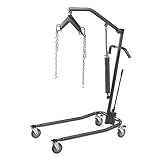 Drive Medical Hydraulic Patient Lift
A full lift is what makes one person able to manage a transfer alone. It is the single purchase that most often delays a move into residential care.
Check price on Amazon →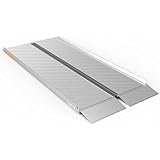 EZ-ACCESS Singlefold Wheelchair Ramp, 6 ft
Folds like a suitcase and carries in a car boot, so the same ramp handles the front step at home and the kerb at an appointment.
Check price on Amazon → Drive Medical Nitro Rollator with Seat
The seat matters more than the wheels. Being able to stop and rest is what decides whether someone still goes out at all.
Check price on Amazon → Vive Stand Assist Rail for Couch or Chair
Getting out of a low sofa is where most falls at home start. This is the cheapest thing on the list and often the first one needed.
Check price on Amazon →As an Amazon Associate we earn from qualifying purchases, at no extra cost to you. Researched guidance, not medical advice. Prices change, so check before buying.
Essential Equipment for Safe Nights
Bed Rails
Help with repositioning and prevent rolling out of bed. Choose rails specifically designed for home beds, not makeshift solutions.
Bedside Commode
Eliminates dangerous trips to the bathroom. Place within arm's reach with a nightlight illuminating the path.
Motion-Sensor Nightlights
Automatically illuminate when they get up. Place in bedroom, hallway, and bathroom. Reduce fall risk significantly.
Baby Monitor / Camera
See and hear your parent without getting up. Two-way audio lets you provide verbal reassurance. Some caregivers sleep better knowing they'll be alerted.
Bed Alarm
Alerts when your parent gets out of bed. Important for fall risks and wanderers. Choose ones that alert you, not just make noise in their room.
Door/Window Alarms
For wandering. Simple $10 alarms that chime when doors open. More advanced systems can notify your phone.
Medical Alert System
If they fall when you're asleep, they can call for help. Choose systems with automatic fall detection.
Hospital Bed
Adjustable head/foot positions help with comfort and breathing. Built-in rails. Medicare may cover with proper documentation.
Reducing Nighttime Bathroom Trips
- Limit evening fluids - Reduce drinks after 6pm, but maintain adequate hydration earlier
- Time medications - Ask doctor about morning dosing for diuretics
- Double void before bed - Empty bladder, wait 5 minutes, try again
- Treat underlying causes - UTI, prostate issues, diabetes affect nighttime frequency
- Consider protective underwear - Sometimes it's safer to use incontinence products than risk falls
- Bedside commode - Shorter, safer trip than to bathroom
Managing Dementia at Night
Dementia makes nighttime especially challenging:
- Remove access to stove, car keys, sharp objects at night
- Keep shoes hidden if they try to leave
- Use door alarms on all exits
- Consider GPS tracker if wandering risk is high
- Install locks that require keys to exit
- Never physically restrain, this causes injury and terror
When Nighttime Wandering Becomes Dangerous
If your parent:
- Leaves the house at night
- Falls repeatedly during nighttime episodes
- Becomes aggressive when redirected
- Cannot be kept safe despite interventions
...it may be time to consider 24-hour care (either overnight aides or memory care facility). This isn't failure, it's safety.
Protecting Your Own Sleep
Caregiver sleep deprivation is dangerous, for you AND your parent. You cannot provide good care while chronically exhausted.
Strategies to Get More Sleep
- Sleep when they sleep - Nap during the day if nights are disrupted
- Share night duty - Trade off with spouse, sibling, or hired overnight aide
- Use monitoring technology - Cameras and alarms let you sleep knowing you'll be alerted if needed
- Separate rooms - If possible, sleep in a different room with a monitor
- Hire overnight help - Even one or two nights per week helps recovery
- Consider respite stays - Short-term facility stays let you catch up on sleep
Creating a Nighttime Routine
Consistent routines help elderly people (especially those with dementia) sleep better:
- Same time every night - Start bedtime routine at the same time daily
- Dim lights - Lower lights 1-2 hours before bed
- Limit screens - No TV or devices in the hour before bed
- Bathroom last - Final bathroom trip right before bed
- Comfortable environment - Right temperature (cool is better), quiet, dark
- Calming activity - Reading, gentle music, or relaxation
- Pain management - Medications timed for overnight relief
When to Hire Overnight Help
Consider overnight caregivers if:
- You're sleeping less than 5 hours consistently
- Your health is suffering
- You work during the day and can't nap
- Your parent needs hands-on care (repositioning, toileting) multiple times nightly
- Dementia wandering requires constant supervision
- You're becoming short-tempered or making mistakes due to exhaustion
Overnight Care Options
- Private hire caregivers: $15-25/hour depending on location
- Agency overnight aides: $200-400/night
- "Sleep" vs "awake" overnight: Awake aides cost more but are actively monitoring
- Rotating nights: Every other night, or just weeknights, to reduce cost
Medication Timing for Better Nights
Work with the doctor to optimize medication timing:
- Diuretics: Morning, not evening
- Stimulating medications: Earlier in the day
- Sedating medications: At bedtime if helpful for sleep
- Pain medications: Timed so peak effect covers overnight
- Sleep medications: Used carefully and short-term in elderly (see Beers list guide)
When Home Care Isn't Sustainable
Nighttime care needs sometimes exceed what home caregiving can provide safely. Warning signs:
- Multiple falls despite interventions
- Leaving the house despite alarms and locks
- Aggression when redirected
- Needing physical assistance every 1-2 hours
- Caregiver health deteriorating
24-hour facilities, assisted living with memory care or skilled nursing, provide overnight staffing that one person cannot replicate. Choosing facility care may be the most loving option.
Support for Exhausted Caregivers
Our caregiver resources include guides for managing demanding caregiving situations and protecting your own health.
View Caregiver Resources