Chronic pain affects over 50% of elderly adults, yet it's often undertreated because of fears about medications or dismissal as "just aging." Uncontrolled pain causes depression, immobility, falls, sleep problems, and decreased quality of life. Good pain management is possible, and essential, for elderly parents.
While arthritis and other conditions become more common with age, suffering shouldn't be expected or accepted. If your parent is in pain, it deserves evaluation and treatment, just like any other medical condition.
Why Pain Is Undertreated in Elderly
- They don't complain: Generation taught not to "bother" doctors; assume pain is inevitable
- Cognitive issues: Dementia patients can't articulate pain; may express it as agitation
- Fear of medications: Both patients and doctors worry about side effects and addiction
- Vague symptoms: May not say "pain", instead: "uncomfortable," "can't sleep," "not feeling well"
- Multiple conditions: Pain gets lost among other health issues
Signs of Pain in Those Who Can't Communicate
Watch for non-verbal pain signs:
- Facial grimacing, frowning, tense expression
- Guarding a body part, rubbing an area
- Restlessness, agitation, crying out
- Changes in sleep, appetite, or activity level
- Resistance to movement or care
- Increased confusion (pain worsens cognition)
The equipment that changes the most
Most of what caregiving costs is time. These four are the purchases that reliably buy some of it back, and they are the ones families tell us they wish they had bought sooner.
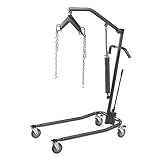 Drive Medical Hydraulic Patient Lift
A full lift is what makes one person able to manage a transfer alone. It is the single purchase that most often delays a move into residential care.
Check price on Amazon →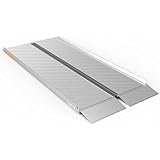 EZ-ACCESS Singlefold Wheelchair Ramp, 6 ft
Folds like a suitcase and carries in a car boot, so the same ramp handles the front step at home and the kerb at an appointment.
Check price on Amazon → Drive Medical Nitro Rollator with Seat
The seat matters more than the wheels. Being able to stop and rest is what decides whether someone still goes out at all.
Check price on Amazon → Vive Stand Assist Rail for Couch or Chair
Getting out of a low sofa is where most falls at home start. This is the cheapest thing on the list and often the first one needed.
Check price on Amazon →As an Amazon Associate we earn from qualifying purchases, at no extra cost to you. Researched guidance, not medical advice. Prices change, so check before buying.
Pain Medications for Elderly
Pain medication in elderly is a balance: undertreatment causes suffering; overtreatment causes falls, confusion, and other problems. Here's what to know:
Acetaminophen (Tylenol)
First-Line ChoiceSafest option for mild-moderate pain. Up to 3000mg/day (max in elderly). Watch for hidden acetaminophen in combination products. Doesn't help inflammation.
Topical NSAIDs
Safer OptionVoltaren gel, Aspercreme, applied to painful joint. Much less systemic absorption than oral. Good for localized arthritis.
Oral NSAIDs (Ibuprofen, Naproxen)
Use CautionEffective but risky: stomach bleeding, kidney damage, heart issues, blood pressure increase. Use lowest dose for shortest time if needed.
Tramadol
Use CautionWeak opioid. Can cause confusion, falls, seizures in elderly. Interacts with many medications. Lower starting dose required.
Opioids (Oxycodone, Morphine)
Use CautionAppropriate for severe pain when benefits outweigh risks. Cause constipation (treat prophylactically), drowsiness, confusion, falls. Start very low.
Muscle Relaxants
Generally AvoidFlexeril, Robaxin, high risk of sedation, falls, confusion in elderly. Rarely appropriate. Seek alternatives.
Despite concerns, opioids are sometimes the right choice for severe pain, especially in cancer, severe arthritis, or end of life. Fear of addiction is often overstated in elderly; fear of side effects is valid but manageable. Don't let opioid stigma cause unnecessary suffering.
Adjuvant Medications
These treat specific pain types:
- Gabapentin/Pregabalin: Nerve pain (neuropathy). Start low, can cause dizziness, drowsiness
- Duloxetine (Cymbalta): Chronic pain and depression. Helps fibromyalgia, diabetic neuropathy
- Lidocaine patches: Local numbing for specific areas; minimal side effects
- Capsaicin cream: Derived from peppers; depletes pain signals. Takes weeks to work
Non-Drug Pain Management
Often overlooked but can significantly reduce pain and medication needs:
Physical Therapy
Strengthening, stretching, posture correction
Heat/Cold Therapy
Heating pads, ice packs, simple but effective
TENS Unit
Electrical stimulation blocks pain signals
Massage
Relaxes muscles, improves circulation
Acupuncture
Evidence for back pain, arthritis, headaches
Movement/Exercise
Gentle activity prevents stiffness; water exercise ideal
Position Changes
Pillows, supportive seating, better mattress
Distraction
Music, activities, social engagement
Relaxation
Deep breathing, meditation, guided imagery
Assistive Devices
- Proper mobility aids: Correct cane/walker reduces joint stress
- Braces and supports: Knee braces, back supports, wrist splints
- Ergonomic tools: Adapted utensils, jar openers, long-handled reachers
- Better seating: Lift chairs, seat cushions, raised toilet seats
Talking to Doctors About Pain
- Be specific: Where, when, how bad (0-10 scale), what makes it worse/better
- Describe impact: "She can't walk to the bathroom" is more compelling than "her knee hurts"
- Bring a pain diary: Track pain levels over time
- Ask about options: "What can we try?" rather than asking for specific medications
- Discuss goals: Not necessarily pain-free, but able to do X activity
When Pain Isn't Addressed
If you feel pain is being dismissed:
- Ask for a referral to a pain management specialist or palliative care
- Request documentation of why treatment isn't being offered
- Seek a second opinion
- Ask specifically: "What's the plan for managing her pain?"
Special Situations
Dementia patients feel pain but can't always express it. Agitation, refusing food, or withdrawal may be pain. Consider a trial of pain medication if behavior suggests pain, if they improve, pain was likely the cause.
End-of-Life Pain
At end of life, comfort becomes the priority:
- Opioid concerns about addiction are irrelevant in terminal illness
- Hospice excels at pain management, use them
- Adequate pain control doesn't hasten death
- No one should die in pain, advocate strongly for comfort
After Surgery
- Pain control aids recovery, don't skip medications and suffer
- Opioids may be needed short-term; that's appropriate
- Schedule medications rather than waiting for severe pain
- Add non-drug approaches: ice, positioning, gentle movement
Common Causes of Pain in Elderly
- Osteoarthritis: Most common; joint pain that worsens with activity
- Spinal stenosis: Back/leg pain; worse with walking
- Neuropathy: Burning, tingling feet (diabetes, B12 deficiency)
- Shingles/post-herpetic neuralgia: Burning nerve pain; can persist after rash heals
- Cancer pain: From tumor or treatment
- Fibromyalgia: Widespread muscle pain
- Gout: Severe joint attacks (often toe, ankle)
- Fractures: May occur with minimal trauma in osteoporosis
Treating the underlying cause when possible is always the first goal.
Seek immediate care for: new severe headache, chest pain, abdominal pain with fever, pain with inability to move a limb, pain with numbness or weakness, or any sudden severe pain that's different from usual.
Get the Complete Care Toolkit
Pain tracking logs, medication lists, and doctor appointment preparation guides, all in one system.
Explore Caregiver Resources