Post-Hospital Syndrome: The Dangerous First 30 Days
After hospitalization, elderly patients face a period of extreme vulnerability that often leads to falls, infections, and readmission. Here's what every caregiver needs to know.
Post-hospital syndrome describes the period of vulnerability after hospitalization when patients are at increased risk for adverse events - often from conditions completely unrelated to why they were admitted. The hospital stay itself creates a weakened state that lasts weeks after discharge.
Why Hospitalization Is So Hard on Elderly Bodies
A hospital stay, even a short one, takes a severe toll on older adults:
- Muscle loss: Seniors can lose 3-5% of muscle mass per day of bed rest. A week in bed can mean months of rehabilitation
- Sleep deprivation: Constant interruptions, noise, and unfamiliar environments prevent restorative sleep
- Delirium: Up to 50% of elderly patients experience confusion during hospitalization
- Medication changes: New medications, stopped medications, and drug interactions
- Poor nutrition: NPO orders, unappetizing food, eating while lying down
- Dehydration: Often undertreated, worsened by IV diuretics
- Hospital-acquired infections: Catheters, IVs, and exposure to resistant bacteria
The equipment that changes the most
Most of what caregiving costs is time. These four are the purchases that reliably buy some of it back, and they are the ones families tell us they wish they had bought sooner.
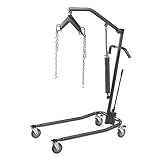 Drive Medical Hydraulic Patient Lift
A full lift is what makes one person able to manage a transfer alone. It is the single purchase that most often delays a move into residential care.
Check price on Amazon →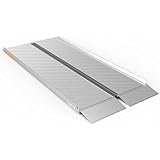 EZ-ACCESS Singlefold Wheelchair Ramp, 6 ft
Folds like a suitcase and carries in a car boot, so the same ramp handles the front step at home and the kerb at an appointment.
Check price on Amazon → Drive Medical Nitro Rollator with Seat
The seat matters more than the wheels. Being able to stop and rest is what decides whether someone still goes out at all.
Check price on Amazon → Vive Stand Assist Rail for Couch or Chair
Getting out of a low sofa is where most falls at home start. This is the cheapest thing on the list and often the first one needed.
Check price on Amazon →As an Amazon Associate we earn from qualifying purchases, at no extra cost to you. Researched guidance, not medical advice. Prices change, so check before buying.
The Critical First 30 Days
Days 1-3: Highest Risk Period
Medication errors are most common. Watch for confusion, falls, and signs of infection. Many readmissions happen within 72 hours.
Days 4-7: Adjustment Phase
Weakness and fatigue peak. Risk of falls is extremely high as your parent tries to return to normal activities before regaining strength.
Days 8-14: Recovery Begins
If no complications, gradual improvement. But still at high risk for infections, dehydration, and medication problems.
Days 15-30: Stabilization
Risk remains elevated but decreasing. Follow-up appointments crucial. Many skip these, leading to preventable problems.
Warning Signs That Need Immediate Attention
Confusion or Delirium
New or worsening confusion, disorientation, or altered behavior. Could signal infection, medication problem, or stroke.
Fever Over 100.4F
Any fever after hospitalization could indicate infection. Don't wait - call the doctor immediately.
Chest Pain or Breathing Problems
New shortness of breath, chest pain, or rapid breathing. Could be pneumonia, blood clot, or heart problem.
Swelling in Legs
New or worsening leg swelling, especially if one-sided. Could indicate blood clot (DVT).
Wound Problems
Increased redness, swelling, drainage, or opening of surgical sites. Signs of infection.
Extreme Weakness
Unable to stand, walk, or care for self. Significant decline from baseline requires evaluation.
- Sudden severe confusion
- Difficulty breathing
- Chest pain
- Signs of stroke (face drooping, arm weakness, slurred speech)
- Uncontrolled bleeding
- Fainting or unresponsiveness
Preventing Readmission: Your Action Plan
Before Leaving the Hospital
Get the Discharge Summary
Request a written copy of what was done, diagnoses, and recommendations. Many patients leave without understanding their condition.
Medication Reconciliation
Get a complete list of all medications: what's new, what's stopped, what's changed. Understand exactly how and when to take each one.
Schedule Follow-Up Before Leaving
Don't leave without appointments scheduled. Ideally, see the primary care doctor within 7 days, specialists as needed.
Arrange Home Health If Needed
Ask about home health services. Medicare covers visiting nurses and therapists after hospitalization for qualifying conditions.
Know the Warning Signs
Ask specifically: "What symptoms should bring us back to the ER? What can wait for the doctor's office?"
The First Week Home
- Temperature (daily for first week)
- Weight (for heart failure patients)
- Wound appearance if applicable
- Mental status - are they acting normally?
- Eating and drinking adequately?
- Taking all medications correctly?
- Pain level - is it controlled?
Preventing Falls
Fall risk is dramatically elevated after hospitalization. During the first 2 weeks:
- Don't leave your parent alone if they're unsteady
- Ensure they don't get up at night without assistance
- Remove throw rugs and clutter
- Use a walker or cane if recommended (many resist this)
- Consider a bedside commode to reduce nighttime trips
- Adequate lighting, especially at night
Medication Safety
Medication errors are the leading cause of readmission. To prevent them:
- One pharmacy: Fill all prescriptions at one pharmacy so they can check for interactions
- Pill organizer: Set up medications in a weekly organizer
- Written schedule: Create a clear chart of what to take when
- Dispose of old medications: Remove medications that were stopped to prevent confusion
- Watch for side effects: New symptoms could be medication reactions
When Rehab Is Needed
If your parent is too weak to safely go home, they may need:
- Skilled Nursing Facility (SNF): For patients needing skilled nursing or intensive therapy. Medicare covers up to 100 days after a qualifying hospital stay
- Inpatient Rehabilitation: For patients who can tolerate 3 hours of therapy daily. More intensive, better outcomes for appropriate candidates
- Home Health: For patients who can be safe at home with visiting services
If your parent was in the hospital under "observation status" instead of admitted, Medicare won't cover SNF care. Always ask whether they're admitted or under observation, and fight to change it if needed.
Nutrition and Hydration
Many elderly patients are malnourished and dehydrated at discharge:
- Push fluids: Aim for 6-8 glasses of water daily unless restricted
- Protein: Essential for rebuilding muscle. Eggs, Greek yogurt, lean meats
- Small frequent meals: Large meals may be overwhelming
- Supplements: Protein shakes can help if appetite is poor
- Watch for swallowing problems: May have developed during hospitalization
Supporting Recovery
Physical Activity
Even short periods of mobility help prevent further decline:
- Get up and move, even if just to sit in a chair
- Walk short distances several times daily
- Follow any physical therapy home exercises
- Gradually increase activity as tolerated
- Don't push too hard - rest when needed
Sleep
Sleep is critical for recovery but often disrupted after hospitalization:
- Maintain a regular sleep schedule
- Limit daytime napping to short periods
- Keep the bedroom dark and quiet
- Avoid stimulating activities before bed
- Talk to the doctor if insomnia persists
Mental Health
Depression and anxiety are common after hospitalization:
- Watch for signs of depression: withdrawal, loss of interest, hopelessness
- Encourage social contact
- Keep them engaged and purposeful
- Consider counseling if mood doesn't improve
When to Call the Doctor vs. Return to ER
- Mild fever (under 101F in stable patients)
- Constipation or diarrhea
- Mild increase in pain
- Questions about medications
- Minor wound concerns
- Gradual decline in function
- High fever, severe chills
- Chest pain or severe breathing problems
- Signs of stroke
- Severe abdominal pain
- Significant wound infection signs
- Sudden severe confusion
- Fall with injury or head trauma
Creating a Support System
Recovery is faster with adequate support:
- Don't do it alone: Accept help from family, friends, neighbors
- Meal trains: Organize friends to bring meals
- Transportation: Arrange rides to follow-up appointments
- Professional help: Consider hiring help if family can't provide 24/7 care initially
- Communication plan: Keep family updated to prevent caregiver burnout
Be Prepared for Hospital Transitions
Our Care Coordination Binder includes discharge planning checklists and medication tracking sheets.
View ResourcesProducts that help with recovery at home
We independently research every recommendation. As an Amazon Associate we earn from qualifying purchases, at no extra cost to you. Disclosure.
- Stand-Assist Devices →Bed rails, poles, and lift cushions to rise safely from any seat.
- Toilet Safety Rails & Frames →Sturdy rails for safer, more confident sit-to-stand.
- Knee Walkers & Scooters →Steerable knee scooters for foot, ankle, and lower-leg recovery.