Questions to Ask Assisted Living Facilities
Touring facilities is overwhelming. This comprehensive checklist ensures you ask the right questions to find the best fit for your parent and avoid costly surprises. Before you tour, run our assisted living costs by ZIP code calculator so you know the local rate the quotes should land near.
Quick answer: The 10 questions that matter most when touring assisted living:
- What does the base monthly rate include, and what costs extra?
- How are care levels determined and priced, and how often do rates increase?
- What is the staff-to-resident ratio during the day and at night?
- Is a registered nurse on-site, and how many hours per day?
- What happens if care needs increase, and at what point would my parent have to move?
- What happens if my parent runs out of money, and do you accept Medicaid or VA benefits?
- What is the discharge policy, and what would make you ask a resident to leave?
- When was your last state inspection, and can I see the report?
- How do residents call for help, and what is the average response time?
- Can I see a sample contract, a menu, and this month's activities calendar?
The full checklist below expands these into 60+ questions across nine categories, plus the red flags to watch for on the tour.
Print this list and bring it with you. Take notes on their answers. Tour at different times if possible, as evenings and weekends may look different than weekday marketing tours. Trust your gut: if something feels off, pay attention.
1 Costs and Contract
- What is the base monthly rate? What does it include?
- What costs extra? (Medication management, incontinence care, escorts to meals?)
- How are care levels determined and priced?
- How often do rates increase? What was last year's increase?
- Is there a community fee or entrance fee? Is it refundable?
- What happens if my parent runs out of money?
- What is the discharge policy? Under what circumstances would they ask someone to leave?
- What is the notice period to move out? Move-out fees?
- Do you accept Medicaid or VA benefits?
- Can I see a sample contract?
2 Staffing
- What is the staff-to-resident ratio during the day? At night?
- Is there a registered nurse on-site? How many hours per day?
- What training do caregivers receive? How many hours?
- What is the staff turnover rate?
- Are background checks performed on all staff?
- Who is on-site overnight? What are their qualifications?
- How do residents call for help? What is the average response time?
- Is there consistent staff assignment so my parent sees familiar faces?
3 Care Services
- How are care needs assessed? How often is the assessment updated?
- What help is provided with bathing, dressing, toileting?
- How is medication managed? Who administers it?
- Can you handle incontinence? Is there an extra charge?
- What if care needs increase significantly?
- At what point would my parent need to move to a higher level of care?
- Can residents age in place, or is there a memory care or skilled nursing on campus?
- Do you coordinate with outside doctors, therapists, hospice?
- How do you handle medical emergencies?
4 Memory Care (If Applicable)
- Is the memory care unit secure? How do you prevent elopement?
- What specialized dementia training does staff receive?
- What is the staff ratio in memory care specifically?
- How do you handle challenging behaviors without sedating medications?
- What activities are specifically designed for dementia residents?
- Can family visit anytime?
- How do you communicate changes in condition to family?
5 Daily Life and Activities
- Can I see a sample activities calendar?
- What activities are available for someone with my parent's interests and abilities?
- Are there outings? How often? What is the cost?
- What happens if my parent doesn't want to participate?
- What are meal times? Are they flexible?
- Can I see a sample menu? Can we try a meal during the tour?
- How are special diets accommodated?
- Can residents eat in their room if they prefer?
- Are there religious services available?
6 Living Space
- Can I see different room options?
- Can residents bring their own furniture?
- Is there a private bathroom? Shower or tub?
- Are pets allowed?
- How is housekeeping handled? Laundry?
- Is there a kitchenette or refrigerator in the room?
- Can family stay overnight?
- How is climate control managed?
7 Safety and Security
- How is the building secured?
- Are there grab bars in bathrooms? Non-slip flooring?
- What is the emergency call system?
- How are fire drills conducted?
- What is the emergency backup plan for power outages?
- Are there security cameras in common areas?
- How do you screen visitors?
8 Communication
- How will you keep me informed about my parent's condition?
- Who is the main point of contact for family questions?
- How quickly do you respond to family calls or emails?
- Are there regular care plan meetings?
- How are significant changes communicated?
- Is there a family council or regular family meetings?
9 Licensing and Quality
- What is your state licensing status? Any violations?
- When was your last state inspection? Can I see the report?
- How long has this facility been in operation?
- What is your current occupancy rate?
- What accreditations do you have?
- Can I speak with current residents or their families?
- What sets you apart from other facilities in the area?
Red Flags During Your Tour
- Strong odors (urine, cleaning chemicals masking smells)
- Residents left unattended for long periods
- Staff seeming stressed, overworked, or dismissive
- Reluctance to answer questions or show certain areas
- High staff turnover mentioned
- Pressure to sign quickly or put down a deposit immediately
- Vague answers about costs or what's included
- Recent state violations they won't discuss
- Residents appearing unkempt or unhappy
- Building in poor repair
What to Look for Beyond the Questions
- How do staff interact with residents? Warmth or indifference?
- Are residents engaged or sitting passively?
- Is it clean but also lived-in and home-like?
- What does it smell like?
- Do residents seem happy to be there?
- Would you want to live here?
The equipment that changes the most
Most of what caregiving costs is time. These four are the purchases that reliably buy some of it back, and they are the ones families tell us they wish they had bought sooner.
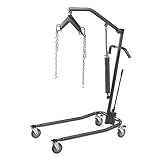 Drive Medical Hydraulic Patient Lift
A full lift is what makes one person able to manage a transfer alone. It is the single purchase that most often delays a move into residential care.
Check price on Amazon → EZ-ACCESS Singlefold Wheelchair Ramp, 6 ft
Folds like a suitcase and carries in a car boot, so the same ramp handles the front step at home and the kerb at an appointment.
Check price on Amazon → Drive Medical Nitro Rollator with Seat
The seat matters more than the wheels. Being able to stop and rest is what decides whether someone still goes out at all.
Check price on Amazon → Vive Stand Assist Rail for Couch or Chair
Getting out of a low sofa is where most falls at home start. This is the cheapest thing on the list and often the first one needed.
Check price on Amazon →As an Amazon Associate we earn from qualifying purchases, at no extra cost to you. Researched guidance, not medical advice. Prices change, so check before buying.
After the Tour
- Return for a second visit, unannounced if possible
- Visit at meal time to see the food and dining experience
- Visit in the evening or on a weekend
- Ask to speak with families of current residents
- Check state inspection reports online
- Review the contract with an elder law attorney if possible
- Trust your instincts about the feel of the place
Ask yourself: "Can I picture my parent being happy and well-cared-for here?" The fanciest amenities don't matter if the staff seems cold or residents seem neglected. Look for genuine warmth and competent, caring staff.
Compare Facilities Systematically
Our Assisted Living Tour Pack includes comparison worksheets to evaluate multiple facilities side-by-side.
View Resources