Why Respite Care Matters
Caregiving is a marathon, not a sprint. Without breaks, caregivers experience burnout, depression, health problems, and declining ability to provide quality care. Respite isn't a luxury, it's a necessity for sustainable caregiving.
Respite care provides temporary relief for primary caregivers. It can last a few hours, a day, a weekend, or even weeks. The person being cared for receives supervision and assistance while the caregiver takes a break.
The equipment that changes the most
Most of what caregiving costs is time. These four are the purchases that reliably buy some of it back, and they are the ones families tell us they wish they had bought sooner.
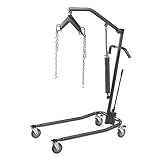 Drive Medical Hydraulic Patient Lift
A full lift is what makes one person able to manage a transfer alone. It is the single purchase that most often delays a move into residential care.
Check price on Amazon → EZ-ACCESS Singlefold Wheelchair Ramp, 6 ft
Folds like a suitcase and carries in a car boot, so the same ramp handles the front step at home and the kerb at an appointment.
Check price on Amazon → Drive Medical Nitro Rollator with Seat
The seat matters more than the wheels. Being able to stop and rest is what decides whether someone still goes out at all.
Check price on Amazon → Vive Stand Assist Rail for Couch or Chair
Getting out of a low sofa is where most falls at home start. This is the cheapest thing on the list and often the first one needed.
Check price on Amazon →As an Amazon Associate we earn from qualifying purchases, at no extra cost to you. Researched guidance, not medical advice. Prices change, so check before buying.
Types of Respite Care
In-Home Respite
A caregiver comes to your home while you leave or rest.
- Professional aides: Hired through agencies, can provide personal care
- Companion services: Provide supervision and companionship
- Volunteer programs: Some organizations offer trained volunteers
- Family/friends: Informal respite from your support network
Best for: Regular short breaks, when your parent does better in familiar surroundings
Adult Day Programs
Your parent attends a structured program during the day, returning home at night.
- Socialization and activities
- Meals and snacks
- Some offer health services
- Specialized programs for dementia
- Transportation often available
Best for: Regular daytime relief while you work or handle responsibilities
Cost: $70-150/day on average
Residential Respite (Short-Term Stay)
Your parent stays temporarily at a facility, assisted living, nursing home, or dedicated respite center.
- 24-hour care and supervision
- Meals, activities, and medical oversight
- Typically minimum 1-3 days
- Can extend to several weeks
Best for: Vacations, surgery recovery for caregiver, family emergencies, longer breaks
Cost: Daily rate of the facility (often $200-400/day for skilled nursing)
Hospice Respite
For those enrolled in hospice, up to 5 days of inpatient respite care is covered by Medicare.
- Specifically for caregiver relief
- Patient stays in hospice facility or nursing home
- Fully covered under Medicare hospice benefit
- Can be used periodically
Best for: Families caring for someone at end of life who need a break
Finding Respite Services
Where to Look
- Area Agency on Aging: Local resource for senior services, often has respite programs
- ARCH National Respite Network: archrespite.org has a locator tool
- Eldercare Locator: 1-800-677-1116 or eldercare.acl.gov
- Alzheimer's Association: Resources for dementia caregivers
- Disease-specific organizations: Many offer respite resources
- Faith communities: Some churches/synagogues offer respite programs
- Veterans Administration: Respite programs for veteran families
Questions to Ask
- What level of care can you provide?
- Do you have experience with my parent's condition (dementia, etc.)?
- What is the staff-to-client ratio?
- What activities are offered?
- How are emergencies handled?
- What are the costs and payment options?
- Is there a waiting list?
Paying for Respite Care
Potential Funding Sources
- Private pay: Out-of-pocket remains most common
- Medicaid waiver programs: Many states offer respite through home and community-based waivers
- Veteran benefits: VA caregiver support programs
- Medicare: Limited, covers hospice respite and some adult day health
- Long-term care insurance: Some policies cover respite
- State respite programs: Many states have caregiver support programs
- Nonprofit programs: Some offer free or sliding scale respite
This federal program, administered through Area Agencies on Aging, provides respite care funding for family caregivers. Eligibility and availability vary by state, but it's worth checking. Contact your local AAA to learn more.
Overcoming Barriers to Respite
Guilt
"I should be able to handle this myself." "What if something happens while I'm gone?"
- Respite makes you a better caregiver, not a worse one
- Your parent benefits when you're rested and healthy
- Taking breaks prevents burnout that could force permanent placement
- It's not abandonment, it's sustainable care
Your Parent Refuses
- Start small, a few hours with a familiar person
- Frame it positively: "I have an appointment" rather than "I need a break from you"
- Let them adjust gradually to new people or settings
- With dementia, once you leave, they often adjust quickly
Can't Find Quality Care
- Start looking before you're desperate
- Do trial runs when stakes are lower
- Ask other caregivers for recommendations
- Create detailed care instructions for respite providers
Cost
- Explore all funding options above
- Ask family members to contribute financially or provide respite themselves
- Look for volunteer programs
- Consider it a healthcare expense, for your health
Preparing for Respite
Information to Provide
- Daily schedule and routines
- Medications list with instructions
- Emergency contacts and doctor information
- Behavioral tips (what calms them, what triggers anxiety)
- Dietary requirements and preferences
- Mobility and personal care needs
- For dementia: communication strategies that work
For Your Parent
- Explain what's happening (if they can understand)
- Reassure them you'll be back
- Leave something familiar with them
- For dementia: once you've said goodbye, leave, prolonging makes it harder
Your first respite break might feel strange. You may not know what to do with yourself, or you may feel guilty. That's normal. Use the time however you need, sleep, errands, seeing friends, or doing absolutely nothing. There's no wrong way to recharge.
Building Regular Respite Into Your Routine
- Schedule recurring respite (weekly adult day program, monthly overnight stay)
- Create a rotation with family members or friends
- Use respite before you're desperate, preventive, not just emergency
- Plan ahead for major events (vacations, holidays, surgeries)
- Accept that respite is part of responsible caregiving, not an exception
Caregiver Support Resources
Our tools help you plan respite, communicate with providers, and manage caregiving sustainably.
Explore Our Resources