Seniors and Pets: Benefits and Challenges
Pets provide invaluable companionship for elderly parents, but what happens when caring for a pet becomes too difficult? Here's how to navigate this sensitive situation.
Before considering any changes, understand that for many elderly people, their pet is their primary companion - sometimes their only one. The bond may be the most significant relationship in their daily life. Any solution must honor this reality.
Why Pets Are So Important for Seniors
Companionship
Pets provide unconditional love and presence, combating loneliness
Purpose
Having something to care for gives structure and meaning to days
Physical Activity
Dog walking promotes movement and outdoor time
Social Connection
Pets are conversation starters and connect owners with other pet lovers
Routine
Feeding schedules and care needs provide daily structure
Touch
Physical contact with a pet can lower blood pressure and reduce stress
Research-Backed Benefits
- Pet owners have lower blood pressure and cholesterol levels
- Reduced risk of depression and loneliness
- Dog owners are more physically active
- Interacting with pets releases oxytocin (the bonding hormone)
- Pets can provide security and comfort, especially at night
The equipment that changes the most
Most of what caregiving costs is time. These four are the purchases that reliably buy some of it back, and they are the ones families tell us they wish they had bought sooner.
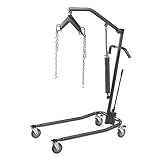 Drive Medical Hydraulic Patient Lift
A full lift is what makes one person able to manage a transfer alone. It is the single purchase that most often delays a move into residential care.
Check price on Amazon →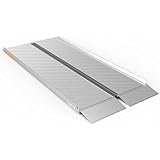 EZ-ACCESS Singlefold Wheelchair Ramp, 6 ft
Folds like a suitcase and carries in a car boot, so the same ramp handles the front step at home and the kerb at an appointment.
Check price on Amazon → Drive Medical Nitro Rollator with Seat
The seat matters more than the wheels. Being able to stop and rest is what decides whether someone still goes out at all.
Check price on Amazon → Vive Stand Assist Rail for Couch or Chair
Getting out of a low sofa is where most falls at home start. This is the cheapest thing on the list and often the first one needed.
Check price on Amazon →As an Amazon Associate we earn from qualifying purchases, at no extra cost to you. Researched guidance, not medical advice. Prices change, so check before buying.
Warning Signs: When Pet Care Becomes Too Much
Watch for these indicators that your parent may be struggling:
Pet's Physical Signs
- Weight loss or gain (not being fed properly)
- Matted fur, overgrown nails (grooming neglected)
- Fleas, ticks, or skin problems
- Litter box overflowing or not cleaned
- Pet seems anxious or stressed
Parent's Signs
- Forgetting to feed the pet or feeding multiple times
- Unable to walk the dog (falls risk or stamina issues)
- Can't afford pet food, vet care, or medications
- Tripping over the pet
- Unable to bend down for litter box or food bowls
- Expressing guilt or stress about pet care
Home Environment
- Strong pet odors (urine, feces not cleaned up)
- Damage to home from untrained or anxious pets
- Food bowls empty or with old food
- Pet waste in inappropriate areas
Solutions to Help Them Keep Their Pet
Before considering rehoming, explore ways to make pet care manageable:
Dog Walking Services
Professional dog walkers or neighborhood teenagers can handle daily walks. Apps like Rover connect pet owners with local walkers. Some senior centers or volunteer organizations offer free or low-cost dog walking for elderly pet owners.
Pet Care Assistance
Home care aides can often help with pet care as part of their duties - feeding, litter box, refilling water. Some agencies specifically include pet assistance. Ask when hiring caregivers.
Automatic Feeders and Waterers
Timed automatic feeders dispense the right amount of food on schedule, eliminating missed meals or double-feeding. Gravity waterers ensure fresh water is always available.
Litter Box Solutions
Self-cleaning litter boxes reduce maintenance. Raised litter boxes or those with low entries are easier for seniors with mobility issues. Some home aides can manage litter box cleaning.
Mobile Vet Services
Many veterinarians now offer home visits, eliminating the challenge of transporting pets. Search for "mobile vet" or "house call vet" in your area.
Grooming Services
Mobile groomers come to the home. Regular grooming keeps pets healthier and reduces maintenance between visits. Some groomers offer senior discounts.
If cost is the barrier, resources exist:
- SNAP: In some areas, pet food banks serve seniors
- Pets of the Homeless: Helps low-income pet owners
- RedRover Relief: Emergency pet care grants
- Local humane societies: Often offer low-cost vet clinics
- Breed-specific rescues: May help with medical costs
When Rehoming Becomes Necessary
Sometimes, despite best efforts, the pet's welfare or the senior's safety requires rehoming. This might be appropriate when:
- The pet is suffering from inadequate care
- The pet poses a fall risk that can't be managed
- Your parent is moving to a facility that doesn't allow pets
- Cognitive decline means they can't recognize the pet or their needs
- The pet has behavioral issues beyond your parent's ability to manage
- Financial or physical limitations can't be adequately addressed
How to Approach the Conversation
- Don't surprise them: Discuss concerns gradually over time
- Focus on the pet's wellbeing: "Max deserves a yard to run in"
- Offer solutions first: Try support options before suggesting rehoming
- Let them be involved: In choosing the new home if possible
- Acknowledge the loss: This is a major grief for them
- Don't minimize: "It's just a cat" dismisses their feelings
If your parent has dementia, they may forget the pet was rehomed and repeatedly ask for them. Have a consistent response ready. Some families find a photo album of the pet helpful. Avoid reexplaining the rehoming repeatedly if it causes fresh grief each time.
Finding a Good New Home
If rehoming is necessary, prioritize finding the right situation:
- Family first: Can another family member adopt the pet?
- Friends and neighbors: Someone the pet and your parent already know
- Breed-specific rescues: Often have foster networks and careful adoption processes
- Senior pet sanctuaries: Some organizations specifically take pets from elderly owners
- Avoid shelters if possible: Older pets have lower adoption rates
If the pet goes to a family member or friend, arrange visits if possible. Even photos and updates can help. For your parent, this can ease the loss. For the pet, familiar faces provide comfort during the transition.
Pets in Assisted Living and Nursing Homes
Pet-Friendly Facilities
Increasingly, senior living communities allow pets:
- Many assisted living facilities allow small dogs and cats
- Some have weight limits (typically 25-35 pounds)
- Residents may need to demonstrate ability to care for the pet
- Some facilities provide pet care assistance for an additional fee
- Always ask about pet policies when evaluating facilities
When Pets Aren't Allowed
Options when their new living situation prohibits pets:
- Look specifically for pet-friendly facilities (they exist!)
- Some nursing homes have resident pets that all residents can enjoy
- Arrange for pet therapy visits
- Robotic companion pets (more sophisticated than you'd think)
- Fish tanks in their room (often allowed)
Getting a New Pet for an Elderly Parent
If your parent wants a pet, consider carefully:
Good Choices
- Adult or senior cats: Low maintenance, litter trained, calm
- Small, calm adult dogs: Already trained, lower energy
- Fish: Calming, minimal care
- Birds: Companionship with minimal physical demands
Potential Concerns
- Puppies or kittens: Too energetic, training demands, tripping hazard
- Large dogs: Could knock over a frail senior
- Dogs with high exercise needs: May not be sustainable
- Long lifespan animals: Consider who will care for them long-term
Before any pet enters an elderly person's life, establish who will care for it if they can't. Put it in writing. This prevents heartbreaking situations later and ensures the pet will be cared for no matter what happens.
Robotic Pets: A Real Alternative?
For those who can't have real pets, robotic companions have come a long way:
- Joy For All Companion Pets: Designed for seniors, respond to touch and voice
- Benefits: No feeding, vet bills, allergies, or rehoming worries
- Research shows: Can reduce anxiety and provide comfort, especially for dementia patients
- Not a replacement: But can provide some of the same emotional benefits
Planning for All Aspects of Care
Our Care Coordination Binder helps you track all aspects of your parent's life, including pet care arrangements.
View Resources