Shingles in Elderly Parents: What Caregivers Need to Know
If your parent had chickenpox as a child (and almost everyone born before 1980 did), the virus never left their body. It's been dormant in nerve cells for decades. Shingles happens when that virus reactivates, and the risk increases dramatically with age. About 1 in 3 people will get shingles in their lifetime, and the risk climbs after age 50.
For older adults, shingles isn't just painful, it can lead to serious complications. Here's what you need to know to recognize it quickly and manage it effectively.
Antiviral medication works best when started within 72 hours of the rash appearing. If you suspect shingles, get your parent to a doctor the same day if possible. Early treatment can reduce the severity and duration of the outbreak and lower the risk of complications.
What Is Shingles?
Shingles (herpes zoster) is caused by the varicella-zoster virus, the same virus that causes chickenpox. After chickenpox resolves, the virus stays dormant in nerve cells near the spine. Decades later, it can reactivate and travel along nerve fibers to the skin, causing a painful, blistering rash.
Why Does It Reactivate?
- Aging: The immune system weakens naturally with age
- Stress: Physical or emotional stress can trigger reactivation
- Illness: Other infections or diseases can weaken immunity
- Medications: Immunosuppressive drugs (steroids, chemotherapy) increase risk
- Chronic conditions: Diabetes, cancer, HIV increase susceptibility
The equipment that changes the most
Most of what caregiving costs is time. These four are the purchases that reliably buy some of it back, and they are the ones families tell us they wish they had bought sooner.
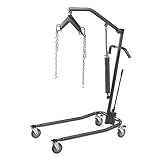 Drive Medical Hydraulic Patient Lift
A full lift is what makes one person able to manage a transfer alone. It is the single purchase that most often delays a move into residential care.
Check price on Amazon →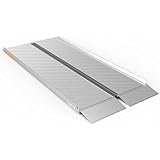 EZ-ACCESS Singlefold Wheelchair Ramp, 6 ft
Folds like a suitcase and carries in a car boot, so the same ramp handles the front step at home and the kerb at an appointment.
Check price on Amazon → Drive Medical Nitro Rollator with Seat
The seat matters more than the wheels. Being able to stop and rest is what decides whether someone still goes out at all.
Check price on Amazon → Vive Stand Assist Rail for Couch or Chair
Getting out of a low sofa is where most falls at home start. This is the cheapest thing on the list and often the first one needed.
Check price on Amazon →As an Amazon Associate we earn from qualifying purchases, at no extra cost to you. Researched guidance, not medical advice. Prices change, so check before buying.
Recognizing Shingles Symptoms
Early Warning Signs (Before the Rash)
Shingles often starts 1-5 days before the rash appears:
- Pain, burning, tingling, or itching in one area of the body
- Often described as shooting, stabbing, or electric-shock-like pain
- Usually on one side of the body only
- Flu-like symptoms: fatigue, headache, low fever
- Sensitivity to touch in the affected area
Before the rash appears, shingles pain is often misdiagnosed as heart attack (if on the chest), kidney stones (if on the back), or sciatica (if on the leg). If your parent has unexplained severe pain in one area, keep shingles in mind.
The Shingles Rash
The characteristic rash develops in stages:
- Red patches: Appears in the painful area
- Fluid-filled blisters: Develop within a few days
- Blisters break and crust: Usually within 7-10 days
- Scabs form and heal: Takes 2-4 weeks total
Key characteristics:
- Appears on one side of the body only (doesn't cross the midline)
- Follows a band or stripe pattern (the path of a nerve)
- Most common locations: trunk, face, neck
- Can appear anywhere but rarely below the knees or on the hands
Shingles on the Face
Shingles affecting the face requires urgent attention:
Eye Involvement (Herpes Zoster Ophthalmicus)
If the rash appears on the forehead, nose tip, or around the eye, vision is at risk. This is a medical emergency requiring immediate ophthalmology evaluation. Warning signs: rash on the tip of the nose, eye redness, eye pain, vision changes.
Ear Involvement (Ramsay Hunt Syndrome)
Shingles affecting the ear can cause hearing loss, dizziness, and facial paralysis. Look for: rash in or around the ear, facial drooping, hearing changes, vertigo.
- Rash is near the eyes or on the forehead
- Rash is in or around the ear
- Rash is widespread or on both sides of the body
- Pain is severe and uncontrolled
- There are signs of infection: increasing redness, pus, fever
- Your parent is immunocompromised
Treatment
Antiviral Medications
The cornerstone of shingles treatment, most effective when started within 72 hours of rash onset:
- Valacyclovir (Valtrex): Most commonly prescribed, taken 3 times daily for 7 days
- Acyclovir (Zovirax): Alternative, taken 5 times daily for 7-10 days
- Famciclovir (Famvir): Another option, taken 3 times daily for 7 days
Benefits of antiviral treatment:
- Shortens the duration of the outbreak
- Reduces severity of symptoms
- May reduce risk of postherpetic neuralgia (long-term pain)
- Reduces risk of complications
Pain Management
Shingles pain can be severe and requires a multi-pronged approach:
- Over-the-counter pain relievers: Acetaminophen (Tylenol) or ibuprofen (Advil)
- Prescription pain medications: Stronger options if OTC isn't enough
- Lidocaine patches: Applied directly to painful areas
- Nerve pain medications: Gabapentin or pregabalin for nerve pain
- Tricyclic antidepressants: Low doses help nerve pain
- Topical capsaicin: Cream applied after blisters heal
Home Care
- Keep the rash clean: Gentle washing with mild soap and water
- Don't scratch: Can lead to infection and scarring
- Cool compresses: Wet washcloth on the rash for relief
- Loose clothing: Avoid irritating the affected area
- Calamine lotion: May soothe itching
- Oatmeal baths: Colloidal oatmeal can reduce itching
- Rest: The body needs energy to fight the virus
Complications
Postherpetic Neuralgia (PHN)
The most common complication, pain that persists after the rash heals. Risk increases dramatically with age:
- Affects 10-18% of shingles patients overall
- Affects 30%+ of patients over age 60
- Pain can last months or even years
- Described as burning, stabbing, or deep aching
- Area may be extremely sensitive to touch
Treatment for PHN:
- Gabapentin or pregabalin (nerve pain medications)
- Tricyclic antidepressants
- Lidocaine patches
- Capsaicin cream
- Opioids for severe cases
- Nerve blocks in some cases
Chronic pain from PHN can lead to depression, sleep problems, weight loss, difficulty with daily activities, and reduced quality of life. Early and aggressive shingles treatment helps prevent it. Don't dismiss ongoing pain as "just having to wait it out."
Other Complications
- Vision problems: If shingles affects the eye
- Hearing loss: If shingles affects the ear
- Facial paralysis: In Ramsay Hunt syndrome
- Bacterial skin infection: If blisters become infected
- Neurological problems: Rarely, encephalitis or meningitis
Is Shingles Contagious?
Sort of. A person with shingles cannot give someone else shingles. However:
- The fluid in shingles blisters contains the virus
- Someone who has never had chickenpox (or the vaccine) can catch chickenpox from shingles
- Once blisters are crusted over, the person is no longer contagious
Precautions:
- Keep the rash covered
- Avoid contact with pregnant women who haven't had chickenpox
- Avoid contact with newborns
- Avoid contact with immunocompromised individuals
- Wash hands frequently
Prevention: The Shingles Vaccine
The best way to prevent shingles is vaccination.
Shingrix Vaccine
Who should get it: Adults 50 and older, even if they've had shingles before
Schedule: Two doses, 2-6 months apart
Effectiveness: Over 90% effective at preventing shingles
Duration: Protection lasts at least 7 years (possibly longer)
Cost: Covered by most insurance including Medicare Part D
Even if your parent has already had shingles, they should still get vaccinated. Having shingles once doesn't prevent future episodes. The vaccine can prevent recurrence and reduce severity if shingles does occur.
Common Questions About the Vaccine
Can the vaccine cause shingles?
No. Shingrix is not a live vaccine. It cannot cause shingles.
What about side effects?
Common side effects include sore arm, fatigue, muscle pain, headache, fever. These typically last 2-3 days. They're signs the immune system is responding.
What if they never had chickenpox?
If they were born before 1980, they almost certainly had it, many cases were mild and not diagnosed. Testing can confirm immunity if uncertain.
What about the old vaccine (Zostavax)?
Zostavax is no longer available in the US. If your parent received Zostavax years ago, they should still get Shingrix, it's more effective.
Caring for a Parent with Shingles
Managing Their Pain
- Take pain seriously, shingles pain can be excruciating
- Give medications on schedule, not just when pain flares
- Ask the doctor about adding different types of pain relief
- Help them find comfortable positions
- Minimize activities that aggravate pain
Practical Support
- Help with dressing changes if needed
- Prepare soft, easy-to-eat foods (mouth involvement can make eating painful)
- Assist with daily tasks they're too tired or in too much pain to do
- Drive them to follow-up appointments
- Watch for signs of complications
Emotional Support
- Chronic pain is exhausting and demoralizing
- Validate their pain, don't minimize it
- Provide distraction: audiobooks, TV, conversation
- Watch for signs of depression, especially if pain persists
- Reassure them that it will get better (usually within weeks)
When to Seek Medical Care
See a doctor the same day if:
- You suspect shingles (to start antivirals quickly)
- The rash is near the eyes or ears
- Pain is severe or uncontrolled
- There are signs of infection (spreading redness, pus, high fever)
Go to the ER if:
- Vision is affected
- Severe headache, stiff neck, confusion (signs of meningitis)
- Rash is widespread across the body
- Your parent is immunocompromised with suspected shingles
Managing Your Parent's Health Conditions
Our Complete Caregiver Toolkit includes medication trackers, symptom logs, and doctor visit prep guides to help you manage all of your parent's health needs.
Get the Complete GuideKey Takeaways
- Shingles is caused by the same virus as chickenpox and can reactivate in older adults
- Early treatment (within 72 hours) with antivirals is crucial
- Pain management is a major part of treatment
- Postherpetic neuralgia (ongoing pain) is common in older adults
- The Shingrix vaccine is highly effective and recommended for adults 50+
- Face and eye involvement requires urgent medical attention
Frequently Asked Questions
How serious is shingles in elderly people?
Shingles is more serious in elderly people than younger adults. Complications include postherpetic neuralgia (long-term nerve pain affecting 10-18% of patients over 60), vision problems if near the eye, bacterial skin infections, and rarely, stroke or encephalitis. Prompt antiviral treatment within 72 hours of rash onset reduces complications. Hospitalization may be needed for severe cases.
Is shingles contagious to elderly people?
Shingles itself isn't contagious, but the varicella-zoster virus can be spread to people who haven't had chickenpox or the vaccine, causing chickenpox (not shingles). The virus spreads through direct contact with open blisters. Elderly people who've had chickenpox or vaccination are not at risk of catching anything. Keep blisters covered and avoid contact with unvaccinated children and pregnant women.
How long does shingles last in elderly patients?
The shingles rash typically lasts 2-4 weeks, going through stages of blistering, crusting, and healing. However, pain may persist for months or years as postherpetic neuralgia, especially in patients over 60. Antiviral medications started within 72 hours of rash onset can shorten the illness duration and reduce the risk of lasting pain.
Should my elderly parent get the shingles vaccine?
Yes, the CDC recommends Shingrix vaccine for adults 50 and older, including those who've had shingles or received the older Zostavax vaccine. Shingrix is over 90% effective at preventing shingles and postherpetic neuralgia. It requires two doses, 2-6 months apart. Side effects (sore arm, fatigue, headache) are common but temporary. Check if Medicare Part D or their insurance covers it.