Helping a parent with toileting is one of the most intimate and challenging aspects of caregiving. It can feel awkward for both of you. But with the right approach, equipment, and mindset, you can maintain safety and dignity while managing this essential daily task.
Needing toileting help is common in aging, dementia, and after medical events. Your parent likely feels embarrassed or ashamed. Approach with matter-of-fact kindness. A calm, professional demeanor helps both of you get through it.
Making the Bathroom Safer
Before helping with toileting, ensure the bathroom itself is set up for safety:
Raised Toilet Seat
Adds 2-6 inches to toilet height, making sitting and standing easier. Essential after hip surgery. Some include armrests.
Grab Bars
Install near toilet for support when sitting/standing. Must be secured to wall studs, not suction cups for weight-bearing use.
Toilet Safety Frame
Freestanding armrests that clamp onto toilet. Provides push-up support without wall installation.
Bedside Commode
Portable toilet for nighttime or when bathroom is too far. Can also be placed over toilet as raised seat with arms.
Additional Safety Measures
- Night lights: Motion-sensor lights for nighttime bathroom trips
- Clear path: Remove rugs, cords, and obstacles between bed and bathroom
- Non-slip mats: Both inside and outside the bathroom
- Contrasting toilet seat: A colored seat on white toilet helps those with vision issues
The equipment that changes the most
Most of what caregiving costs is time. These four are the purchases that reliably buy some of it back, and they are the ones families tell us they wish they had bought sooner.
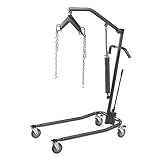 Drive Medical Hydraulic Patient Lift
A full lift is what makes one person able to manage a transfer alone. It is the single purchase that most often delays a move into residential care.
Check price on Amazon →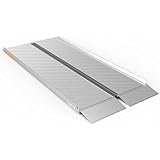 EZ-ACCESS Singlefold Wheelchair Ramp, 6 ft
Folds like a suitcase and carries in a car boot, so the same ramp handles the front step at home and the kerb at an appointment.
Check price on Amazon → Drive Medical Nitro Rollator with Seat
The seat matters more than the wheels. Being able to stop and rest is what decides whether someone still goes out at all.
Check price on Amazon → Vive Stand Assist Rail for Couch or Chair
Getting out of a low sofa is where most falls at home start. This is the cheapest thing on the list and often the first one needed.
Check price on Amazon →As an Amazon Associate we earn from qualifying purchases, at no extra cost to you. Researched guidance, not medical advice. Prices change, so check before buying.
Assisting with Toilet Transfers
From Wheelchair or Chair to Toilet
Position the Wheelchair
Angle wheelchair at 45 degrees to toilet, with stronger side toward toilet. Lock brakes. Remove or swing away footrests.
Lower Clothing While Seated
Have them lean side to side while you lower pants and underwear to thigh level. This is easier and safer than standing to undress.
Stand and Pivot
They should push up from armrests while you steady them at the hips or use a gait belt. Pivot on stronger leg. Small steps, never large reaches.
Lower to Toilet
Have them reach back for toilet armrests or grab bars. Lower slowly, don't drop. Pull clothing down fully once seated.
A gait belt ($10-20) wraps around their waist and gives you a secure handhold for transfers. Never pull on arms or clothes, it's unsafe and undignified. The belt provides safe leverage and prevents back injuries to you.
For Those Who Can Walk
- Walk beside them or slightly behind, steadying as needed
- Give verbal cues: "Hold the grab bar. Now lower yourself slowly."
- Let them do as much as they can independently
- Stand outside door if they can manage alone, close enough to help, far enough for privacy
During and After Toileting
How Long to Wait
Constipation is common in elderly. Don't rush them:
- Allow at least 10-15 minutes if they're having a bowel movement
- Provide a step stool to elevate feet slightly (promotes easier elimination)
- Stay nearby but give privacy if safe to do so
- Use a timer or check in periodically so they don't get stuck there too long
Wiping Assistance
If they cannot clean themselves:
- Use disposable wipes (easier than toilet paper, more thorough)
- Always wipe front to back for women, prevents UTIs
- Use long-handled wiping aids if needed ($15-25)
- Clean thoroughly but gently, elderly skin tears easily
- Check skin for redness, rashes, or breakdown
Moisture from incontinence damages skin quickly. Look for redness, raw areas, or rashes. Use barrier cream after cleaning. Report persistent skin problems to their doctor.
Managing Incontinence
Timed Toileting
Taking them to the bathroom on a schedule prevents accidents:
- Start with every 2-3 hours during the day
- First thing in the morning
- After meals and drinks
- Before bed and once during the night if needed
- Watch for their "signals", fidgeting, pulling at clothes, restlessness
Protective Products
Today's incontinence products are discreet and effective:
- Pull-up style underwear: Look and feel more normal, easier to pull up/down for those with some mobility
- Tab-style briefs: Better for bed-bound, can change without full undressing
- Pads/liners: For lighter incontinence; worn in regular underwear
- Bed pads: Protect mattress; reusable or disposable
- Skin protectants: Barrier creams like zinc oxide prevent irritation
Sizing Matters
Incontinence briefs that are too big leak. Measure waist and hips to determine correct size. Most brands have sizing charts. Buying the wrong size wastes money and causes leaks.
When Accidents Happen
- Stay calm. Don't express frustration, they already feel terrible
- Matter-of-fact: "Let's get you cleaned up" rather than making a big deal
- Clean skin thoroughly with wipes, wash with mild soap, dry completely
- Apply barrier cream to protect skin
- Change all wet/soiled clothing and bedding
- Dispose of waste properly in tied plastic bags
Special Situations
For Dementia
They may forget where the bathroom is, what the toilet is for, or how to undress. Use signs on bathroom door. Establish consistent routines. Give simple one-step instructions. Don't ask "Do you need to go?", they may not know. Just take them regularly.
For Bed-Bound Parents
Use a bedside commode or bedpan. A urinal for men can be used lying down. For bowel movements, help them roll to side, position pad underneath, and clean thoroughly. Consider disposable bed pads that can be changed.
After Hip Surgery
They cannot bend past 90 degrees. Use a raised toilet seat (at least 4 inches). They cannot reach to wipe, use a long-handled wiper. No twisting at the hip.
Preserving Dignity
This may be the most humiliating loss of independence for your parent. How you handle it matters enormously:
- Use adult language. It's a bathroom, not a potty. They're not wetting themselves like a baby, they have incontinence
- Close doors. Always. Even at home. Even if it's "just family"
- Cover them. Use a towel or gown to cover areas not being cleaned
- Be quick but thorough. Don't linger, but don't rush so fast you're rough
- Look at their face, not their body. Maintain eye contact when speaking
- Let them do what they can. If they can wipe but need help with transfers, let them
- Never make them feel like a burden. This is healthcare, not an imposition
It's normal to feel uncomfortable helping a parent with toileting. They changed your diapers once, but that doesn't make this easier. If it helps, think of yourself as a healthcare provider for these tasks. Or consider hiring a home health aide for personal care tasks while you handle other caregiving.
When to Get Help
Call the doctor if you notice:
- Blood in urine or stool
- Sudden incontinence onset (may indicate UTI, especially if confused)
- Pain during urination or bowel movements
- Severe constipation: no bowel movement for 3+ days with discomfort
- Skin breakdown that isn't healing
- Significant change in bladder or bowel patterns
UTIs in elderly often present as sudden confusion rather than pain or burning. If your parent becomes suddenly more confused, agitated, or different than usual, especially with incontinence, call the doctor for a urine test. UTIs can become serious quickly.
Get the Complete Daily Care Toolkit
Checklists and guides for all personal care tasks, toileting, bathing, dressing, plus skin care tracking and supply lists.
Explore Caregiver Resources