More Than Just "Stuff"
Walking into your elderly parent's home and seeing piles of newspapers, boxes stacked to the ceiling, or rooms that can't be used for their purpose is alarming. But forcing them to clean up rarely works and can damage your relationship. Understanding why this happens is the first step toward helping.
Not all clutter is hoarding. Many elderly people accumulate things due to mobility issues, depression, or simply years of collecting. True hoarding disorder involves distress at discarding items, excessive acquisition, and significant impairment in daily life. Both cause problems, but the approaches differ.
The equipment that changes the most
Most of what caregiving costs is time. These four are the purchases that reliably buy some of it back, and they are the ones families tell us they wish they had bought sooner.
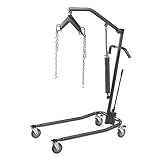 Drive Medical Hydraulic Patient Lift
A full lift is what makes one person able to manage a transfer alone. It is the single purchase that most often delays a move into residential care.
Check price on Amazon →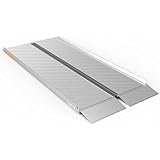 EZ-ACCESS Singlefold Wheelchair Ramp, 6 ft
Folds like a suitcase and carries in a car boot, so the same ramp handles the front step at home and the kerb at an appointment.
Check price on Amazon → Drive Medical Nitro Rollator with Seat
The seat matters more than the wheels. Being able to stop and rest is what decides whether someone still goes out at all.
Check price on Amazon → Vive Stand Assist Rail for Couch or Chair
Getting out of a low sofa is where most falls at home start. This is the cheapest thing on the list and often the first one needed.
Check price on Amazon →As an Amazon Associate we earn from qualifying purchases, at no extra cost to you. Researched guidance, not medical advice. Prices change, so check before buying.
Why Hoarding Increases With Age
Generational Factors
- Depression-era mentality: "Waste not, want not" deeply ingrained
- Different relationship with things: Items were precious when money was scarce
- Memories attached: Objects represent their history and identity
Life Transitions
- Loss of spouse: Can't part with their belongings
- Loss of role: Possessions represent who they used to be
- Shrinking world: As activities decrease, possessions become more important
- Fear of the future: "I might need this someday"
Health Issues
- Depression: Loss of motivation to deal with things
- Anxiety: Discarding triggers distress
- Dementia: Impaired decision-making, forgetting what they have
- Executive function decline: Can't organize or categorize effectively
- Physical limitations: Can't move things, take out trash, or clean
Assessing the Safety Risks
- Fire hazards: Blocked exits, combustibles near heat sources
- Fall risks: Narrow paths, unstable stacks
- Health hazards: Mold, pests, rotting food, animal waste
- Utility problems: Can't reach electrical panels, blocked HVAC
- Medical access: Emergency responders couldn't reach them or use equipment
- Structural concerns: Weight of items stressing floors
When to Intervene Immediately
- No clear path to exits
- Bathroom or kitchen unusable
- Pest infestation
- Rotting food or human/animal waste
- Risk of structural collapse
- No working utilities
- Parent can't access bed, toilet, or food
These situations may require intervention regardless of your parent's wishes, including contacting adult protective services.
What Doesn't Work
Forcing a Clean-Out
- Causes trauma and rage
- Damages your relationship
- Often leads to rapid re-accumulation
- Can trigger depression or even suicidal thoughts
Sneaking Things Out
- Destroys trust when discovered (and it usually is)
- Increases anxiety and vigilance
- They may acquire more to replace what's missing
Logical Arguments
- "You have 50 of these", doesn't matter to them
- "You'll never use this", they believe they will
- "This is worthless", it has value to them
To someone who hoards, possessions often provide psychological security. Forcing removal feels like an attack on their identity and safety. Even if you succeed in cleaning, you may cause significant psychological harm.
What Can Work
Start With Understanding
- Ask about the items, what do they mean?
- Listen without judgment
- Acknowledge that this is hard
- Express concern for their safety, not criticism
Focus on Function, Not Stuff
- "Can we clear a path so you don't fall?"
- "Let's make sure you can use your stove safely"
- "The bathroom needs to be accessible"
- Focus on specific, safety-critical goals
Small, Collaborative Steps
- Work together on one small area at a time
- Let them make decisions (with guidance)
- Celebrate any progress, even tiny amounts
- Don't expect perfection, "better" is the goal
Provide Alternatives
- Take photos of sentimental items before discarding
- Offer to donate to causes they care about
- "Would you like to give these to grandchildren?"
- Scanning old papers and photos
Get Professional Help
- Therapist specializing in hoarding: Cognitive behavioral therapy (CBT) can help
- Professional organizer (hoarding specialist): Trained to work with resistant individuals
- Geriatric care manager: Can assess situation and coordinate help
- Social worker: May have community resources
When Dementia Is Involved
Hoarding with dementia is different:
- May not remember what they have or that they bought more
- May hide things and forget where
- May mistake trash for valuables
- Can't be "reasoned with" in traditional sense
Approaches for Dementia
- Remove items gradually without announcing
- Redirect rather than confront
- Provide a "sorting box" to satisfy urge without accumulation
- Reduce access to acquiring more (limit shopping trips, remove credit cards)
- Accept that the home may not meet your standards
Managing Your Own Emotions
Living with or dealing with a hoarding parent is stressful:
- Shame: Embarrassed to have visitors, afraid of judgment
- Anger: "Why won't they just get rid of this stuff?"
- Fear: Worried about safety, fire, health
- Helplessness: Nothing seems to work
- Grief: Mourning the parent and home you remember
Unless there's an immediate safety crisis or legal intervention, you cannot force an adult to change. You can influence, support, and set boundaries, but ultimately it's their home. Accepting this can reduce your own stress, even if the situation doesn't change.
When Legal Intervention May Be Needed
In extreme cases where safety is severely compromised:
- Adult Protective Services: Can investigate unsafe living conditions
- Health department: Can cite violations that require remediation
- Guardianship: In severe cases with incapacity, legal authority to make decisions
- Code enforcement: Can require minimum safety standards
These should be last resorts, as they can be traumatic and damage relationships.
Preventing Things From Getting Worse
- Limit incoming items (reduce catalogs, unsubscribe from emails)
- Help with mail and bills before piles form
- Regular visits to monitor and address small problems early
- Provide alternatives to shopping (activities, outings)
- Address depression and isolation
Preparing for Major Transitions
When your parent needs to move (to assisted living, with family, etc.), the accumulated stuff becomes a crisis. Plan ahead:
- Start conversations early, don't wait until there's a health crisis
- Tour new living spaces so they can see what will fit
- Help them identify their most treasured items
- Consider hiring professionals for the clean-out
- Give yourself time, this isn't a weekend project
Resources
- International OCD Foundation: Hoarding resources and provider directory
- Children of Hoarders: Support for adult children
- NAPO (National Association of Productivity and Organizing Professionals): Find hoarding specialists
- Local Area Agency on Aging: May have resources for seniors
Support for Difficult Caregiving Situations
Our resources address the challenging emotional and practical aspects of caring for elderly parents.
Explore Our ResourcesRelated Guides
- When Your Parent Refuses to Bathe
- Depression in Elderly Parents
- Dementia Stages
- Home Safety Checklist
You may never get your parent's home to look the way you want. But you can work toward "safe enough" and "functional enough." Every small improvement matters. And sometimes the best you can do is maintain the relationship while keeping them as safe as possible.