You're Not Alone
Hygiene refusal is one of the most common problems caregivers face, yet it's rarely discussed openly. If your parent has stopped bathing regularly, refuses to change clothes, or resists basic personal care, know that this is a recognized challenge with real solutions.
Contrary to what many think, daily bathing isn't necessary for most elderly adults and can actually dry out fragile skin. Two to three times per week is often sufficient for full bathing, with sponge baths and hygiene care on other days. The goal is clean enough for health and dignity, not meeting arbitrary standards.
The equipment that changes the most
Most of what caregiving costs is time. These four are the purchases that reliably buy some of it back, and they are the ones families tell us they wish they had bought sooner.
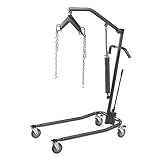 Drive Medical Hydraulic Patient Lift
A full lift is what makes one person able to manage a transfer alone. It is the single purchase that most often delays a move into residential care.
Check price on Amazon → EZ-ACCESS Singlefold Wheelchair Ramp, 6 ft
Folds like a suitcase and carries in a car boot, so the same ramp handles the front step at home and the kerb at an appointment.
Check price on Amazon → Drive Medical Nitro Rollator with Seat
The seat matters more than the wheels. Being able to stop and rest is what decides whether someone still goes out at all.
Check price on Amazon → Vive Stand Assist Rail for Couch or Chair
Getting out of a low sofa is where most falls at home start. This is the cheapest thing on the list and often the first one needed.
Check price on Amazon →As an Amazon Associate we earn from qualifying purchases, at no extra cost to you. Researched guidance, not medical advice. Prices change, so check before buying.
Understanding Why They Refuse
Refusal to bathe is almost never about stubbornness. Understanding the root cause helps you address it effectively:
Physical Reasons
- Fear of falling: Bathrooms are the most dangerous room. Wet surfaces, stepping over tubs, and standing on one leg are terrifying when balance is poor
- Cold sensitivity: Elderly people feel cold more intensely. Undressing and wet skin feel unbearable
- Pain: Arthritis makes movements painful. Raising arms, bending, and twisting hurt
- Fatigue: Bathing is exhausting when energy is limited
- Skin sensitivity: Water pressure or temperature may feel painful on fragile skin
Cognitive Reasons (Dementia)
- Doesn't recognize the need: May not remember when they last bathed or understand they need to
- Doesn't understand the process: Steps of bathing become confusing
- Fear of water: Water on face or body may feel threatening
- Misinterprets sensations: Water may feel like something harmful
- Paranoia: May believe you're trying to harm them
- Modesty/vulnerability: Being undressed feels threatening
Psychological Reasons
- Depression: Loss of interest in self-care is a classic depression symptom
- Loss of control: Refusing is one way to maintain autonomy
- Embarrassment: Shame about needing help with intimate care
- Privacy invasion: Bathing was private their whole lives
If your parent previously bathed without issue and suddenly refuses, look for an underlying cause: UTI (very common cause of behavior changes), new pain, depression, or fear from a fall or near-fall. Sudden changes warrant a doctor visit.
Strategies That Work
Make the Bathroom Safe and Comfortable
- Grab bars: Sturdy bars at tub entry, by toilet, and in shower
- Non-slip surfaces: Mats inside and outside tub/shower
- Shower chair or bench: Sitting is safer and less tiring
- Handheld showerhead: Control over water direction and pressure
- Warm the room: Space heater before bathing; warm towels
- Walk-in tub or roll-in shower: Eliminates the dangerous step-over
Adjust Your Approach
- Timing: Choose their best time of day (often late morning)
- Don't announce it: Instead of "time for a bath," try "let's get you cleaned up for your visitor" or just start the routine
- Use familiar language: Say what they've always said (tub, shower, bath, wash-up)
- Offer choices: "Bath or shower?" "Now or in 10 minutes?" gives some control
- Start small: Washing hands and face can lead to more
- Respect privacy: Can they wash private areas themselves? Let them
Bathing Alternatives
Full baths aren't always necessary:
- Sponge baths: Focus on "hot spots" (underarms, groin, under breasts, feet)
- No-rinse products: No-rinse body wash, shampoo caps, cleansing cloths
- Bed baths: For those who can't stand or transfer
- Basin and washcloth: Old-fashioned but effective
Products like no-rinse body wash, shampoo caps (just put on head and massage), and cleansing cloths can provide good hygiene without the full production of a shower. Available at pharmacies and medical supply stores.
For Dementia Patients
- Cover the body: Keep a towel or robe over them during bathing
- Simplify: One step at a time, guide them through
- Use distraction: Talk about memories, sing songs, focus on something pleasant
- Avoid water on face: Use a washcloth for face instead
- Consider who helps: Sometimes a same-gender aide works better
- Don't argue: If they say they just bathed, agree and try later
When Someone Else May Help
Sometimes your parent will accept help from someone who isn't you:
- Professional caregivers: It's "their job", less embarrassing
- Same-gender helper: Many elderly people are more comfortable this way
- A different family member: Dynamics vary
- Doctor's "prescription": "Doctor says you need to bathe twice a week" can help
Maintaining Other Hygiene
Between baths, focus on these areas:
Daily Care
- Wash hands regularly (especially before eating)
- Face washing
- Oral care (teeth or dentures)
- Apply deodorant
- Change underwear
As Needed
- Hair brushing and styling
- Nail care (carefully, fragile skin)
- Shaving or beard trimming
- Skin moisturizing
- Clean glasses and hearing aids
Addressing Specific Problems
They Wear the Same Clothes Every Day
- Buy duplicates of favorite items
- Swap dirty for clean versions overnight
- Lay out clothes the night before
- Reduce choices: only a few items in closet
Incontinence and Hygiene
- Change incontinence products at regular intervals
- Use barrier creams to protect skin
- Cleansing with each change
- Watch for skin breakdown
Strong Body Odor
- Identify the source (clothing? incontinence? infection? dental?)
- Focus on odor-causing areas with cleansing cloths daily
- Change underwear and socks daily
- Rule out medical causes (UTI, yeast infection, dental issues)
Your Emotions Matter Too
Hygiene refusal triggers strong emotions in caregivers:
- Frustration: "Why won't they just do this simple thing?"
- Embarrassment: What if someone notices the smell?
- Disgust: It's hard to clean someone who hasn't bathed in weeks
- Grief: This isn't the parent you knew
- Anger: Especially if they resist aggressively
Feeling frustrated or even disgusted doesn't make you a bad caregiver. These are normal human responses to a difficult situation. Acknowledge your feelings, but don't let them drive your approach. Step away when you need to. This is hard.
When to Involve Professionals
Consider getting help if:
- Skin problems are developing (infections, breakdown, rashes)
- Hygiene issues are causing social isolation
- Your relationship is suffering from constant battles
- They're becoming aggressive when you try to help
- You're dreading every interaction
Professional Resources
- Home health aides: Trained in bathing resistant patients
- Occupational therapists: Can assess bathroom safety and adaptive equipment
- Geriatric care managers: Help coordinate care and solutions
- Doctor: To rule out medical causes and address depression
What Not to Do
- Don't force or restrain: This causes trauma and resistance
- Don't shame: "You smell" makes things worse
- Don't make it a power struggle: You may "win" but lose their trust
- Don't surprise them: Unexpected undressing is frightening
- Don't give up: Reduced hygiene is okay; no hygiene causes health problems
Caregiving Support Resources
Our care coordination tools help you manage the many aspects of caring for an elderly parent.
Explore Our ResourcesRelated Resources
The goal isn't a daily shower, it's maintaining enough hygiene for health and dignity. Partial wins count: if they wash their face and change underwear, that's a success. Lower your standards if needed, focus on what matters most, and give yourself credit for trying.