Depression in Elderly Parents
How to recognize the signs that look different in seniors, and what actually helps.
"Dad just sits in his chair all day." "Mom won't eat anymore." "He complains about aches and pains but the doctors can't find anything wrong." These aren't just normal aging, they could be signs of depression.
Depression in the elderly is common, serious, and often overlooked. It's frequently dismissed as "just getting old" or mistaken for dementia. But depression is treatable at any age, and treating it can dramatically improve quality of life.
Sadness after loss is normal. Slowing down is normal. But persistent hopelessness, withdrawal from activities once enjoyed, and inability to feel pleasure are not inevitable parts of aging. They're symptoms of a treatable condition.
Why Depression Gets Missed in Seniors
Depression in older adults often looks different than in younger people:
- Seniors rarely say "I'm depressed": The generation that grew up in the 40s and 50s was taught to be stoic. Admitting to depression feels like weakness
- Physical complaints dominate: They complain about body aches, fatigue, and digestive problems, not sadness
- It mimics dementia: Memory problems and confusion can be depression, not cognitive decline
- It's attributed to circumstances: "Of course she's sad, she just lost her husband/can't drive/moved to a facility"
- Doctors focus on physical health: A 10-minute appointment barely covers blood pressure and medications
- It's gradual: Slow changes are easy to miss when you see someone every day
As an Amazon Associate, we earn from qualifying purchases.
Recommended Mental Health Support Resources
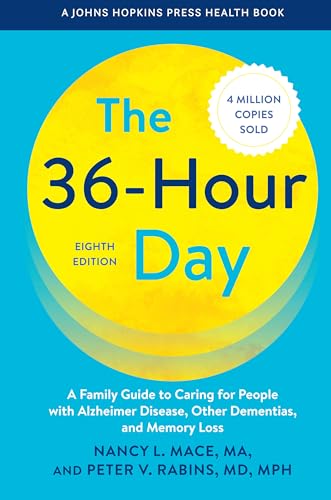 The 36-Hour Day Understanding emotional challenges in aging
 Light Therapy Lamp Helps with seasonal depression and mood
 Video Calling Tablet Stay connected with family and friends
 Music Therapy Player Boost mood with favorite songs
Signs of Depression in Elderly Parents
Look for these signs, especially if they persist for two weeks or more:
Withdrawal
No longer interested in activities they once enjoyed. Declining invitations, skipping church or clubs, avoiding family gatherings.
Changes in Sleep
Sleeping much more than usual, or unable to sleep. Waking very early and unable to get back to sleep.
Appetite Changes
Eating much less (or more) than usual. Significant weight loss without trying. No interest in favorite foods.
Unexplained Physical Complaints
Chronic pain, fatigue, headaches, digestive problems with no medical explanation. Multiple doctor visits without findings.
Hopelessness
"What's the point?" "I'm just waiting to die." "Things will never get better." Talk about being a burden.
Neglecting Self-Care
Not bathing, not taking medications, not eating, letting the house get dirty, when they used to be meticulous.
Irritability
Easily frustrated, snapping at people, less patient than before. Depression in seniors often shows as anger rather than sadness.
Cognitive Changes
Trouble concentrating, memory problems, difficulty making decisions. These often reverse when depression is treated.
Depression vs. Dementia
It can be hard to tell these apart, and they can coexist. Here's a rough guide:
| Sign | More Likely Depression | More Likely Dementia |
|---|---|---|
| Onset | Relatively sudden (weeks to months) | Gradual (months to years) |
| Mood | Consistently sad or flat | Mood may fluctuate; early stages often normal |
| Memory complaints | Patient is very aware of and upset by memory problems | Patient often unaware or minimizes problems |
| Effort on tests | "I don't know" or gives up quickly | Tries hard but gets wrong answers |
| Sleep | Early morning waking common | Day-night reversal more common |
| Time orientation | Usually knows date, time, place | Confusion about date, time, place |
Important: Many people have both. Depression is more common in people with dementia. If in doubt, get a proper evaluation, both are treatable.
What Causes Depression in Seniors
Loss and Grief
Death of spouse, friends, or siblings. Loss of independence, driving, or home. Loss of role and purpose after retirement.
Chronic Illness
Heart disease, stroke, cancer, Parkinson's, diabetes, chronic conditions dramatically increase depression risk.
Medications
Beta-blockers, steroids, some blood pressure medications, and many others can cause depression as a side effect.
Social Isolation
Living alone, inability to drive, mobility limitations, hearing loss, all reduce social contact and increase depression risk.
Brain Changes
Vascular changes in the brain (from high blood pressure, diabetes, or small strokes) can directly cause depression.
Previous History
History of depression earlier in life increases risk of depression in old age.
The Danger of Untreated Depression
Take It Seriously
Untreated depression in seniors leads to:
- Higher suicide risk: Men over 85 have the highest suicide rate of any demographic. Seniors are less likely to attempt but more likely to succeed
- Worse physical health: Depression weakens the immune system and worsens outcomes from heart disease, cancer, and other conditions
- Faster cognitive decline: Depression accelerates dementia progression
- Reduced independence: Depression makes it harder to manage daily tasks, leading to earlier placement in care facilities
- Shortened lifespan: Depression is associated with earlier death from all causes
Warning Signs of Suicide
Take these seriously and seek immediate help:
- Talking about wanting to die or being a burden
- Giving away possessions
- Saying goodbye to people
- Sudden calmness after a period of depression
- Stockpiling medications
- Researching methods
If you're concerned about immediate risk, call 988 (Suicide & Crisis Lifeline) or take them to an emergency room.
Getting Help: Treatment Works
Depression is one of the most treatable conditions in the elderly. Most people improve significantly with proper treatment.
First Step: Talk to Their Doctor
- Ask for depression screening at the next appointment
- Bring a list of symptoms and changes you've observed
- Mention any concerning statements they've made
- Review medications for those known to cause depression
- Rule out medical causes (thyroid, B12 deficiency, infections)
Many seniors resist the "depression" label. Try framing it as: "Let's tell the doctor about your fatigue/pain/sleep problems." Once evaluated, treatment can begin regardless of what it's called.
Treatment Options
Antidepressant Medication
SSRIs (like sertraline/Zoloft, citalopram/Celexa) are typically first-line. They take 4-6 weeks to work fully. Side effects are usually manageable. Often can be discontinued after 6-12 months of stability, though some need long-term treatment.
Psychotherapy (Talk Therapy)
Cognitive Behavioral Therapy (CBT) and Problem-Solving Therapy work well in older adults. Can be done in person, by phone, or video. Helps change negative thought patterns and develop coping strategies. Often combined with medication for best results.
Combination Treatment
Medication plus therapy together is more effective than either alone, especially for moderate to severe depression.
Electroconvulsive Therapy (ECT)
Despite outdated stigma, ECT is safe and highly effective for severe depression that doesn't respond to other treatments. It's often the safest option for very old or medically frail patients who can't tolerate medications.
What You Can Do to Help
Stay Connected
Regular visits, phone calls, or video chats. Social connection is one of the strongest protections against depression.
Encourage Activity
Gently encourage walks, outings, or activities, even when they resist. Physical activity has antidepressant effects.
Reduce Isolation
Help arrange transportation to activities. Consider adult day programs. Set up technology for video calls if in-person is hard.
Be Patient
They can't "snap out of it." Don't say "cheer up" or minimize their feelings. Listen without trying to fix everything.
Monitor Treatment
Help track medication adherence. Watch for side effects. Attend doctor appointments if possible. Treatment works, but it takes time.
Address Practical Problems
Help with concrete issues: bills, appointments, household tasks. Feeling overwhelmed by life logistics worsens depression.
What to Say (and Not Say)
- Say: "I'm worried about you. I've noticed you seem tired/sad/not yourself lately."
- Say: "You're not a burden to me. I want to help."
- Say: "Depression is a medical condition, like diabetes. There's treatment that helps."
- Say: "I'm here for you. You don't have to go through this alone."
- Don't say: "You have so much to be grateful for."
- Don't say: "Just think positive thoughts."
- Don't say: "Other people have it worse."
- Don't say: "You just need to get out more."
Special Situations
Depression After Moving to a Facility
Moving to assisted living or a nursing home is a major life change. Depression is common in the first months:
- Visit frequently in the early weeks
- Bring familiar objects from home
- Encourage participation in activities (even if they resist at first)
- Alert staff if you see signs of depression
- Request a mental health evaluation if symptoms persist past 4-6 weeks
Depression After a Stroke
Post-stroke depression affects 30-50% of stroke survivors. It's partly biological (brain changes) and partly situational (loss of function):
- Screen for depression at every follow-up
- Treatment improves both mood AND rehabilitation outcomes
- Don't assume sadness is "just a normal reaction"
Depression with Dementia
Depression and dementia often coexist and can worsen each other:
- Depression in early dementia is treatable and improves quality of life
- Antidepressants may be less effective in later stages of dementia
- Non-drug approaches (music, social engagement, structured routine) become more important
Depression is not a normal or inevitable part of aging. With proper treatment, most older adults with depression improve significantly. Better mood leads to better physical health, more independence, and better quality of life. It's worth pursuing treatment aggressively.
Track Symptoms and Treatment
Our Care Coordination Binder includes mood tracking, medication logs, and doctor visit templates to help you monitor depression treatment.
Get the Complete SystemRelated Guides
- Supporting an Elderly Parent Through Grief and Loss
- Signs Your Elderly Parent Needs Help
- Caregiver Burnout: Signs, Symptoms, and Solutions
- 7 Stages of Dementia: What to Expect
Products that help with mood & comfort
We independently research every recommendation. As an Amazon Associate we earn from qualifying purchases, at no extra cost to you. Disclosure.
- Weighted Blankets →Calming deep-pressure blankets for anxiety, sleep, and sundowning.