When Your Elderly Parent Lies: Understanding What's Really Happening
Your parent insists they've already taken their medication when they haven't. They claim they ate lunch when no food has been touched. They tell detailed stories about visitors who never came. It feels like lying, but in many cases, it's something very different.
People with dementia often "confabulate", their brain fills in memory gaps with fabricated information. They're not intentionally deceiving you. To them, these stories are true. Their brain has created false memories that feel completely real.
Confabulation vs. Lying
Confabulation
- Unintentional
- Person believes what they're saying
- Brain filling in memory gaps
- Not trying to deceive
- Common in dementia
- May be detailed and consistent
- Correcting doesn't help
Intentional Lying
- Deliberate
- Person knows it's not true
- Covering up, avoiding consequences
- Intention to deceive
- May be defensive when caught
- May change story when pressed
- Often tied to shame or fear
As an Amazon Associate, we earn from qualifying purchases.
Recommended Caregiving Resources
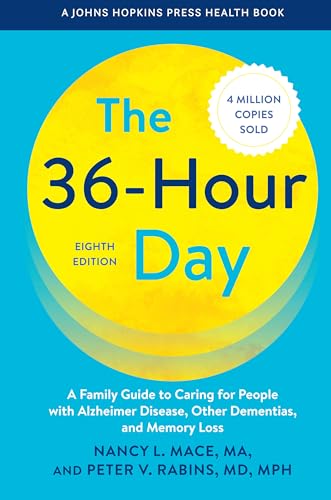 The 36-Hour Day Understanding cognitive changes and behaviors
 Day Clock for Seniors Reduce confusion about time and day
 Get It Together: Organize Your Records Document patterns and track behaviors
 Medical Alert System Safety monitoring for peace of mind
Why Elderly People Seem to Lie
Memory Loss (Confabulation)
When someone with dementia can't remember something, their brain doesn't just leave a blank, it creates a plausible story. "Did you eat lunch?" triggers a vague feeling of eating, so they say yes, even if they haven't.
Example: Mom insists Dad visited yesterday. Dad died five years ago. To her, this memory feels completely real.
Covering Up Deficits
Many elderly people, especially early in cognitive decline, know something is wrong but don't want others to know. They may lie to cover up memory lapses, confusion, or mistakes.
Example: "I already took my pills" when they forgot, because admitting they don't remember is scary and embarrassing.
Maintaining Independence
Fear of losing independence motivates many "lies." If admitting a problem means losing the car keys or being moved to a facility, denial is protective.
Example: "I'm fine!" when clearly struggling, because the alternative is terrifying loss of autonomy.
Avoiding Shame
Incontinence accidents, falls, financial mistakes, being scammed, these are deeply embarrassing. Denial or lying protects dignity.
Example: Denying a fall because admitting it feels humiliating and might lead to more restrictions.
Seeking Attention
Some elderly people exaggerate or fabricate stories to get attention, especially if they're lonely or feel ignored.
Example: Dramatic stories of symptoms or emergencies that bring children running.
Time Confusion
Dementia scrambles the sense of time. Events from 20 years ago feel like yesterday. "I already ate" might mean they remember eating last week.
Example: "I just talked to my sister" when the call was actually days ago.
How to Respond
When It's Confabulation (Dementia-Related)
- Don't argue or correct: It won't work and causes distress
- Don't quiz them: Testing their memory is frustrating and unhelpful
- Go along when harmless: If they say they had a visitor, engage: "That sounds nice. Tell me about it."
- Redirect when needed: Change the subject smoothly
- Use verification systems: Pill organizers, cameras, check-ins to know the truth without confrontation
- Accept that their reality is different: Fighting it hurts both of you
When It's Covering Up
- Reduce shame: "It happens to lots of people" or "I forget things too"
- Make truth-telling safe: Don't react with anger or punishment
- Focus on solutions, not blame: "Let's figure out a system that helps"
- Preserve dignity: Don't expose lies in front of others
- Address underlying fears: What are they afraid will happen if they tell the truth?
Ask yourself: Does it matter if this is true? If Mom says she had tea with Queen Elizabeth in 1962, does correcting her help anyone? Save your energy for issues that affect safety and health.
When Lying Is a Safety Issue
Some situations require you to know the truth:
- Medication: Did they take it or not?
- Falls: Are they falling and hiding it?
- Driving: Are there accidents or close calls?
- Money: Are they being scammed?
- Eating: Are they actually eating?
- Pain: Are they hiding symptoms?
Solutions That Don't Rely on Their Report
- Pill organizers with day/time compartments
- Automatic pill dispensers that record when accessed
- Cameras (if appropriate and with consent)
- Regular check-ins with neighbors
- Bank alerts for unusual transactions
- Medical alert systems that detect falls
- Weight checks at doctor visits (for eating concerns)
- Car tracking devices
Therapeutic Fibbing: When You "Lie"
Sometimes caregivers need to bend the truth for a person with dementia:
- "Where's Dad?" (Who died years ago), "He'll be home later" is kinder than making them relive grief
- "I want to go home" (When they're already home), "We'll go soon" rather than arguing
- "I need to go to work" (They're retired), "Today's a day off" instead of reminding them they can't work anymore
This is called "therapeutic fibbing" and is widely accepted in dementia care. The goal is reducing distress, not deceiving for your convenience.
Sudden onset of confusion, false beliefs, or making up stories in someone who was previously clear-headed could indicate delirium (often from UTI, infection, medication), stroke, or other medical emergency. Seek medical evaluation.
Emotional Impact on Caregivers
Being "lied to" by a parent is hard:
- It can feel like betrayal, even when you know it's the disease
- Constant uncertainty is exhausting
- You may feel like you can't trust anything they say
- It's frustrating when they deny problems you can see
Remember: If there's dementia involved, they're not choosing to lie to you. Their brain is malfunctioning. Try to separate the disease from the person you love.
Caregiver Support
Dealing with confabulation and denial is emotionally draining. You're not alone.
Check Your Burnout Level