Hearing Loss in Elderly Parents
Recognize the signs, communicate better, navigate hearing aids, and understand when hearing loss means something more.
"Mom, can you hear me?" You've been repeating yourself a lot lately. Your parent turns up the TV to deafening volumes, misses phone calls, or seems confused in conversations, but insists their hearing is fine. Sound familiar?
About one-third of people between 65-74 have hearing loss, and nearly half of those over 75. It's more than an inconvenience, untreated hearing loss is linked to isolation, depression, and cognitive decline. The good news: solutions exist, from communication strategies to today's dramatically improved hearing aids.
Studies show untreated hearing loss is associated with faster cognitive decline and increased dementia risk. The brain works harder to understand, leaving fewer resources for memory and thinking. Getting hearing loss addressed isn't vanity, it's health.
Signs Your Parent May Have Hearing Loss
Turning Up Volume
TV or radio at volumes uncomfortable for others. Can't hear the phone ring or doorbell.
Frequent "What?"
Asking people to repeat themselves constantly. Saying "Huh?" or "What did you say?"
Misunderstanding Conversations
Answering questions incorrectly or with unrelated responses. Missing jokes or key points.
Difficulty with Phone Calls
Struggling to understand phone conversations. Avoiding calls or keeping them brief.
Trouble in Groups
Can't follow conversations in restaurants, at family gatherings, or anywhere with background noise.
Withdrawal
Avoiding social situations, seeming distant or "not themselves." May appear confused or "out of it."
Complaining Others Mumble
Blaming everyone else for speaking unclearly rather than acknowledging hearing difficulty.
Reading Lips
Watching faces intently during conversation. Struggling when speaker looks away.
The equipment that changes the most
Most of what caregiving costs is time. These four are the purchases that reliably buy some of it back, and they are the ones families tell us they wish they had bought sooner.
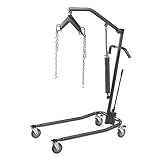 Drive Medical Hydraulic Patient Lift
A full lift is what makes one person able to manage a transfer alone. It is the single purchase that most often delays a move into residential care.
Check price on Amazon →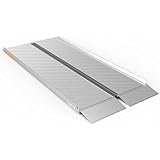 EZ-ACCESS Singlefold Wheelchair Ramp, 6 ft
Folds like a suitcase and carries in a car boot, so the same ramp handles the front step at home and the kerb at an appointment.
Check price on Amazon → Drive Medical Nitro Rollator with Seat
The seat matters more than the wheels. Being able to stop and rest is what decides whether someone still goes out at all.
Check price on Amazon → Vive Stand Assist Rail for Couch or Chair
Getting out of a low sofa is where most falls at home start. This is the cheapest thing on the list and often the first one needed.
Check price on Amazon →As an Amazon Associate we earn from qualifying purchases, at no extra cost to you. Researched guidance, not medical advice. Prices change, so check before buying.
Why Seniors Resist Getting Help
If your parent denies hearing loss or refuses hearing aids, they're not alone:
- Denial: Hearing loss is gradual; they've adapted without realizing it
- Vanity: Hearing aids feel like admitting "I'm old"
- Past experience: Older hearing aids were uncomfortable, whistled, and amplified all noise
- Cost concerns: Traditional hearing aids have been expensive
- Pessimism: "Nothing will help" or "I can hear fine when I need to"
Instead of "You need hearing aids," try: "I've noticed you're having trouble hearing me sometimes, and I want to make sure we can stay connected. Would you be willing to get a hearing test, just to see where things stand?"
Getting a Hearing Test
A hearing test (audiogram) is painless and usually takes 30-60 minutes:
- Audiologist: Doctoral-level hearing specialist. Can diagnose and recommend treatment. Check insurance coverage.
- ENT (otolaryngologist): Medical doctor who can rule out medical causes like ear infections, wax, or tumors
- Hearing aid dispenser: Can perform basic tests and fit hearing aids
- Free screenings: Many organizations offer free basic screenings
Medicare Part B covers diagnostic hearing exams if ordered by a physician, but does not cover hearing aids themselves.
Communication Strategies (Hearing Aids or Not)
Face Them
Always speak facing your parent. Never talk from another room. Visual cues help understanding.
Reduce Background Noise
Turn off TV/radio. Move away from noisy areas. Choose quieter restaurants.
Speak Clearly, Not Louder
Slow down and enunciate. Shouting distorts words. Lower pitch is easier to hear than higher.
Get Attention First
Say their name or touch their arm before speaking. Make sure they're ready to listen.
Rephrase, Don't Repeat
If they don't understand, say it differently rather than repeating the same words louder.
Good Lighting
Make sure your face is well-lit so they can read expressions and lips.
Hearing Aid Options in 2026
Today's hearing aids are dramatically different from the bulky, whistling devices of the past:
| Type | Description | Cost Range |
|---|---|---|
| Over-the-Counter (OTC) | Available without prescription since 2022. For mild-moderate hearing loss. Sold at pharmacies and online. | $200-$1,000/pair |
| Prescription (audiologist-fitted) | Custom-programmed for your specific hearing loss. Professional fitting and follow-up included. | $2,000-$7,000/pair |
| Rechargeable | No more tiny batteries. Charge overnight like a phone. Available in both OTC and prescription. | Varies by type |
| Bluetooth-enabled | Stream calls, TV, and music directly to hearing aids. Control via smartphone app. | Usually mid-high range |
| Invisible/In-canal | Fits entirely inside ear canal. Cosmetically appealing but not for severe loss. | Usually premium pricing |
Since 2022, adults with mild-moderate hearing loss can buy hearing aids over the counter without a prescription or fitting. Major brands include Sony, Jabra, and Lexie. This has made hearing help accessible to millions who couldn't afford traditional options.
Other Assistive Devices
TV Amplifiers/Listeners
Wireless headphones or speakers that amplify TV without disturbing others. No hearing aid needed.
$50-$300
Amplified Phones
Telephones with adjustable amplification, loud ringers, and sometimes captioned text.
$30-$200 (or free through state programs)
Personal Amplifiers (PSAPs)
Pocket-sized devices with headphones that amplify conversation. Good for occasional use.
$20-$200
Captioned Phones
Display written captions of what the caller says. Free through federal programs for qualifying individuals.
Free through CaptionCall, CapTel programs
Paying for Hearing Aids
- Medicare: Does NOT cover hearing aids (covers diagnostic exams only)
- Medicare Advantage: Many plans include hearing aid benefits, check your specific plan
- Medicaid: Coverage varies by state; many cover hearing aids
- VA Benefits: Veterans may receive hearing aids through the VA
- Private insurance: Some plans cover partially; check coverage
- Discount programs: Costco, Sam's Club offer lower-priced options with bundled services
- State programs: Some states offer assistance for low-income seniors
When Hearing Loss Might Mean Something Else
- Sudden hearing loss (emergency, see ENT or ER immediately)
- Hearing loss in only one ear
- Ringing in ears (tinnitus), especially if new or worsening
- Dizziness or balance problems with hearing loss
- Pain or drainage from ears
- Hearing loss accompanied by confusion or cognitive changes
These could indicate:
- Earwax impaction (easily treatable!)
- Ear infection
- Medication side effects (some drugs are "ototoxic")
- Acoustic neuroma (benign tumor on hearing nerve)
- Meniere's disease
- Stroke or other neurological issues
Helping Your Parent Adjust to Hearing Aids
Hearing aids require an adjustment period:
- Sounds may seem too loud or strange at first, this is normal
- Start wearing them just a few hours daily, gradually increasing
- Practice in quiet environments before noisy situations
- Return for adjustments, most audiologists include follow-up visits
- Be patient, full adjustment can take weeks to months
- Help with cleaning and battery changing if dexterity is an issue
When They Won't Wear Hearing Aids
If your parent has hearing aids but won't use them:
- Check if they fit properly (discomfort is a common reason)
- Make sure they know how to use them
- Ask about perceived problems, too loud? Annoying feedback?
- Accompany them to an adjustment appointment
- Try gentle encouragement, not nagging
- Focus on what they're missing, "I want to be able to talk with you"
Track Medical Appointments
Our Care Coordination Binder helps you keep track of doctor visits, hearing tests, and device maintenance schedules.
Get the Complete SystemRelated Guides
- Depression in Elderly Parents
- How to Communicate with a Parent Who Has Dementia
- Signs Your Elderly Parent Needs Help
- Macular Degeneration in Elderly Parents
Products that help with hearing loss
We independently research every recommendation. As an Amazon Associate we earn from qualifying purchases, at no extra cost to you. Disclosure.
- Hearing Aids & Amplifiers →OTC hearing aids and amplifiers that restore conversation.