Home Safety Modifications for Elderly Parents: Complete Room-by-Room Guide
Falls are the leading cause of injury among adults over 65, with one in four older Americans falling each year. The home, ironically, is where most of these falls occur. The good news is that many falls are preventable with thoughtful home modifications and safety improvements.
Whether your parent wants to age in place or you're preparing to have them move in with you, making the home safe is essential. This comprehensive guide provides room-by-room recommendations, prioritized by importance, with cost estimates to help you plan your safety upgrades.
If your parent has recently fallen, conduct a thorough home safety assessment immediately. Even falls that don't cause injury indicate that the home environment needs attention. Don't wait for a serious fall to make changes.
Understanding Fall Risk Factors
Before diving into modifications, understand what contributes to falls in the elderly:
Environmental Factors
- Poor lighting, especially at night
- Loose rugs and carpet edges
- Clutter in walkways
- Slippery floors (especially when wet)
- Stairs without handrails
- Lack of grab bars in bathroom
- Furniture that's too low or unstable
- Cords and wires across walkways
Personal Factors
- Vision problems
- Balance and gait issues
- Medication side effects
- Cognitive impairment
- Muscle weakness
- Foot problems or inappropriate footwear
- Chronic conditions like arthritis or Parkinson's
Effective fall prevention addresses both environmental hazards and personal risk factors. Home modifications alone won't prevent all falls, but they significantly reduce risk.
The equipment that changes the most
Most of what caregiving costs is time. These four are the purchases that reliably buy some of it back, and they are the ones families tell us they wish they had bought sooner.
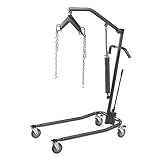 Drive Medical Hydraulic Patient Lift
A full lift is what makes one person able to manage a transfer alone. It is the single purchase that most often delays a move into residential care.
Check price on Amazon →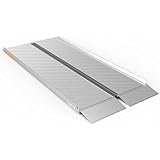 EZ-ACCESS Singlefold Wheelchair Ramp, 6 ft
Folds like a suitcase and carries in a car boot, so the same ramp handles the front step at home and the kerb at an appointment.
Check price on Amazon → Drive Medical Nitro Rollator with Seat
The seat matters more than the wheels. Being able to stop and rest is what decides whether someone still goes out at all.
Check price on Amazon → Vive Stand Assist Rail for Couch or Chair
Getting out of a low sofa is where most falls at home start. This is the cheapest thing on the list and often the first one needed.
Check price on Amazon →As an Amazon Associate we earn from qualifying purchases, at no extra cost to you. Researched guidance, not medical advice. Prices change, so check before buying.
General Home Safety Principles
These principles apply throughout the home:
The Five Essential Safety Principles
- Light it up: Every area should be well-lit, with switches accessible at both ends of hallways and stairs
- Clear the path: Remove anything that could be tripped over; create wide, clear pathways
- Provide support: Install grab bars and handrails wherever balance might be challenged
- Eliminate slips: Use non-slip surfaces and remove loose rugs
- Make it accessible: Place frequently used items within easy reach
Room-by-Room Safety Modifications
Bathroom (Highest Priority)
The bathroom is the most dangerous room in the home for elderly adults. Wet surfaces, hard fixtures, and the physical demands of toileting and bathing create multiple fall risks.
Essential Modifications (Do First)
- Grab bars by toilet: Install on wall beside toilet and on the wall behind (not on toilet paper holder)
- Grab bars in shower/tub: Install horizontal and vertical bars; never rely on towel bars or soap dishes
- Non-slip mat in tub/shower: Use adhesive strips or suction-cup mat
- Raised toilet seat: Reduces strain of sitting and standing; consider models with arms
- Night light: Automatic sensor lights for nighttime bathroom visits
Important Modifications
- Shower chair or transfer bench: Allows sitting while bathing
- Handheld showerhead: Easier to use while seated
- Walk-in shower or tub: Eliminates stepping over tub edge (major renovation)
- Non-slip bath mat outside tub: Secured to floor, not loose
- Lever-style faucet handles: Easier to operate than knobs
- Anti-scald device: Prevents burns from hot water
| Modification | DIY Cost | Professional Installation |
|---|---|---|
| Grab bars (per bar) | $20-50 | $100-200 |
| Raised toilet seat | $30-100 | N/A (no installation) |
| Shower chair | $30-150 | N/A |
| Walk-in tub | N/A | $2,000-10,000+ |
| Walk-in shower conversion | N/A | $3,000-8,000 |
Grab bars must be anchored into wall studs or use appropriate wall anchors rated for the weight. Standard towel bar mounts are NOT sufficient. If you're not confident in your installation skills, hire a professional. A poorly installed grab bar that fails can cause a worse fall than no bar at all.
Bedroom
Many falls happen at night when elderly adults get up to use the bathroom. The bedroom should support safe nighttime navigation.
Essential Modifications
- Clear path to bathroom: Remove all obstacles between bed and bathroom
- Night lights: Motion-activated lights along path to bathroom
- Light switch accessibility: Install switch near bed or use touch/remote lamps
- Appropriate bed height: Knees should bend at 90 degrees when sitting on edge; use bed risers or lower bed as needed
- Phone within reach: Cell phone or landline accessible from bed
Important Modifications
- Bed rail or assist bar: Helps with getting in and out of bed
- Bedside commode: For those who have difficulty reaching bathroom at night
- Non-slip rug by bed: Secured to floor, or remove rugs entirely
- Closet organization: Move frequently used items to accessible heights
- Medical alert device: Wearable button to call for help if fall occurs
Stairs and Hallways
Stairs are responsible for a significant portion of home falls. Even a few steps require attention.
Essential Modifications
- Handrails on both sides: Secure, continuous rails that extend beyond top and bottom steps
- Non-slip stair treads: Apply to all steps, especially if stairs are smooth wood or tile
- Adequate lighting: Light at top and bottom; consider motion-activated lights
- Light switches at both ends: Never have to navigate stairs in the dark
- Remove loose carpeting: Secure any loose edges or consider removing carpet
Important Modifications
- Contrasting edge strips: Help visually impaired see where steps end
- Stair gates: For those with dementia who might wander
- Stair lift: For those who cannot safely use stairs (major investment)
- First-floor living setup: Move bedroom and essential living to one floor if possible
Falls on stairs often result in serious injury. If your parent has difficulty with stairs, consider whether they can safely continue using them. Sometimes the best modification is eliminating the need to use stairs at all by setting up first-floor living arrangements.
Kitchen
The kitchen presents multiple hazards: reaching, bending, slippery floors, and fire risks.
Essential Modifications
- Non-slip flooring: Use rugs with non-skid backing or remove rugs entirely
- Reorganize storage: Move frequently used items to waist-to-shoulder height
- Step stool with handrail: If reaching is necessary, use a safe step stool
- Fire extinguisher: Mounted and accessible, with your parent trained to use it
- Smoke detector: Test monthly; consider stove-area specific detector
Important Modifications
- Lever-style faucets: Easier to operate than knobs
- Automatic stove shut-off: Prevents fires if stove is left on
- Easy-grip utensils: Larger handles for those with arthritis
- Contrast colors: Use cutting boards and dishes that contrast with counters
- Seated work area: Counter space where your parent can sit to prepare food
Living Areas
Living rooms and family rooms should support comfortable, safe movement and sitting.
Essential Modifications
- Remove or secure rugs: Use non-slip backing or tape; consider removing entirely
- Clear pathways: Rearrange furniture to create wide, clear walking paths
- Eliminate cords: Tape down or reroute electrical cords away from walkways
- Adequate lighting: Well-lit areas, especially around seating
- Stable furniture: Remove or secure anything wobbly that might be used for support
Important Modifications
- Chair height: Ensure chairs and sofas are easy to get up from (not too low or soft)
- Lift chair: Powered recliner that helps with standing
- Remote controls: Consolidated remotes or voice-activated controls
- Phone accessibility: Cordless phone or cell phone within reach
Entryways and Exterior
The transition between outdoors and indoors presents unique challenges.
Essential Modifications
- Handrails on all steps: Exterior stairs need sturdy, weather-resistant rails
- Non-slip surfaces: Apply non-slip coating to concrete steps; use non-slip mats
- Exterior lighting: Motion-activated lights at all entrances
- Clear walkways: Remove debris, repair cracks in sidewalks
- Doorway thresholds: Eliminate or reduce height of door thresholds
Important Modifications
- Ramp: For wheelchair access or difficulty with steps
- Lever door handles: Easier than round knobs
- Covered entry: Protection from rain and ice
- Bench or chair: Place to sit while putting on shoes
- Smart doorbell: See who's at the door without getting up
Technology and Monitoring Solutions
Modern technology offers additional safety layers:
Medical Alert Systems
Wearable devices (pendant or wristband) that allow your parent to call for help with the push of a button. Some include fall detection that automatically calls for help. Monthly costs typically range from $20-50.
Smart Home Devices
- Voice-activated assistants: Can call for help, control lights, set reminders
- Smart lighting: Motion-activated, voice-controlled, or scheduled lighting
- Video doorbells: See visitors without going to the door
- Smart locks: Keyless entry, remote access for caregivers
- Medication dispensers: Automated dispensing with reminders
Monitoring Systems
- Motion sensors: Alert you to unusual patterns (no movement during normal waking hours)
- Door/window sensors: Know when doors open (important for wandering)
- Camera systems: Remote check-ins (with privacy considerations)
- Stove monitors: Alert to stove being left on
Funding Home Modifications
Home modifications can be expensive, but several resources can help:
- Medicare: Does not cover home modifications, but covers some durable medical equipment
- Medicaid: Some state programs cover home modifications through waiver programs
- Veterans Benefits: VA offers grants for home modifications for eligible veterans
- USDA Rural Development: Loans and grants for rural homeowners
- HUD programs: Various programs for home accessibility modifications
- State and local programs: Many areas have aging-in-place grant programs
- Nonprofit organizations: Groups like Rebuilding Together provide free modifications
- Tax deductions: Medical expense deduction may apply to some modifications
Working with Professionals
Consider involving professionals in your safety assessment:
- Occupational therapist: Can conduct a professional home safety evaluation tailored to your parent's specific needs and abilities
- Certified Aging-in-Place Specialist (CAPS): Contractors trained in home modifications for seniors
- Geriatric care manager: Can coordinate assessments and connect you with resources
- Physical therapist: Can assess mobility and recommend appropriate equipment