Normal Aging vs Dementia: How to Tell the Difference
Everyone forgets things sometimes. But when does forgetfulness cross the line from normal aging to something more serious? This guide helps you understand the difference.
The most important distinction: Normal aging affects the speed of memory, while dementia affects the ability to form and retrieve memories. A normal older person might take longer to remember something; a person with dementia may never retrieve it at all.
Side-by-Side Comparison
| Situation | Normal Aging | Possible Dementia |
|---|---|---|
| Forgetting names | Occasionally forgets names but remembers them later | Frequently forgets names, including close family; may not recall them even with reminders |
| Misplacing items | Misplaces keys or glasses occasionally; can retrace steps to find them | Puts things in unusual places (keys in freezer); can't retrace steps; may accuse others of stealing |
| Appointments | Sometimes forgets appointments but remembers later | Forgets appointments entirely; may forget them even after reminders |
| Finding words | Occasionally has trouble finding the right word | Frequently struggles with vocabulary; may substitute wrong words or stop mid-sentence |
| Following conversations | May need things repeated in noisy environments | Loses track of conversations; repeats questions; can't follow along |
| Daily tasks | Occasionally makes errors balancing checkbook | Trouble with familiar tasks: using appliances, managing medications, cooking recipes they've made for years |
| Getting lost | Momentarily forgets where going when distracted | Gets lost in familiar places; can't find way home from nearby locations |
| Judgment | Makes occasional bad decision | Pattern of poor judgment: giving money to scammers, neglecting hygiene, unsafe driving |
| Social situations | Sometimes bored with obligations | Withdraws from hobbies, social activities, work projects they used to enjoy |
| Mood changes | May get irritable when routine disrupted | Rapid mood swings; personality changes; depression, anxiety, or fearfulness |
The equipment that changes the most
Most of what caregiving costs is time. These four are the purchases that reliably buy some of it back, and they are the ones families tell us they wish they had bought sooner.
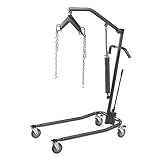 Drive Medical Hydraulic Patient Lift
A full lift is what makes one person able to manage a transfer alone. It is the single purchase that most often delays a move into residential care.
Check price on Amazon →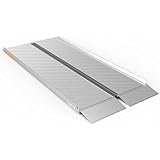 EZ-ACCESS Singlefold Wheelchair Ramp, 6 ft
Folds like a suitcase and carries in a car boot, so the same ramp handles the front step at home and the kerb at an appointment.
Check price on Amazon → Drive Medical Nitro Rollator with Seat
The seat matters more than the wheels. Being able to stop and rest is what decides whether someone still goes out at all.
Check price on Amazon → Vive Stand Assist Rail for Couch or Chair
Getting out of a low sofa is where most falls at home start. This is the cheapest thing on the list and often the first one needed.
Check price on Amazon →As an Amazon Associate we earn from qualifying purchases, at no extra cost to you. Researched guidance, not medical advice. Prices change, so check before buying.
What's Normal in Aging
These changes are common with normal aging and are NOT signs of dementia:
- Taking longer to learn new things - Processing speed slows naturally
- Tip-of-the-tongue moments - Knowing a word but can't retrieve it immediately
- Occasional forgetfulness - Especially when multitasking or distracted
- Needing reminders - Using lists, calendars, and notes more
- Taking longer to recall information - Eventually remembering
- Occasionally losing train of thought - Especially when interrupted
- Sometimes forgetting which word to use - Usually finds it eventually
With normal aging, the information usually comes back eventually. "It'll come to me" actually does come. With dementia, the information is often gone entirely, or only returns with significant prompting.
Warning Signs That Need Evaluation
See a Doctor If You Notice:
- Memory problems that disrupt daily life
- Difficulty completing familiar tasks
- Confusion about time or place
- Trouble understanding visual or spatial information
- New problems with speaking or writing
- Misplacing things and being unable to retrace steps
- Decreased or poor judgment
- Withdrawal from work or social activities
- Changes in mood or personality
- Repeating questions or stories in the same conversation
Treatable Causes of Memory Problems
Not all cognitive decline is dementia. Many conditions cause dementia-like symptoms but are treatable:
- Medication side effects - Many drugs affect memory (sleep aids, antihistamines, anxiety meds)
- Depression - Can cause memory problems and confusion, especially in elderly
- Thyroid problems - Both underactive and overactive thyroid affect cognition
- Vitamin deficiencies - B12 deficiency is common and treatable
- Urinary tract infections - Often cause sudden confusion in elderly
- Dehydration - Common and affects mental function
- Sleep apnea - Poor sleep significantly impacts memory
- Normal pressure hydrocephalus - Fluid on brain; treatable
- Alcohol overuse - Can cause reversible cognitive impairment
Don't assume memory problems are "just dementia" or "just old age." A proper evaluation can identify treatable causes. Even if it is dementia, early diagnosis allows for planning, treatment that may slow progression, and time to make decisions while the person can still participate.
What a Memory Evaluation Includes
If you're concerned, the doctor may do:
- Medical history review - Medications, health conditions, family history
- Physical exam - Looking for underlying conditions
- Cognitive testing - Memory, problem-solving, attention, language
- Blood tests - Thyroid, B12, blood sugar, kidney and liver function
- Brain imaging - CT or MRI to look for strokes, tumors, shrinkage
- Depression screening - Depression can mimic dementia
Ask for a referral to a neurologist or geriatrician if your parent's primary care doctor doesn't take concerns seriously or for a more thorough evaluation.
Mild Cognitive Impairment (MCI)
Between normal aging and dementia is a category called Mild Cognitive Impairment:
- Memory problems beyond what's expected for age
- Still able to do daily activities independently
- May or may not progress to dementia
- About 10-15% of people with MCI develop dementia each year
- Some people with MCI remain stable or even improve
MCI is worth monitoring because it can be an early warning sign, and lifestyle interventions may help.
Protecting Brain Health
Whether changes are normal aging or early decline, these help protect brain function:
- Physical exercise - Most protective factor; increases blood flow to brain
- Social engagement - Regular social interaction protects cognition
- Mental stimulation - Learning new things, puzzles, reading
- Good sleep - Brain clears toxins during sleep
- Heart health - What's good for the heart is good for the brain
- Manage diabetes and blood pressure - Both affect brain health
- Hearing aids if needed - Untreated hearing loss increases dementia risk
If you're worried enough to read this article, it's worth a doctor's evaluation. Best case: peace of mind and ruling out treatable causes. Worst case: early diagnosis and time to plan. Either way, you'll know.
Track Changes Over Time
Our Care Coordination Binder helps you document concerns to share with doctors.
View Resources