Only Child Caring for Aging Parents: A Survival Guide
When you're an only child, there's no one to share the responsibility with, no one to divide the tasks, no one who truly understands what it's like. All decisions, all emergencies, all care, it's all you. Here's how to survive and even thrive as a solo caregiver.
While having no siblings is lonely, it also means no sibling conflict, no fights over decisions, no resentment about who does more, no family drama. Every choice is yours to make. That's both terrifying and liberating.
The Unique Challenges
- No backup: You can't call in a sibling when you're sick, overwhelmed, or just need a break
- All decisions: Every choice falls on your shoulders alone
- Financial burden: No siblings to share costs of care
- Emotional isolation: No one who shares your history and loves your parent the same way
- No one to share the grief: When they're gone, no sibling to mourn with
- Guilt amplified: No one else to be "the bad guy"
- Future fear: Who will care for YOU when you're old?
The equipment that changes the most
Most of what caregiving costs is time. These four are the purchases that reliably buy some of it back, and they are the ones families tell us they wish they had bought sooner.
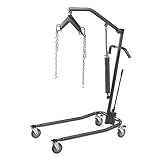 Drive Medical Hydraulic Patient Lift
A full lift is what makes one person able to manage a transfer alone. It is the single purchase that most often delays a move into residential care.
Check price on Amazon → EZ-ACCESS Singlefold Wheelchair Ramp, 6 ft
Folds like a suitcase and carries in a car boot, so the same ramp handles the front step at home and the kerb at an appointment.
Check price on Amazon → Drive Medical Nitro Rollator with Seat
The seat matters more than the wheels. Being able to stop and rest is what decides whether someone still goes out at all.
Check price on Amazon → Vive Stand Assist Rail for Couch or Chair
Getting out of a low sofa is where most falls at home start. This is the cheapest thing on the list and often the first one needed.
Check price on Amazon →As an Amazon Associate we earn from qualifying purchases, at no extra cost to you. Researched guidance, not medical advice. Prices change, so check before buying.
Building Your Team
You may be the only child, but you don't have to do this alone. Build a care team:
Paid Help
- Home health aides: Even a few hours a week helps
- Geriatric care manager: Professional to coordinate care, attend appointments, advise on decisions
- Housekeeping/meal delivery: Reduces your task load
- Transportation services: So you don't have to be the only driver
Community Support
- Neighbors: Ask them to check in, report concerns
- Faith community: Many churches/synagogues have visitor programs
- Senior center: Activities, social connection, sometimes meals
- Area Agency on Aging: Free services you may not know about
Extended Family
- Aunts, uncles, cousins: May be willing to help if asked specifically
- Your parent's friends: Don't underestimate peer support
- Your spouse/partner: Lean on them, but set boundaries so it doesn't strain the relationship
- Your children: Age-appropriate involvement can help everyone
Professional Team
- Primary care doctor: Who knows your parent well
- Elder law attorney: For legal and financial planning
- Financial advisor: Especially for complex asset management
- Therapist/counselor: For YOU, caregiver mental health matters
Making Decisions Alone
Some strategies when there's no one to consult:
For Big Decisions
- Write it out: Pros and cons on paper help clarify thinking
- Get professional input: Ask doctors, lawyers, care managers for their perspective
- Talk it through: With a trusted friend, even if they don't know the situation well
- Consider what your parent would want: Based on their values and past wishes
- Accept "good enough": There's rarely a perfect choice
- Give yourself permission to change course: Decisions aren't always permanent
Avoid Decision Fatigue
- Make important decisions when you're rested
- Don't decide in a crisis if you can wait
- Delegate smaller decisions to others when possible
- Use systems and routines to reduce daily decisions
Keep a record of major decisions and why you made them. If you're ever questioned by extended family or need to look back, you'll have your reasoning documented. This also protects you if there are any legal concerns.
Long-Distance Only Child
When you live far from your parent:
- Hire a geriatric care manager: Your eyes and ears locally
- Build local contacts: Neighbors, church members, building manager
- Use technology: Video calls, cameras (with consent), medical alert systems
- Maximize visits: Handle medical appointments, paperwork during trips
- Consider relocation: Moving them closer to you or you to them
- Have emergency plans: Who do you call if you can't get there?
Financial Strategies
With no one to share costs:
- Use their resources first: Social Security, pension, savings are for their care
- Explore benefits: VA, Medicaid, state programs, many have no idea what's available
- Consider a caregiver agreement: Pay yourself for care using their funds (legally documented)
- Tax deductions: If you claim them as dependent, medical expenses may be deductible
- Don't sacrifice your retirement: You can't pour from an empty cup, protect your future
Don't drain your own savings or retirement to pay for parent care. If their money runs out, Medicaid exists. If you bankrupt yourself, there's no program to save you. Be generous but smart.
Protecting Your Mental Health
- Support groups: Online or in-person, connect with other caregivers
- Therapy: A professional to process the stress, grief, and complicated feelings
- Set boundaries: You're allowed to have a life outside caregiving
- Take respite: Scheduled breaks, even if you have to pay for coverage
- Maintain relationships: Don't let caregiving consume everything
- Physical health: Exercise, sleep, medical care for yourself
When You Can't Do It Anymore
There may come a point when home care isn't possible:
- Your health is suffering
- Care needs exceed what one person can provide
- Safety is at risk (theirs or yours)
- Your career, marriage, or children are suffering significantly
Facility placement is not failure. It's ensuring they get the care they need. You can still be their advocate and loving child from a different role.
Planning Ahead
As an only child, planning is essential:
- Legal documents: Power of attorney, healthcare proxy, will
- Know their wishes: For care, for end of life, for final arrangements
- Organize finances: Know all accounts, income, expenses, insurance
- Prepare for emergencies: What happens if YOU are incapacitated?
- Have the hard conversations: While they can still participate
Being an only child caregiver is hard, but you ARE enough. You don't need to be perfect. You don't need to do everything. You need to be present, make good-enough decisions, and take care of yourself so you can keep going.